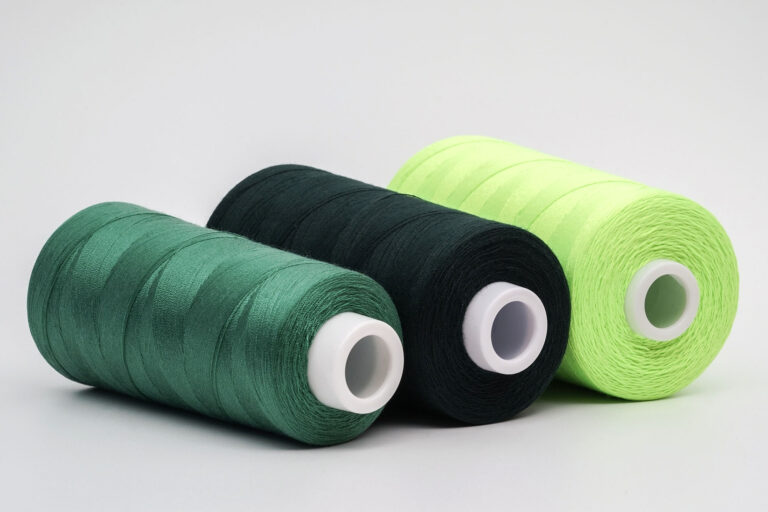
With hundreds of units springing up in the country, Bangladesh has emerged a major hub for sewing thread manufacturers in recent years. These units enable Bangladesh to attain self-sufficiency in the major garment accessory, says a Daily Star report. They also enable apparel manufacturers to reduce dependence on imported raw materials, and maintain strict lead time.
Around 10 years ago, Bangladesh imported sewing thread used to stitch garments. However, now the country not only meets local demand but also exports it. Around 20 local and multinational sewing thread mills in Bangladesh produce more than 100 tons of sewing thread a day.
Attracts investments worth Tk 100 crore
Though it contributes less than 1 per cent to the total garment export of $36 billion, sewing thread is vital to manufacture a finished garment item. In the past decade, the accessory attracted investments worth Tk 100 crore in Bangladesh
Kalurghat-based Sanzi Textile Mills invested Tk 100 crore in sewing thread manufacturing in 1995. Today, the company produces 30 tons of thread per day for domestic and international markets, says Syed Nurul Islam, Chairman, Well Group, Owner, Sanzi Textile Mills. It plans to launch another factory to produce leather sewing thread in Bangladesh. The company currently owns 30 per cent share in the sewing thread segment and rakes in $20 million annually. It also ships more than $6 million worth of the accessory a year. Achieving self-sufficiency in sewing thread manufacturing
Earlier dependent on China and Hong Kong for sewing threads, local manufacturers now supply 95 per cent of the accessory. The rest is imported owing to special requirements from international retailers and brands. DBL Group, a garment exporter, produces 10 tons of sewing thread a day at its Kashimpur factory in Gazipur. Of this, the group consumes 20 per cent while the remaining 80 per cent is sold to other garment manufacturers, says MA Jabbar, Managing Director. DBL Group plans to set up a sewing thread unit in Vietnam within two to three years. The company produces sewing thread of international quality, adds Jabbar.
Synthetic threads’ output remains low
Although Bangladesh has become self-reliant in sewing thread, it still imports associated raw materials, says Abdul Kader Khan, Managing Director, Khan Accessories and Packaging. The country has nearly 200 sewing thread manufacturers supplying to export-oriented garment factories. But, only a few of these cater to the needs of the market, adds Abul Quasem Haider, President, Bangladesh Sewing Thread Manufacturers and Exporters Association.
Local manufacturers cater to around 90 per cent of the demand for cotton-made sewing threads. However, these manufacturers cater to only 70 per cent of the demand for synthetic-made threads. The rest 30 per cent are imported, mainly from China. Over all, Bangladesh has over 100 small and medium-sized mills in the local sewing thread market.