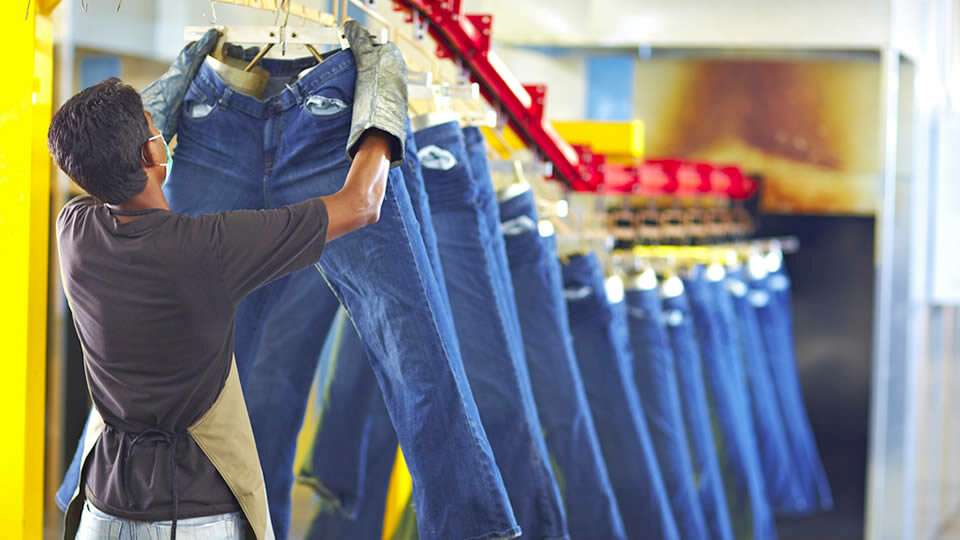
Bangladesh’s leather and leather products exports increased by 1.32 per cent in July to August of the current financial year. Exports of leather and leather goods from Bangladesh rebounded after more than two years due to higher shipments to non-traditional markets. Traditional markets are South Korea, China, European Union, US and Canada. Non-traditional ones are South Africa, India, Australia, Spain, Japan and Singapore. Moreover, the value addition to leather products was another reason behind the positive export trend. Work orders are expected to further increase after a certification is attained from the global rights body Labor Working Group. The LWG certification is awarded to companies based on points awarded for factors such as treatment and less use of water, solid waste management, chemical use and labor welfare.
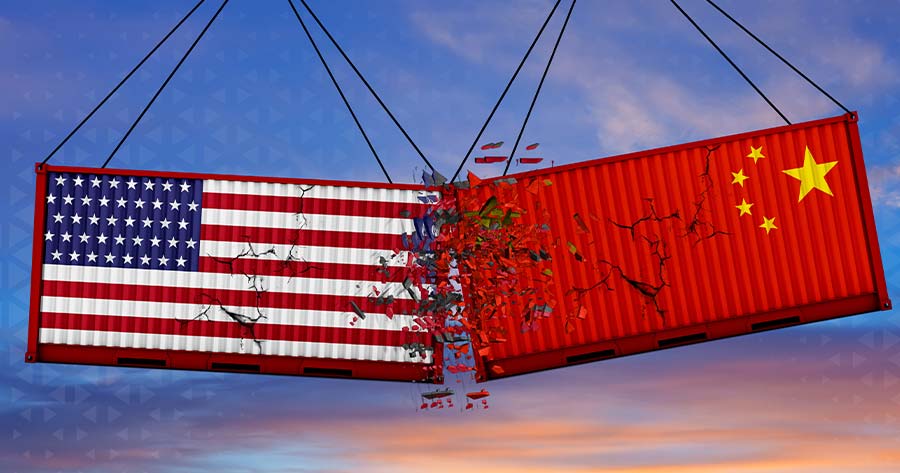
The leather industry in Bangladesh has been struggling due to lack of new investment, lack of product variety, artificial leather penetration, and price hike of leather products. The US-China trade war is also blamed for the slump. China used to import raw hide and process it further to make raw material. Since the US imposed a 25 per cent tariff on a Chinese products entering the US market, including leather, China has stopped taking raw hide from Bangladesh.
- 1
- 2
- 3
- 4
- 5
- 6
- 7
- 8
- 9
- 10
India’s National Fibre Scheme decouples textiles from global supply risks
For decades the Indian dominated spinning, weaving, and garment exports while remaining paradoxically dependent on imported man-made fibres and specialty... Read more
From London to Tokyo, premiumization redefines retail and office markets
Global real estate landscape has changed. Gone are the cautious narratives of recovery that defined the post-pandemic years. Today, flight... Read more
Compliance drives India’s $176 bn textile shift
India’s textile economy is no longer selling fabric alone; it is selling proof. As compliance rules harden across export markets,... Read more
The second life economy gets a boost as resale outgrows traditional apparel reta…
For decades, resale existed in the margins of the apparel economy, thrift stores, peer-to-peer marketplaces, and charity bins quietly absorbing... Read more
Rising polyester costs shake India’s textile manufacturing hubs
India’s synthetic textile industry is confronting a sudden and destabilizing price shock that is reverberating across its vast manufacturing ecosystem.... Read more
Cotton markets hold firm as tariffs, higher supply reshape global fiber economic…
In a year marked by tariff escalations, geopolitical brinkmanship and a recalibration of global trade flows, the international cotton market... Read more
Beyond Cotton How Kapok could redefine sustainable insulation in textiles
In the lush, humid heart of Southeast Asian rainforests stands a giant, a silent sentinel of the forest canopy. Growing... Read more
Bharat Tex 2026: Redefining the global textile value chain
Union Minister of Textiles, Giriraj Singh, has officially unveiled Bharat Tex 2026, signaling a significant leap in India’s influence over... Read more
Intertextile Shanghai Spring 2026: A hub for global textile innovation
The textile industry’s pulse is quickening as Intertextile Shanghai Apparel Fabrics – Spring Edition prepares to open its doors from... Read more
Moscow Fashion Week 2026: Blending sustainable innovation with timeless glamour
Scheduled to run from March 14-19, 2026 in Moscow, Russia, the Moscow Fashion Week (MFW) is cementing its status as... Read more