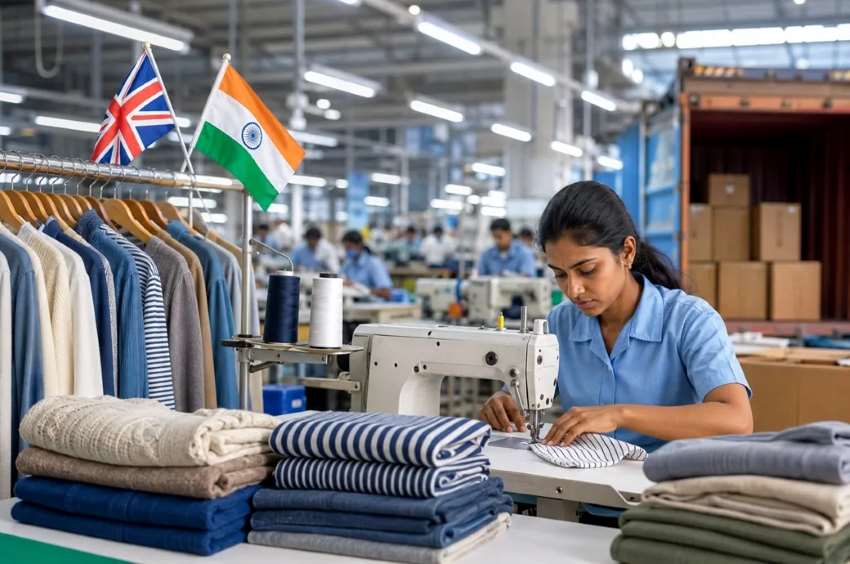
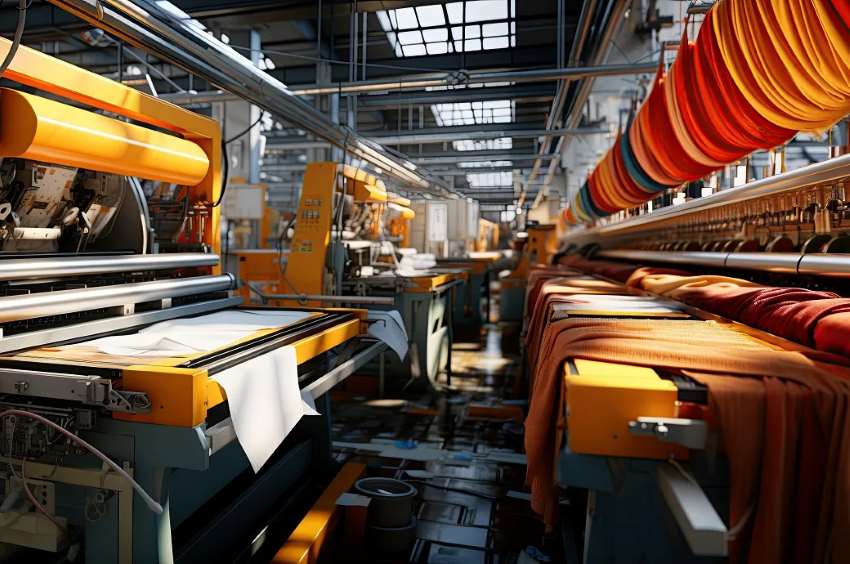
Bangladesh’s readymade garment factories are getting environment-friendly. The aim is to create a brand image, improve productivity, reduce health and safety hazards at the workplace and the cost of doing business. The objective of the readymade garment sector is to achieve internationally recognised standards of working conditions in garment factories.
Since Canada is one of the global leaders in green industries, Bangladesh may use the Canadian experience to transform its enterprises. CSR activities make a company innovative and competitive. Slips and trips, falls from heights, back pain, muscular skeletal disorders, occupational asthma, hearing loss, fire, stress and fatigue are the main symptoms of ill-health and accidents at work.
Eco-friendly units help reduce the cost of doing business as they use energy-efficient machinery, consume less electricity and water and increase productivity. Buyers also prefer an environment-friendly factory while placing orders as, among others, it offers comfortable working conditions for workers.
Since the industry in Bangladesh has a vision of touching $50 billion in exports by 2021, a green approach can help the industry achieve the target. Bangladesh has made significant progress in the readymade garment sector over the past two years and major reforms have been undertaken to improve safety, security and labor rights.
- 1
- 2
- 3
- 4
- 5
- 6
- 7
- 8
- 9
- 10
Industrial automation and AI take center stage at Garment Technology Expo (GTE) …
The conclusion of the 39th Garment Technology Expo (GTE 2026) in Greater Noida has signalled a decisive shift in South... Read more
The End of Geographic Masking: Shein and peers reclaim Made in China as a strate…
The era of the corporate ghost is ending. For years, the world’s most aggressive retail disruptors operated under ambiguity, relocating... Read more
$120 Crude, Zero Margin: How India’s textile hubs are paying the price
For India’s textile clusters, the current West Asia crisis is no longer a distant geopolitical headline. In Surat’s polyester corridors... Read more
Luxury under pressure as stagflation and geopolitics redefine the winners’ circl…
The 2025 earnings for Europe’s listed luxury majors have delivered a verdict that has far more implications than the prevailing... Read more
Luxury resale goes global, sneakers, handbags, archival fashion redrawing border…
The luxury resale market in 2026 is no longer a monolithic global block. According to the RB Insights January 2026... Read more
China out but can India deliver? The realities of the global sourcing shift
With the US imposing a flat 15 per cent tariff on Chinese imports under Section 122 as of February 2026,... Read more
Luxury in Retreat: Why the aspirational consumer is gone for good
The global luxury industry is confronting an unprecedented situation. The active consumer base, which peaked at 400 million in 2022,... Read more
The Invisible Bleed: How a single chemical is slowing India’s apparel machine
The global fashion industry has spent the better part of the past two years obsessing over visible disruptions viz. volatile... Read more
The Closet Paradox: How ‘nothing to wear’ is driving global overconsumption
In an era of overflowing wardrobes and instant fashion gratification, a striking paradox has emerged: the more clothes we own,... Read more
US trade rulings and labor slowdown reshape 2026 cotton supply chains
The global cotton industry is entering a period of adjustment, shaped by legal rulings, trade policy recalibrations, and a softening... Read more