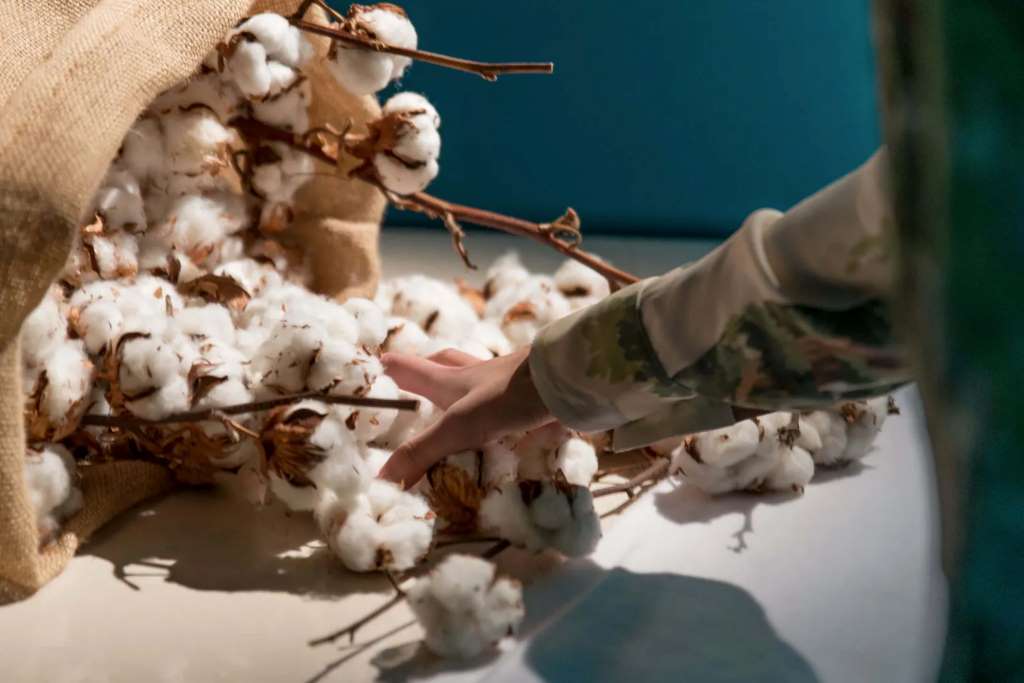
Better Cotton Initiative (BCI) and brand members are committed to supporting a more sustainable future for cotton production. The global not-for-profit is the largest cotton sustainability program in the world, which last year provided training on more sustainable agricultural practices to 1.6 million farmers from 23 countries.
More than 350 brands are now committed to supporting cotton farmers through the initiative. Among these are Takko Holding, Coolinvestments Group, Task International, Target Australia. They pay a fee to BCI based on the amount of cotton they source as Better Cotton, which is invested into training BCI farmers on more sustainable agricultural practices like reducing inputs (water, pesticides) and addressing gender equality and child labor issues.
BCI was launched in the United States in 2014. BCI also has civil society organisations like Sawera Foundation (Pakistan), Aga Khan Rural Support Program (India), Responsible Sourcing Network, a project of As You Sow, (United States), Rural Business Development Centre (Pakistan) and Centers For International Projects Trust (India) as members. It works with a total of 37 civil society organizations.
Civil society members are progressive not-for-profit organisations who are taking decisive steps towards securing a more sustainable future for cotton production by partnering with the Better Cotton Initiative.
- 1
- 2
- 3
- 4
- 5
- 6
- 7
- 8
- 9
- 10
The End of Geographic Masking: Shein and peers reclaim Made in China as a strate…
The era of the corporate ghost is ending. For years, the world’s most aggressive retail disruptors operated under ambiguity, relocating... Read more
$120 Crude, Zero Margin: How India’s textile hubs are paying the price
For India’s textile clusters, the current West Asia crisis is no longer a distant geopolitical headline. In Surat’s polyester corridors... Read more
Luxury under pressure as stagflation and geopolitics redefine the winners’ circl…
The 2025 earnings for Europe’s listed luxury majors have delivered a verdict that has far more implications than the prevailing... Read more
Luxury resale goes global, sneakers, handbags, archival fashion redrawing border…
The luxury resale market in 2026 is no longer a monolithic global block. According to the RB Insights January 2026... Read more
China out but can India deliver? The realities of the global sourcing shift
With the US imposing a flat 15 per cent tariff on Chinese imports under Section 122 as of February 2026,... Read more
Luxury in Retreat: Why the aspirational consumer is gone for good
The global luxury industry is confronting an unprecedented situation. The active consumer base, which peaked at 400 million in 2022,... Read more
The Invisible Bleed: How a single chemical is slowing India’s apparel machine
The global fashion industry has spent the better part of the past two years obsessing over visible disruptions viz. volatile... Read more
The Closet Paradox: How ‘nothing to wear’ is driving global overconsumption
In an era of overflowing wardrobes and instant fashion gratification, a striking paradox has emerged: the more clothes we own,... Read more
US trade rulings and labor slowdown reshape 2026 cotton supply chains
The global cotton industry is entering a period of adjustment, shaped by legal rulings, trade policy recalibrations, and a softening... Read more
Zero-tariff paradigm drives strategic re-sourcing at Global Sourcing Expo 2026
Projected to reach a valuation of $30.3 billion this year, the Australian textile and apparel market is entering a period... Read more