In its sustainability report for 2020, Danish fashion giant Bestseller claims to have achieved important sustainability goals despite the pandemic. As per an Eco Textile report, the company sourced 84 per cent of its cotton more sustainably in 2020 with organic cotton accounting for nearly a quarter of its total consumption.
Bestseller also increased the use of more sustainable man-made cellulosic fibres from 11 to 34 per cent, and increased the amount of recycled polyester used to 10 per cent of the total. The 2020 sustainability report also highlights Bestseller's success in achieving greenhouse gas reduction goals in line with the Paris Agreement and a 1.5°C pathway through the Science Based Targets initiative (SBTi).
The retailer also launched the Fashion FWD Lab, an experimental platform, which acts as catalyst for collaboration with innovators and entrepreneurs to pilot and test new ideas and solutions. Its brands Vero Moda, Object and Selected became some of the first to produce garments at market scale from Renewcell’s Circulose fibre which is made from discarded textiles, such as production waste and worn-out garments.
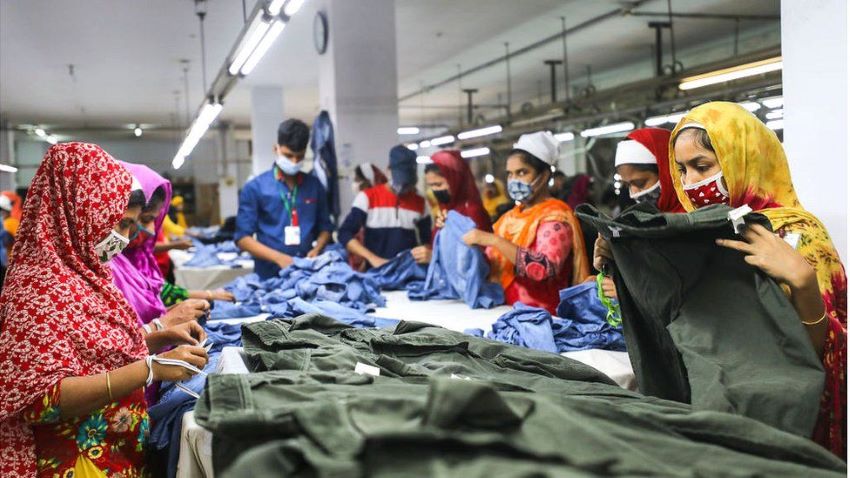
Alongwith Cyclo and GMS Composite Knitting, Bestseller also developed a closed-loop system which recycles cutting scraps to make cotton yarn and fabric. Around 219 or its suppliers completed a Higg FEM assessment, representing 86 per cent of the company's supply chain by value.