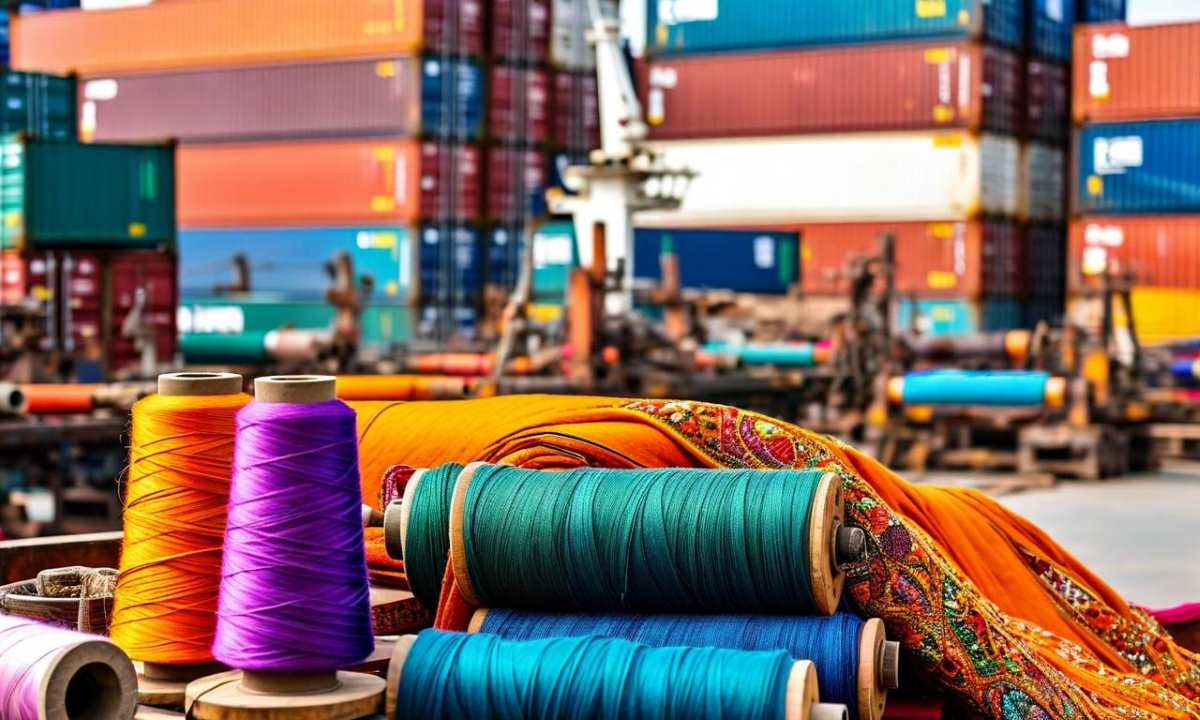
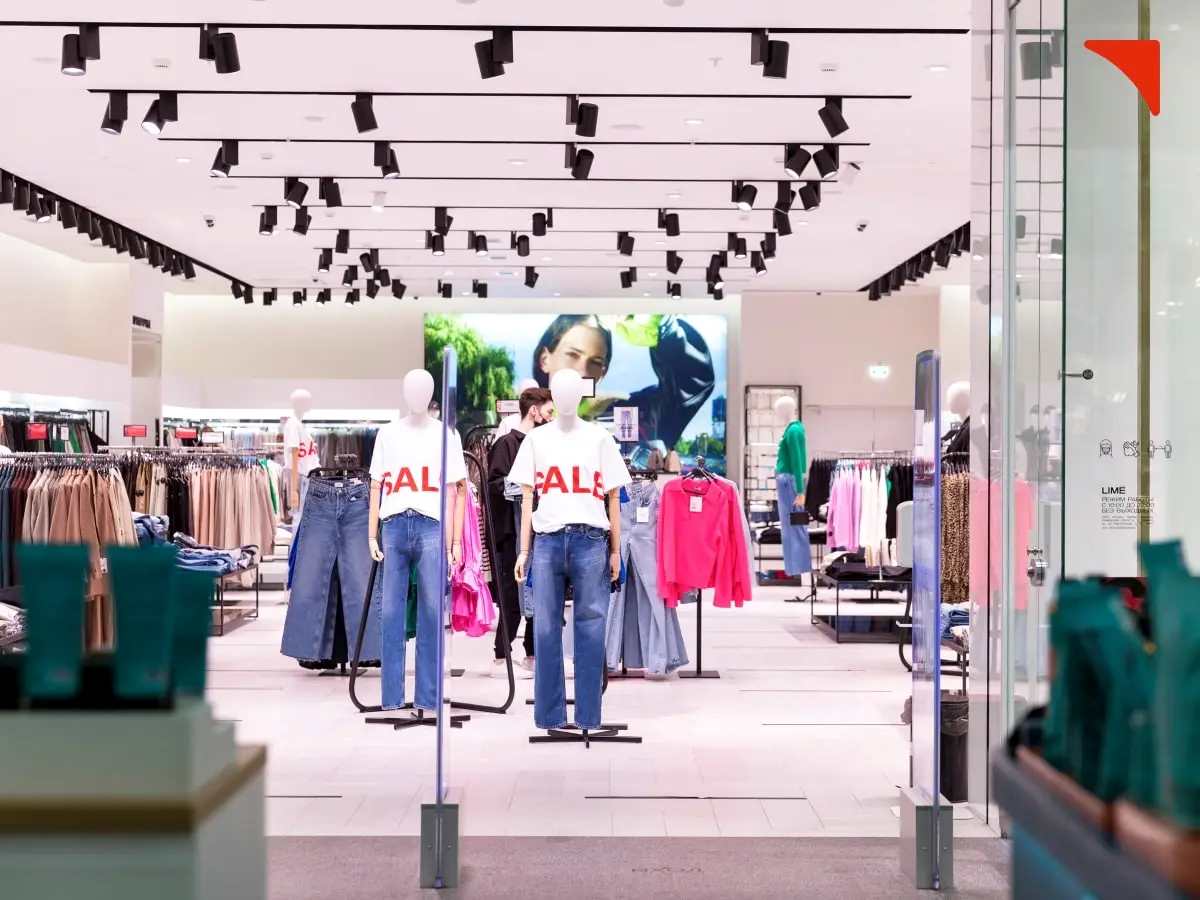
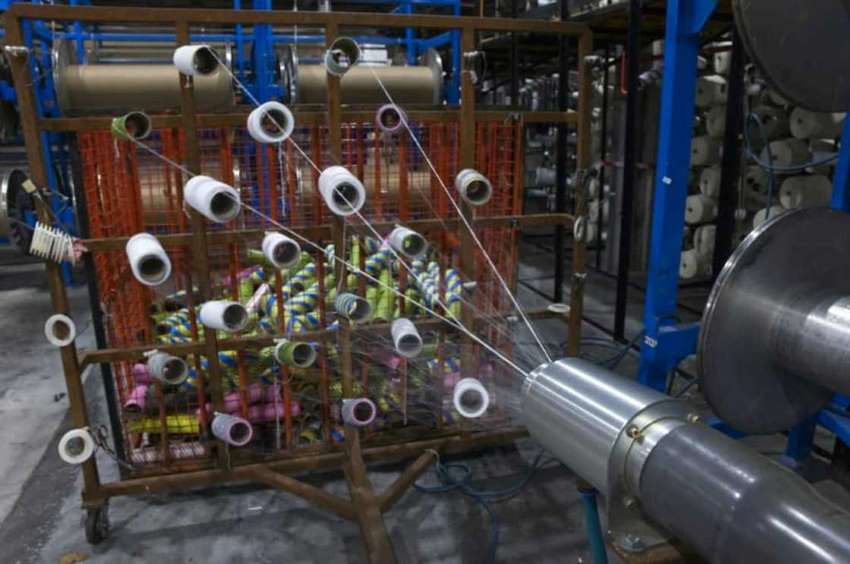
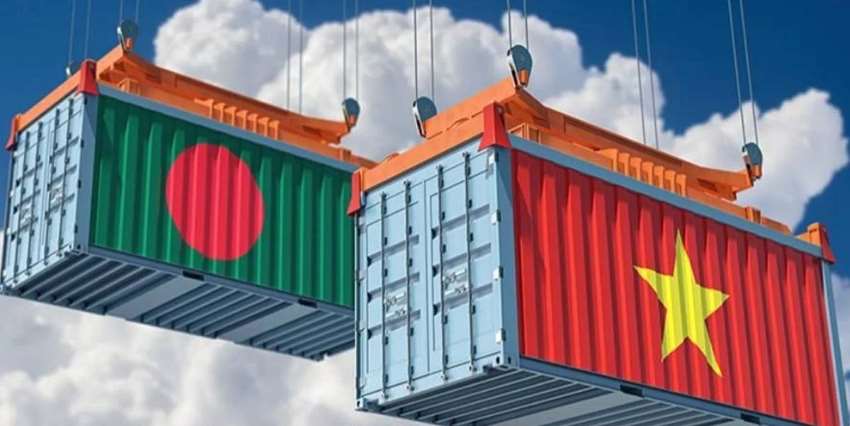
When global brands source from China or Bangladesh, some ethical issues are involved. Brands save money by making clothes in substandard conditions overseas instead of paying higher wages at home. Children make garments or stitch sequins. Sequins have been the focus of a number of investigations into child labor practices. While there are machines that can perform the delicate task of sewing sequins onto fabric, they are costly and, if the finished product is to be sold cheaply, rarely purchased by overseas manufacturers. Instead, the task is often given to women or to children, whose tiny fingers apparently mean they work faster than adults.
Fashion behemoths like H&M and Zara share the same manufacturing bases, Sri Lanka, Bangladesh, Ethiopia or Cambodia. But a lot of clothing companies won't include the place of manufacture on the collar tag. Multiple garments labeled as made in New Zealand, for instance, are manufactured in China or Bangladesh.
Global fast fashion giants have hollowed out artisanal manufacturing worldwide. Global luxury brands have retained their value by dictating where their products are made. Such practices are now being considered unethical and their products are no longer considered luxury or even desirable.
- 1
- 2
- 3
- 4
- 5
- 6
- 7
- 8
- 9
- 10
Intertextile Shanghai Spring 2026: A hub for global textile innovation
The textile industry’s pulse is quickening as Intertextile Shanghai Apparel Fabrics – Spring Edition prepares to open its doors from... Read more
Moscow Fashion Week 2026: Blending sustainable innovation with timeless glamour
Scheduled to run from March 14-19, 2026 in Moscow, Russia, the Moscow Fashion Week (MFW) is cementing its status as... Read more
The Store as Stage: How fashion is crafting immersive consumer worlds
The North American fashion retail sector in 2026 is shedding its product-first identity and shifting towards a model that values... Read more
Turning the supply chain upside down, on-demand production reshapes apparel
The global fashion industry, long celebrated for its creativity and scale, is facing a structural reckoning. For decades, retailers and... Read more
Intertex Milano 2026 - A global nexus for textile innovation
Intertex Milano is set to return this summer, confirming its status as a premier international destination for the textile and... Read more
Primark at crossroads as AB Foods weighs spin-off amid digital and Lefties press…
The long-standing supremacy of Europe’s budget fashion champion, Primark, is facing a test. As of February 2026, Associated British Foods... Read more
Vietnam, Bangladesh, Cambodia drive US apparel imports in 2025
The 2025 year-end data for the US apparel sector reveals an industry in structural flux. Despite aggressive tariff measures and... Read more
The New Dress Code: Sportswear’s takeover of modern wardrobes
For much of the last decade, fashion retail has been defined by volatility. Trends have shortened, discount cycles have intensified... Read more
Hemp finds its moment in India’s $500 billion American trade calculus
In the grand arithmetic of India’s expanding trade engagement with the US, the headlines usually gravitate toward oil cargoes, aircraft... Read more
EU PET spunbond imports under scrutiny, misclassification sparks regulatory and …
The European nonwovens and technical textiles sector is facing an unprecedented compliance crisis as a rise of customs misclassification threatens... Read more