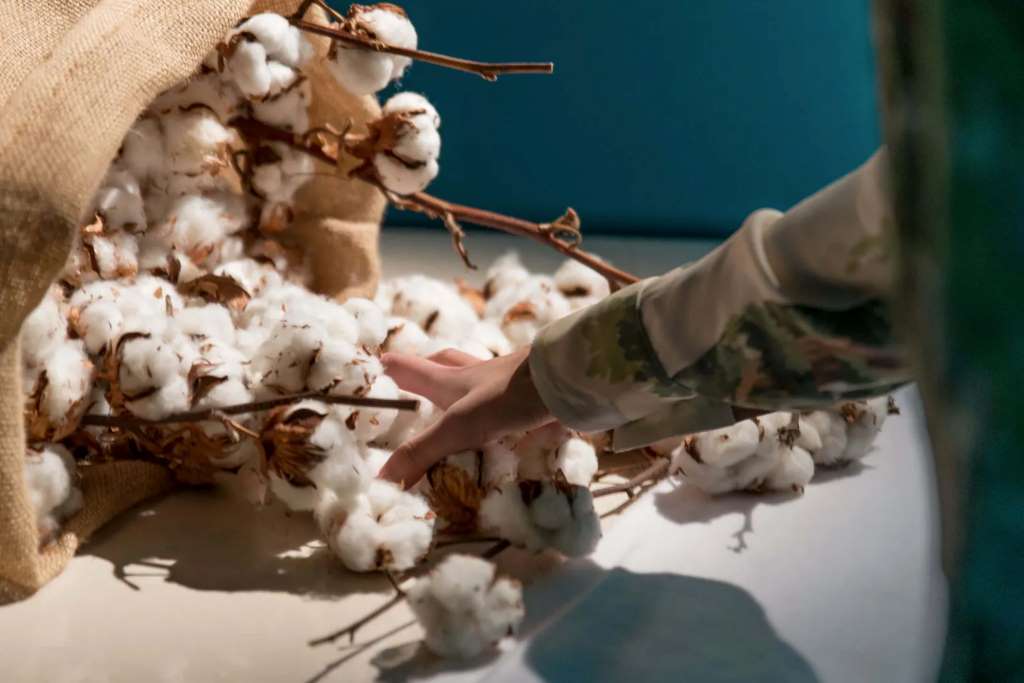
Peru has emerged as a sourcing center, as a quick-turn, high-quality manufacturing locale with model compliance standards and workmanship unmatched among many of its regional competitors. Other advantages are its homegrown pima cotton, its proximity to and duty-free trade privileges with the US.
The country produces high-end and mid-tier blends, most often using modal, micro modal, tri-blends, polyester, cotton, pima and Supima. Knits are a key specialty in Peru. Owing to its high-quality manufacturing, Peru has lured major brands like Polo Ralph Lauren, Marc Jacobs, Hugo Boss, John Varvatos and Lacoste.
Many factories in Peru are equipped for advanced processes and finishes like mercerization and techniques to minimize fabric shrinkage, and the care with which factories handle the product has been key for these high-quality brands. For brands doing cotton and cotton blend knits, control of shrinkage is very important. Peruvian factories can panel wash the fabric, then leave it to relax before they cut, therefore controlling the shrinkage much better than just fabric roll washing. The country also enjoys free trade with Canada, Europe, China and Japan, among others.
The country’s duty free status is a big plus, especially if the brand is making rayon-rich products. Mills in Peru are starting to develop more and more rayon-rich blend knits in an effort to capture this business, which is still largely Asia based.

- 1
- 2
- 3
- 4
- 5
- 6
- 7
- 8
- 9
- 10
Cost spiral across fibers, chemicals and logistics squeezes India’s apparel expo…
India’s textile manufacturing sector has entered one of its most financially strained periods in recent years as increasing fiber, yarn,... Read more
How India’s textile recycling network is becoming a global ESG blueprint
India’s textile industry is mounting an aggressive defence against growing international criticism that developing economies are becoming dumping grounds for... Read more
Cotton trade under pressure as war risks and tariff chaos raise apparel costs
The global textile and apparel industry is entering a high-stakes period of volatility as the ongoing Iran war creates a... Read more
Copenhagen GFA summit 2026 signals reset in global apparel finance
" " The global apparel, textile, and fiber manufacturing industries are entering a decisive phase of financial and operational realignment, as... Read more
Global apparel supply chains realign as India navigates trade volatility
The global apparel and textile sector is experiencing a significant structural shift, as major manufacturers and retailers move away from... Read more
India’s textile sector targets global supply chain shift with $100 bn export pus…
As global brands push up efforts to diversify sourcing beyond traditional manufacturing hubs, India is repositioning its textile industry through... Read more
India balances farm interests and export ambitions with temporary cotton import …
" " The textile industry has received a policy reprieve after the Ministry of Finance eliminated the 11 per cent import... Read more
Global supply chain strain deepen as fashion brands tighten sourcing costs
The global apparel industry is dealing with growing sourcing tension as big fashion retailers intensify efforts to reduce procurement costs... Read more
From Voluntary to Mandatory: Asia’s manufacturing hubs lock in green compliance …
The multi-billion-dollar Asian apparel export market is entering a enforced sustainability era, where environmental and labour compliance is no longer... Read more
MediaVision report signals the end of mass-market fashion marketing
" " The latest MediaVision Q1 2026 Fashion Report highlights, the age of broad-spectrum marketing and passive brand awareness is rapidly... Read more