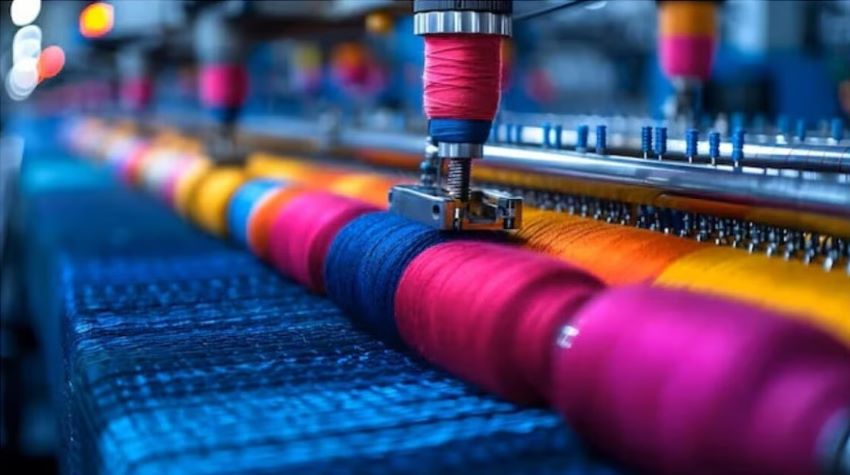
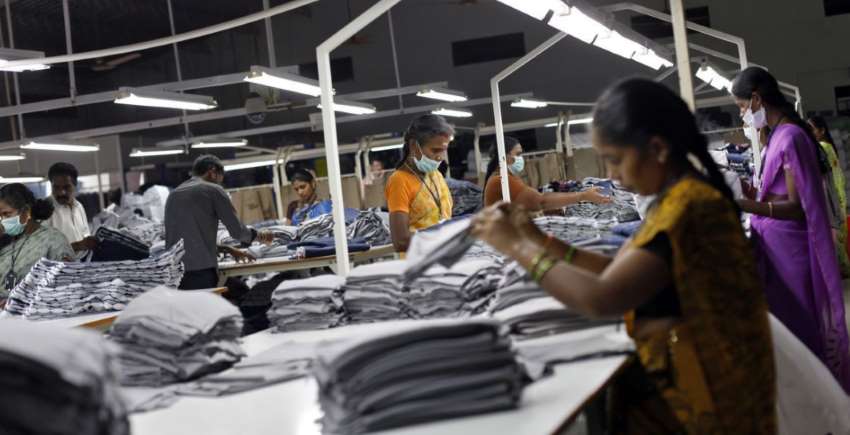
With emphasis placed on responsible manufacturing and sourcing, circular economy is the new eco buzz word. Traditional linear textile chain is having a shakeup and a growing element in circular economy products. Efficiency will be crucial to the survival of the sector throughout the entire textile chain, from clean ingredients, chip dyed yarns, innovative yarns that create interesting aspects with one dye bath, fabric that self heals when ripped and self launder.
The efficiency wave continues through to garment production, as textile manufacturers and brands collaborate in creating varying control and performance in panels within the fabric that eliminate seams. In a landscape of uncertainty on a geo and political level, consumers need reassurance, especially through an emotional reconnection to touch and through the use of color.
Laser finishing, waterless dyeing through to 24/7 freshness through anti-door ingredients all feature. Trailblazing smart fabrics will come through from personal thermal regulation systems to reflective features and e-textiles. Smarter fibers and finishes feature, but this also transfers through to product design, with engineered technictity and a reduction of the sewing process. Intelligent fabrics react and respond to different environments and protect the wearer. The traditional supply chain has been disrupted by B2C partnerships.

- 1
- 2
- 3
- 4
- 5
- 6
- 7
- 8
- 9
- 10
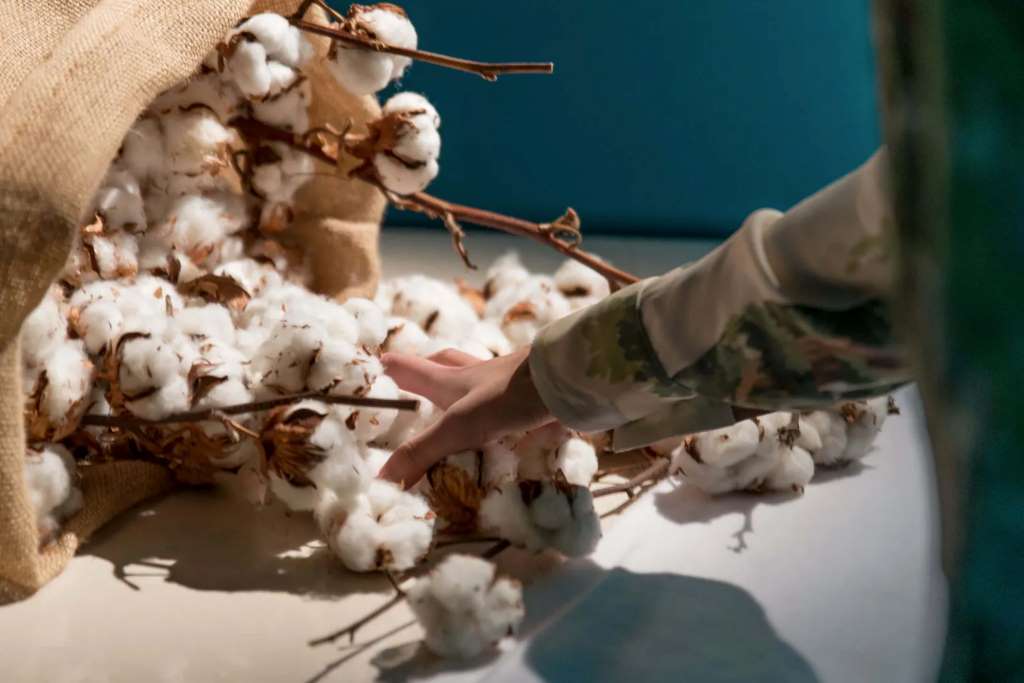
Organic cotton's scale problem raises new risks for fashion supply chains
The global fashion industry's pursuit of sustainable raw materials is facing an uncomfortable reality. Organic cotton, long promoted as the... Read more
India leads global fashion web traffic boom as digital shopping habits evolve
India's digital garment trade has struck an operational turning point, as local shoppers logged 1.4 billion average monthly visits to... Read more
Global apparel trade turns direct as brands bypass traditional distribution netw…
Geopolitical uncertainty, changing tariff regimes and volatile freight costs are forcing manufacturers to rethink how garments reach global consumers. Instead... Read more
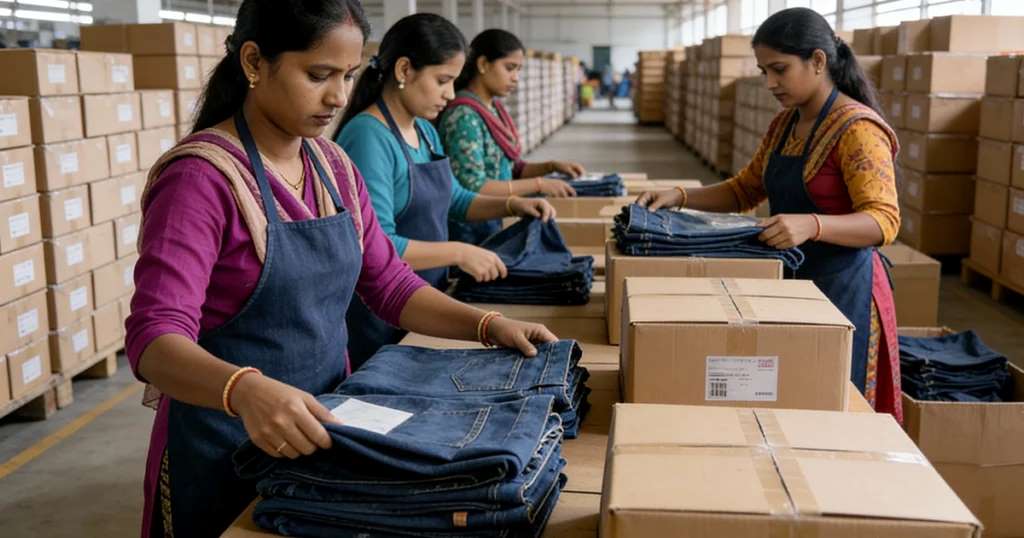
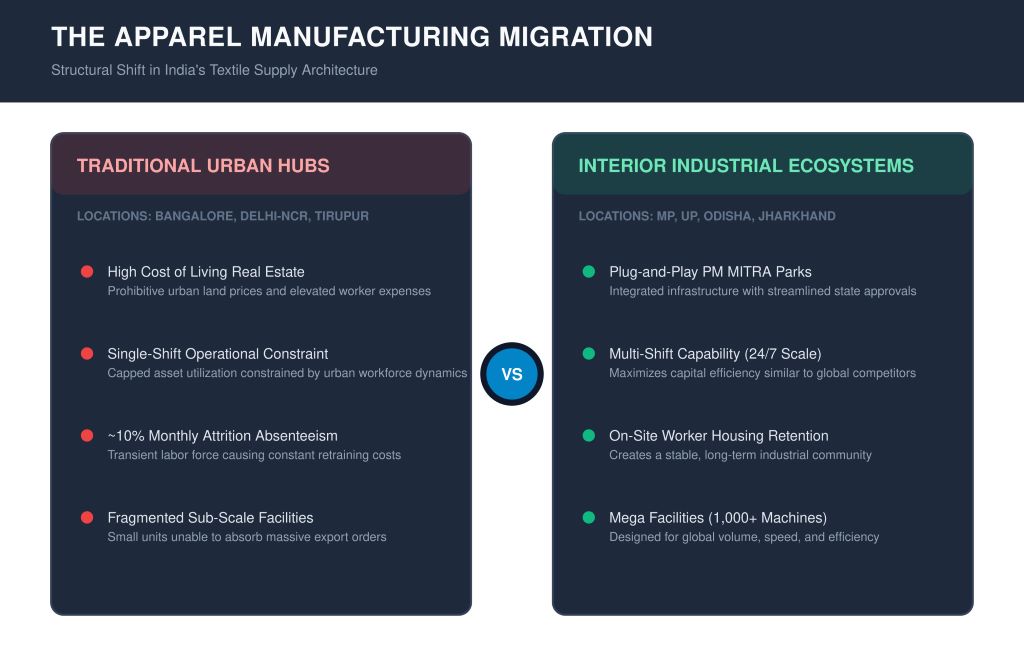
Breaking the Urban Wall: How the interior migration is redrawing India’s apparel…
For decades, India’s garment manufacturing sector has been bound to its traditional strongholds; Bangalore, Delhi-NCR, and Tirupur. Yet, inside the... Read more
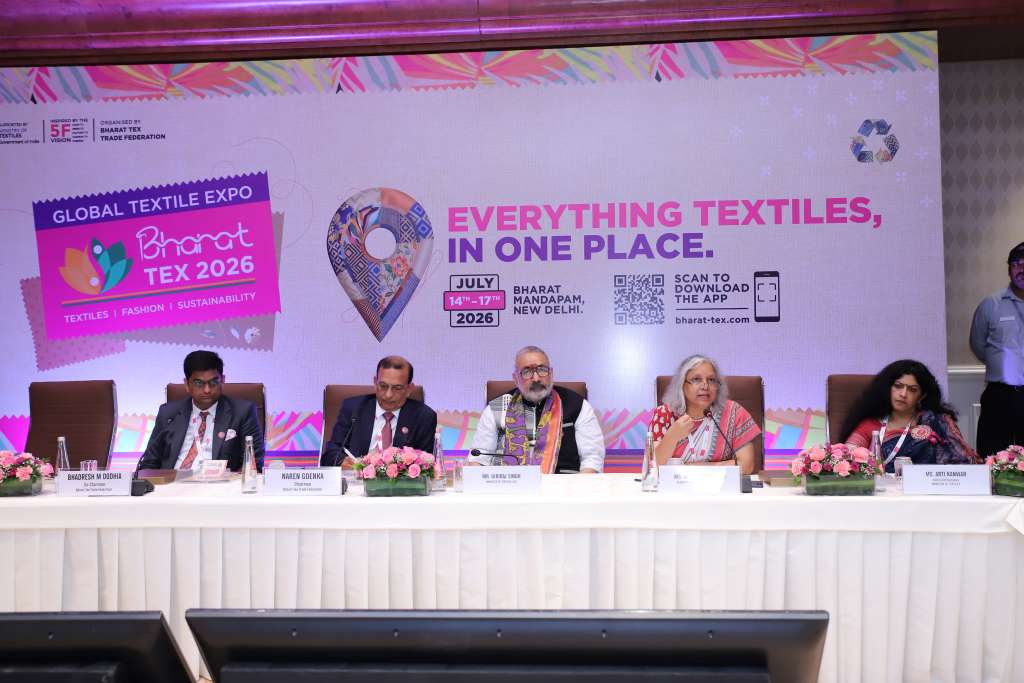
Industrial Spirits and Global Mandates: How India’s textile sector plans to capt…
The global textile value chain stands at a generational crossroads. Against this backdrop, the Bharat Tex Roundtable—convened under the theme... Read more
The New Green Silk Road: Lyocell could transform India’s textile trade
The European Union's Ecodesign for Sustainable Products Regulation (ESPR) is forcing apparel companies to rethink raw material sourcing, reducing dependence... Read more
End of De Minimis: How tariffs are reshaping cross-border fashion commerce
Today, competitive advantage is no longer determined solely by production speed or low-cost manufacturing in global fashion industry. Instead, regulatory... Read more
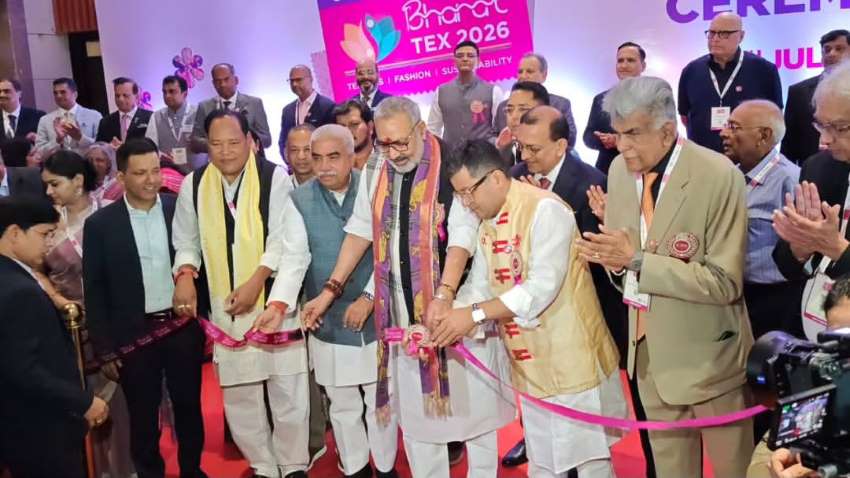
Bharat Tex 2026 ends on historic high as India strengthens global apparel leader…
Bharat Tex 2026 has officially wrapped up, marking the most successful chapter in the event’s history. The four-day textile extravaganza... Read more
Home textile exports under pressure as retailers shift to leaner buying models: …
The global home textile industry has entered a prolonged demand readjustment phase as consumer caution, persistent inflation and conservative retail... Read more
Inventory intelligence replaces discounts in new secondhand wholesale trade
The global secondhand apparel industry has entered a new phase of commercial maturity. Once defined by bulk liquidation, aggressive discounting... Read more