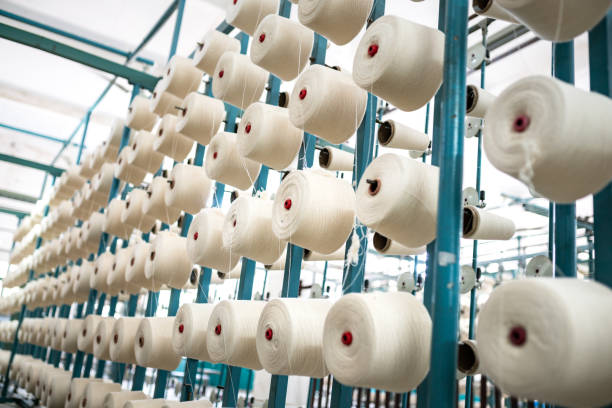
The H&M Foundation’s newly unveiled ‘System Map’ toolkit addresses a primary bottleneck in fashion’s net-zero transition: the disproportionate carbon intensity of Tier II manufacturing. While retail-facing sustainability initiatives often focus on end-of-life recycling, the real challenge lies in the dyeing and finishing stages, which generate 55 per cent of total sector emissions. By introducing frameworks for shared financial risk, the toolkit provides a commercial roadmap for suppliers in markets like India and Bangladesh to transition from coal-fired boilers to high-efficiency heat pumps. This strategy is essential to reverse the 7.5 per cent growth in industry emissions recorded last year, which saw total output reach 944 million tonnes despite widespread corporate climate pledges.
Strategic capital flows and just transition mandates
Beyond technical specifications, the initiative introduces a focus on the ‘alignment gap’ between global capital and localized manufacturing realities. The framework utilizes data-backed modules to illustrate how collective investment in renewable thermal energy can stabilize long-term operational costs for manufacturers while meeting the Science Based Targets (SBTi) of international retailers. Success in halving emissions by 2030 requires moving beyond bilateral brand-supplier pilots toward systemic, multi-stakeholder financing, states a representative involved in the toolkit’s development. By integrating cultural and power dynamics into its workshop models, the H&M Foundation is attempting to decouple economic growth from environmental degradation, ensuring that the transition to a low-carbon textile economy remains inclusive of small-to-medium enterprises within the global supply chain.
Philanthropic systems innovation
A privately funded, independent non-profit organization, the H&M Foundation operates globally to drive systemic change within the textile value chain. Established by the Stefan Persson family in 2013, it focuses on breakthrough circularity and inclusive development. The foundation’s current financial commitment centers on funding pilot programs that demonstrate the scalability of net-zero manufacturing technologies in key Asian sourcing clusters.