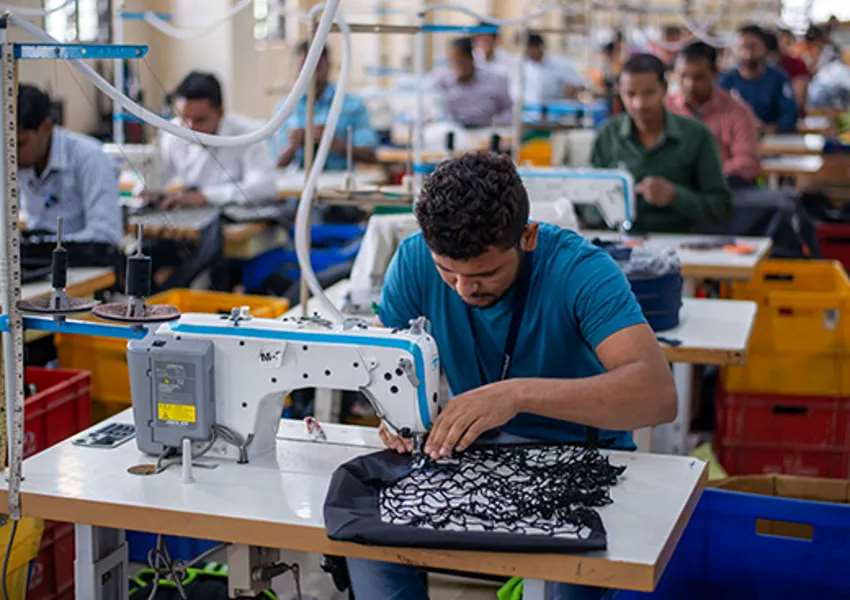
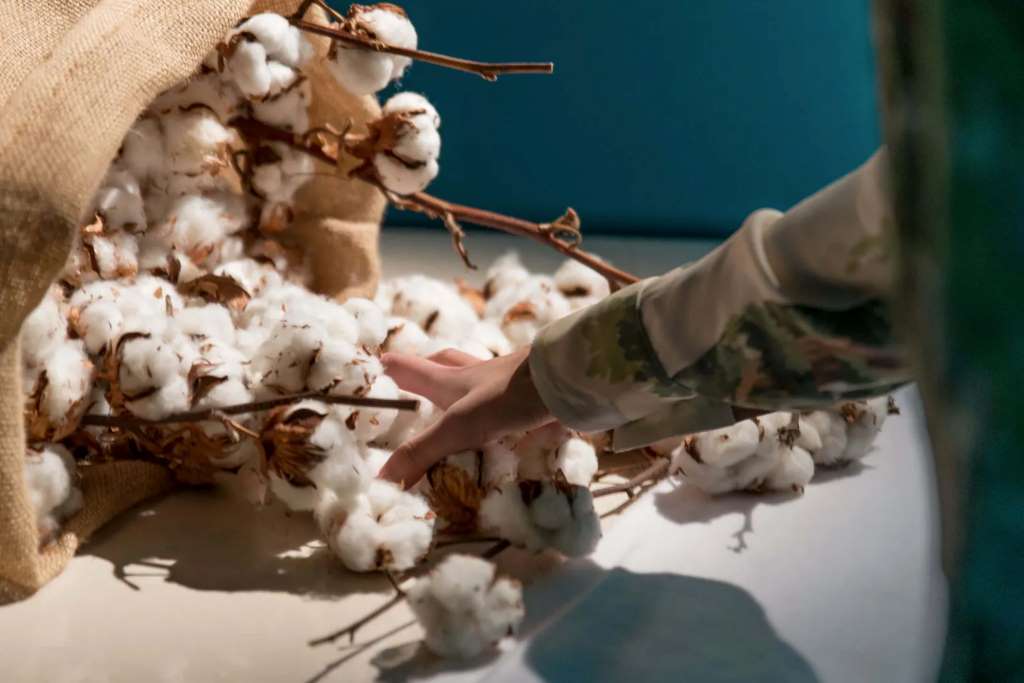
Brazilian fashion retailer Riachuelo has inaugurated a significant advancement in circular apparel manufacturing with the rollout of its expanded ‘Pool Loop’ denim range. This collection represents the first instance in Brazil of jeans engineered using a blend of viscose featuring 20 per cent recycled cotton waste - sourced from both pre- and post-consumer streams - and biomass-based elastane derived from sugarcane. By integrating these regenerative materials, the brand is actively decoupling its production cycles from conventional fossil-fuel-dependent feedstocks. Developed in close coordination with Lenzing Group, Creora, and Canatiba Têxtil, the initiative serves as a high-scale test case for demonstrating that circular material compositions can maintain the performance standards required for the competitive mass-market denim category.
Scaling sustainable production for mass markets
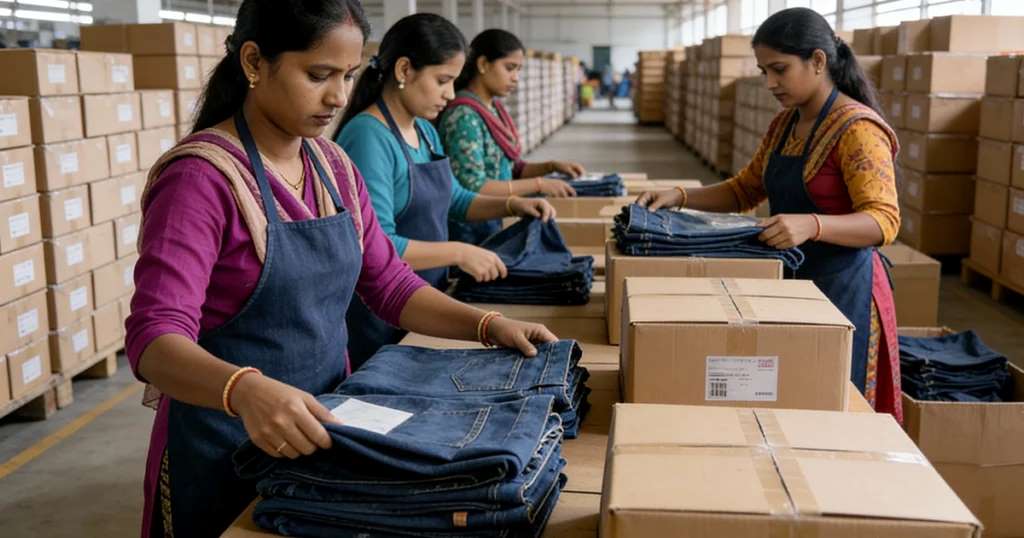
The commercial impact of this collaboration is substantial, with production of the new line already exceeding 10,000 units. By adopting sugarcane-based elastane, the firm leverages a lower-carbon alternative to traditional petroleum-derived stretch fibers, addressing the industry's critical need for sustainable performance. Featuring five distinct silhouettes, this collection is currently available across 97 Riachuelo concept stores and the brand’s digital storefront. This rollout underscores a broader retail strategy to normalize eco-conscious apparel, effectively balancing high-volume output with responsible sourcing mandates. As global denim brands face mounting regulatory pressure to improve circularity, Riachuelo’s model provides a blueprint for integrating sustainable innovation without sacrificing the accessibility or quality expected by the modern consumer.
Expanding sustainable denim portfolio
Riachuelo is a prominent Brazilian fashion retailer offering apparel, footwear, and home goods. Through its ‘Pool Loop’ platform, the company is aggressively expanding its sustainable denim portfolio. The brand focuses on reducing virgin material dependency and enhancing supply chain transparency to meet increasing consumer demand for eco-conscious retail products.