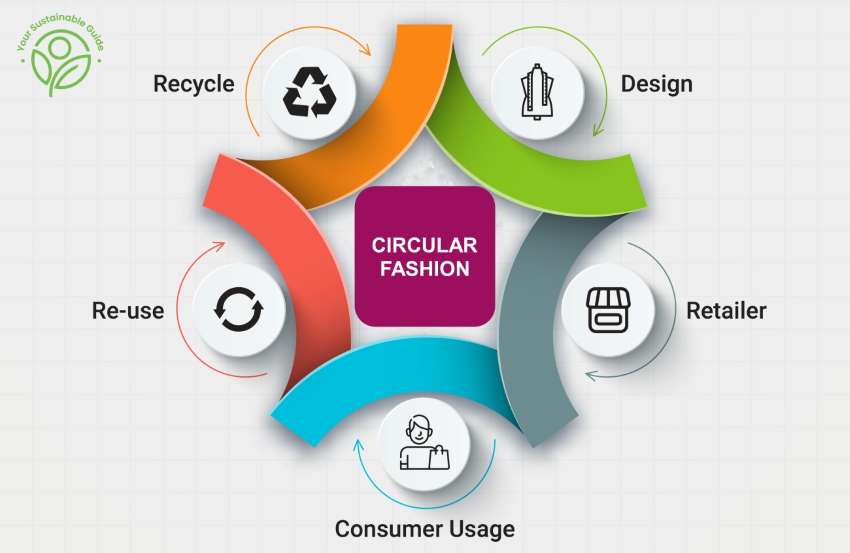
The digital children’s apparel market is evolving from a transactional convenience into a high-tech ecosystem valued at $320 billion. As modern ‘digital-first’ parents grapple with consumption cycles where infants outgrow garments every 90 days, retail leaders are moving beyond standard sales toward integrated lifecycle management. Data indicates, the ‘mini-me’ luxury segment, now 18 per cent of the market, is driving demand for premium, durable materials like organic pima cotton that retain high resale value. This shift has enabled a new retail architecture where brands utilize blockchain-backed ‘pre-loved’ modules directly within their primary storefronts. By internalizing the secondary market, platforms are successfully boosting customer lifetime value by 22 per cent, effectively turning the inherent waste of children's fashion into a recurring revenue stream.
Mitigating logistical friction through AI and micro-fulfillment
Profitability in the online kids’ sector remains contingent on managing a staggering 30 per cent return rate - the highest in apparel. To counter this, retailers are deploying virtual fit technology and regional micro-fulfillment centers to slash last-mile delivery costs and reduce size-related errors. Industry analysts note, as institutional investors tighten ESG mandates, the ability to demonstrate a closed-loop supply chain has become a prerequisite for capital allocation. "The transition to circularity is no longer marketing elective; it is a logistical necessity to protect margins against rising freight surcharges, states a leading retail strategist. This systemic overhaul allows brands to scale rapidly while addressing the $320 billion opportunity through high-margin loyalty levers, such as buy-back credits that keep parents within a single brand's ecosystem from infancy through adolescence.
Strategic intelligence for infant and toddler markets
This research division provides high-fidelity data on global e-commerce trends, focusing on the $320 billion children's wear sector. Specializing in the North American and Asia-Pacific regions, the group helps brands navigate subscription models and ESG-compliant scaling. Since its inception, the firm has focused on tracking digital-first parenting behaviors and long-term brand equity.