The deluge that devastated Pakistan this monsoon season is a grim warning to not only the beleaguered nation but also its neighbors in South Asia that climate change is throwing the region into absolute chaos and is a sign of worse situations to come. The climate minister of Pakistan, Sherry Rehman recently informed the Pakistan Climate Change Council, she will table the loss and damage statistics that have been collated as a consequence of the climate change elements that are beyond the control of Pakistan and the inability of the country to utilize existing options practiced around the globe simply due lack of resources to comply. Rehman will introduce this discussion at COP27, being held in Cairo from November 6 to 18. Rehman told the Council “The COP27 must capitalize the adaptation fund and introduce agility and speed in countries that need to build resilience.”
Textile sector plays a key role
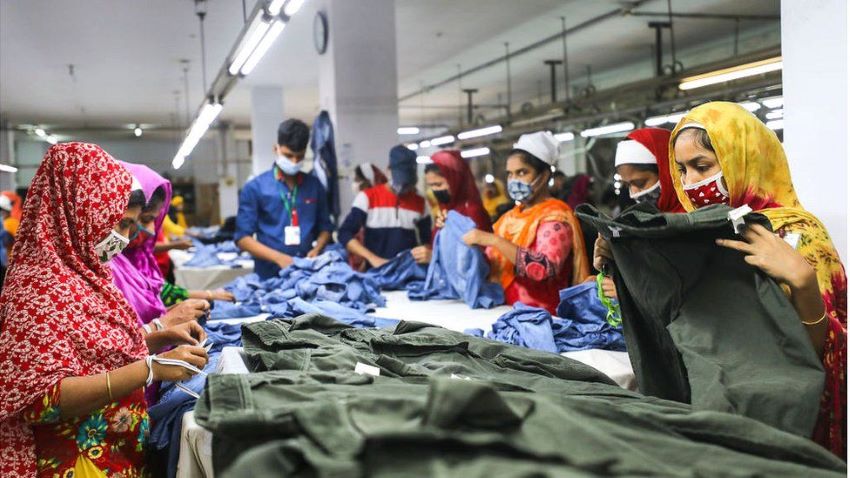
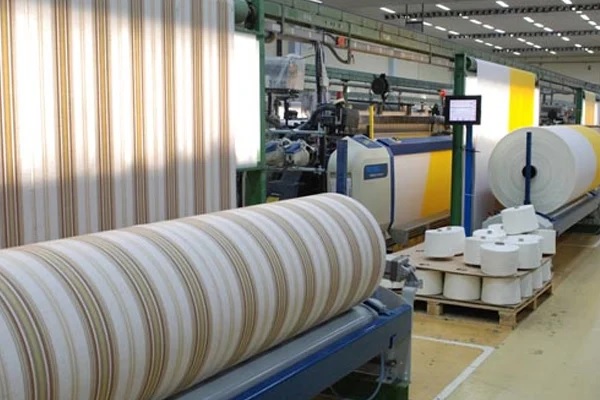
This sector continues to be the backbone of the country’s economy as it employs 40 per cent of Pakistan’s work force and contributes 8 per cent to its GDP. However, in comparison, the sector is responsible for emitting 6 per cent of Pakistan’s greenhouse gas as a direct result of stationary combustion, is the largest consumer of electricity and also consumes a vast share of the nation’s water resources. It is widely reported, the country’s lax approach to environmental regulations has resulted in factories who are a part of the international supply chain comply but the factories manufacturing for the domestic market ignoring these regulations.
Pakistan’s environmental experts have long been discussing the urgent need for the government to implement strict compliance across the sector as a whole, educate manufacturers on the benefits of resource management through efficient usage and provide monetary incentives, particularly to SMEs to invest in renewable energy and efficient energy practices.
NAMA to assist in transformation
Pakistan’s Nationally Appropriate Mitigation Activities has been given the task of assisting textile sector to de-carbonize. It will provide the much needed funds with financial cooperation as well as expertise and advisory support with technical cooperation. NAMA has already established easy-access loans at highly-reduced interest rates for manufacturers so they are facilitated to adopt efficient and renewable energy technologies.
NAMA has also prepared a slew of case studies that can help local manufacturers understand the process, the benefits and the ethics of compliance. NAMA’s technology component will not only improve regulations but also address the issues of non-compliance which is rampant in this sector. The NAMA Support Project has been welcomed by Pakistan’s textile sector that appreciates the intention, the inputs and the desired outputs as outlined by the forum. Additionally, NAMA is hopeful that its initiatives will percolate to reach out to boost the green technology sector and educate the banking sector to play a supportive role in promoting such initiatives.
Towards ‘Net Zero’ Pakistan
It is important to note that 95 per cent of signatories for Net Zero Pakistan are from the textile sector, reinforcing how serious it is in comparison to the agriculture and other sectors. Saleha Asif, CEO, Pakistan Textile Council reiterates the sector is a natural leader for the national initiative by the country's leading companies to achieve net zero carbon emissions by 2050.