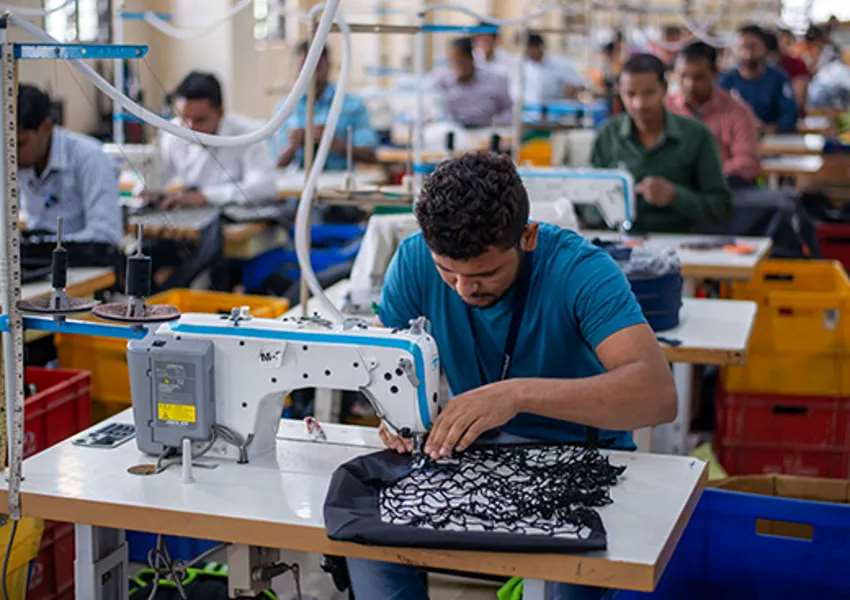
In a recent finding, compliance service provider AsiaInspection (AI) says that factory inspection results in Bangladesh improved gradually in 2014 as brands pushed for higher standards. The Acceptable Quality Level (AQL) inspection results in the country had improved through the year. It is likely due to the enormous pressure being applied on brands to demonstrate ethically compliant supply chains in Bangladesh following causing buyers to be more careful about selecting suppliers and push them to improve standards, AI said in its 2015 Q1 Barometer report.
Meanwhile, 5.6 per cent of ethical audits in Asia failed on child labour grounds, a slight increase, the company said. AI auditors continue to discover child labourers in factories. Tackling the issue is not easy for brands and retailers in supply chains that are increasingly complex and fragmented, but action can be taken to safeguard these children’s childhoods, said AI CEO Sebastien Breteau.
The main reason for failing ethical audits was health and safety, with India the worst offender, behind Bangladesh and China. Working hours and compensation was the second most common cause of failure, AI said. Changes in global manufacturing cost-competitiveness were likely to prompt buyers to target countries like Mexico in 2015, taking advantage of lower costs and proximity to markets, the company has said. The erosion of China’s estimated cost advantage would also give a potential boost to Asian rivals such as India and Indonesia.
- 1
- 2
- 3
- 4
- 5
- 6
- 7
- 8
- 9
- 10
Cotton markets hold firm as tariffs, higher supply reshape global fiber economic…
In a year marked by tariff escalations, geopolitical brinkmanship and a recalibration of global trade flows, the international cotton market... Read more
Beyond Cotton How Kapok could redefine sustainable insulation in textiles
In the lush, humid heart of Southeast Asian rainforests stands a giant, a silent sentinel of the forest canopy. Growing... Read more
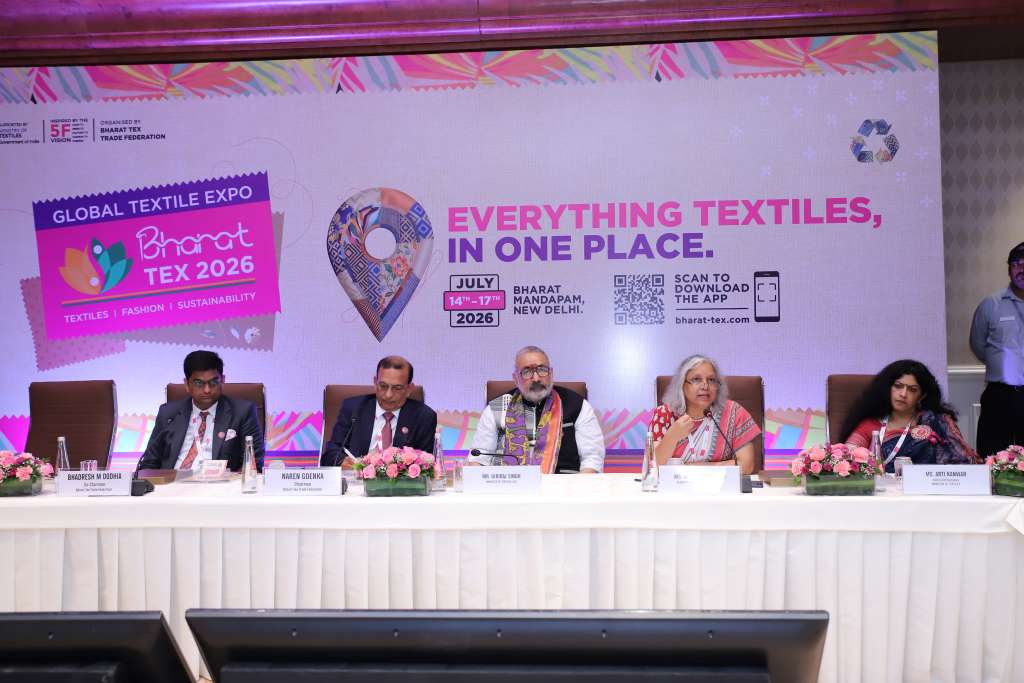
Bharat Tex 2026: Redefining the global textile value chain
Union Minister of Textiles, Giriraj Singh, has officially unveiled Bharat Tex 2026, signaling a significant leap in India’s influence over... Read more
Intertextile Shanghai Spring 2026: A hub for global textile innovation
The textile industry’s pulse is quickening as Intertextile Shanghai Apparel Fabrics – Spring Edition prepares to open its doors from... Read more
Moscow Fashion Week 2026: Blending sustainable innovation with timeless glamour
Scheduled to run from March 14-19, 2026 in Moscow, Russia, the Moscow Fashion Week (MFW) is cementing its status as... Read more
The Store as Stage: How fashion is crafting immersive consumer worlds
The North American fashion retail sector in 2026 is shedding its product-first identity and shifting towards a model that values... Read more
Turning the supply chain upside down, on-demand production reshapes apparel
The global fashion industry, long celebrated for its creativity and scale, is facing a structural reckoning. For decades, retailers and... Read more
Intertex Milano 2026 - A global nexus for textile innovation
Intertex Milano is set to return this summer, confirming its status as a premier international destination for the textile and... Read more
Primark at crossroads as AB Foods weighs spin-off amid digital and Lefties press…
The long-standing supremacy of Europe’s budget fashion champion, Primark, is facing a test. As of February 2026, Associated British Foods... Read more
Vietnam, Bangladesh, Cambodia drive US apparel imports in 2025
The 2025 year-end data for the US apparel sector reveals an industry in structural flux. Despite aggressive tariff measures and... Read more