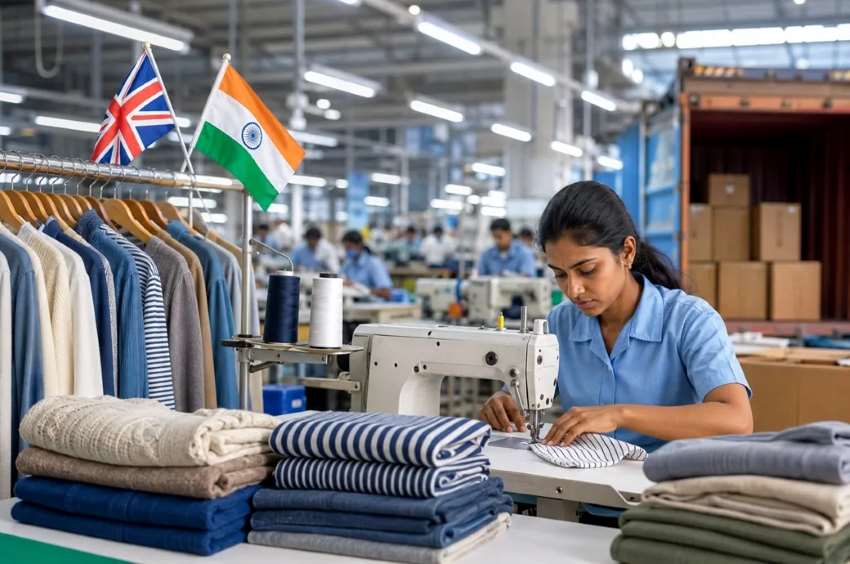
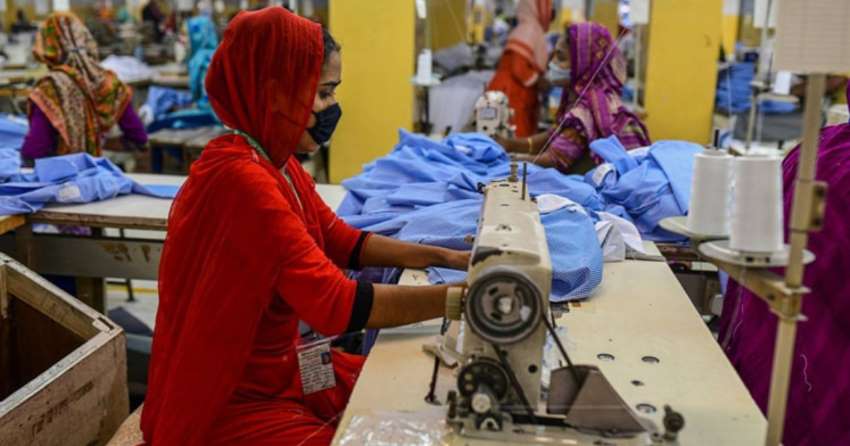
The textile sector in India is witnessing huge FDI inflows. FDI of up to 100 per cent is allowed in the textiles sector through the automatic route. Growth in FDI inflows into the textile sector has also led to a growth in job prospects in the country. Currently the textile industry employs about 51 million people directly and 68 million people indirectly and this is expected to grow further.
Textile, one of the oldest industries in the Indian economy, dates back several centuries. The sector currently contributes about 14 per cent to industrial production, four per cent to GDP, and 17 per cent to the country’s export earnings. The industry accounts for nearly 12 per cent of the country’s total exports.
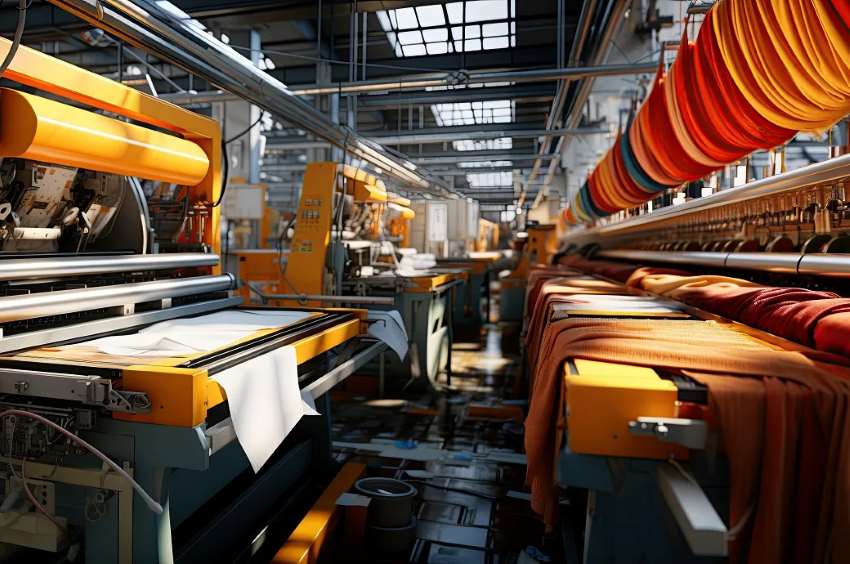
The Indian textile industry is extremely varied, with hand-spun and hand-woven textiles at one end of the spectrum, and capital intensive sophisticated mills at the other end. Some of the initiatives taken to promote the industry include introduction of a mega package for the power loom sector, including social welfare schemes, insurance cover, cluster development, and upgradation of obsolete looms. A memorandum of understanding has been signed with over 20 e-commerce companies, aimed at providing a platform to artisans. A slew of labor-friendly reforms has been announced.

- 1
- 2
- 3
- 4
- 5
- 6
- 7
- 8
- 9
- 10
Spykar accelerates offline expansion: plans 100 new stores across India
A titan of the Indian denim-first fashion scene, Spykar has officially unveiled an aggressive retail growth strategy. As consumer demand... Read more
The Inventory Illusion: Rethinking the Zara benchmark in a volatile retail era
For over a decade, the global fashion industry has treated the Zara playbook as the gold standard of inventory efficiency.... Read more
Retail Without Retail: How Walmart’s depot network is turning space into logisti…
Walmart is fundamentally rewriting the commercial real estate and retail logistics playbook with the rise of its ‘Walmart Depots’ a... Read more
Global textile regulation tightens, forcing realignment across fashion supply ch…
Global fashion and consumer goods supply chains are entering a decisive regulatory transition as Extended Producer Responsibility (EPR) frameworks for... Read more
Luxury’s new power axis, US dominance, China reset, Gulf surge
As the post-China luxury order takes shape, the US is emerging as the industry’s most dependable growth engine, while Japan,... Read more
India’s $9 Billion Landfill Blind Spot How trashed clothes hold the key to globa…
A massive economic windfall is sitting uncollected in India’s landfills, and the key to unlocking it lies in rethinking how... Read more
Red Sea crisis reshapes textile trade routes, challenges India’s export margins,…
Global apparel trade is now in a new operational phase where geopolitical stability and logistics reliability are as important as... Read more
EU’s textile waste rules enter enforcement phase, raising alarms across fashion …
Europe’s apparel and textile industry is approaching one of its most significant regulatory transitions in decades. As the European Union... Read more
Corporate fashion adopts reverse logistics to unlock the $367 bn resale market
Global fashion retailers are rapidly changing their business models around resale, repair, and textile recovery as the secondhand apparel market... Read more
Tariff Shock 2026: Forced-labor enforcement is repricing global fashion trade
Washington’s latest trade intervention signals a break in the global apparel sourcing patterns. The Office of the United States Trade... Read more