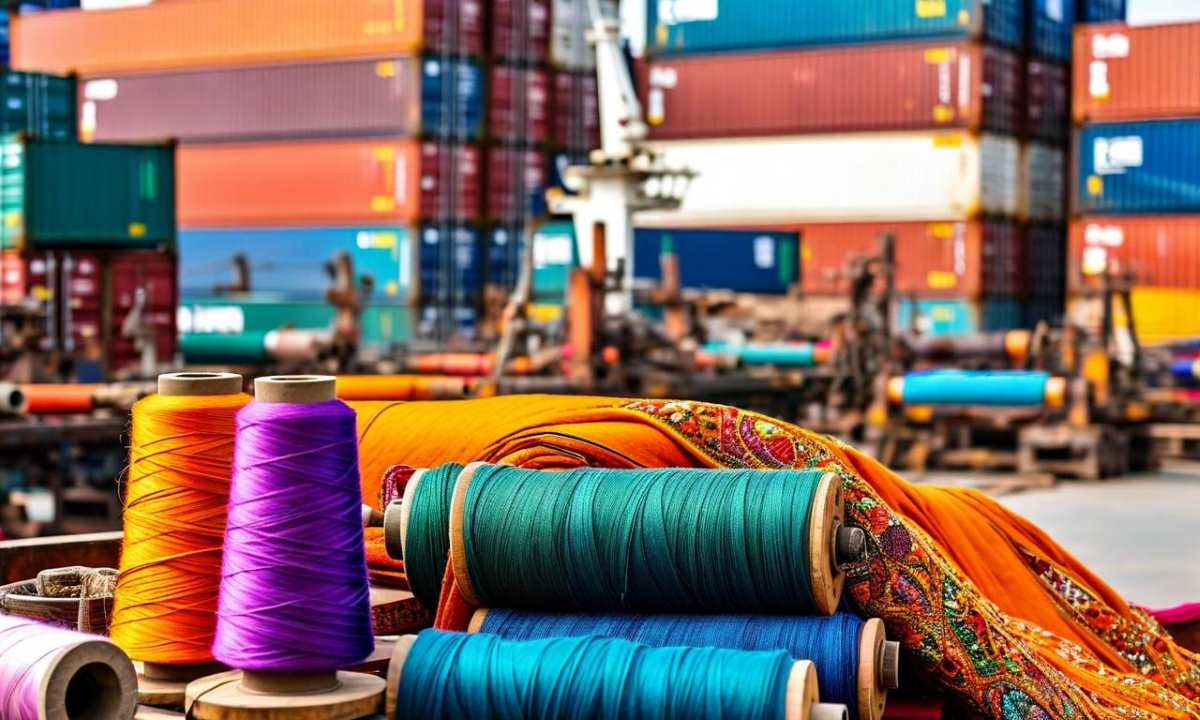
The closure of the Strait of Hormuz, has precipitated a sharp escalation in polyester fiber prices, creating significant turbulence within the global textile and apparel value chain. As of March 2026, the cost of polyester staple fiber has experienced a double-digit percentage increase, driven primarily by soaring petrochemical feedstock prices and heightened maritime freight volatility. With crude oil valuations surging in response to the conflict, downstream manufacturers are grappling with increased production overheads that threaten to compress margins across the garment manufacturing sector.
Navigating supply chain reconfiguration
The disruption has compelled shipping lines to divert cargo vessels around the Cape of Good Hope, a logistical shift that extends transit times by approximately 20 to 25 days. This redirection not only inflates bunker fuel consumption and insurance premiums but also strains container availability, impacting the reliability of time-sensitive fashion supply cycles. Industry analysts note that export-dependent textile hubs, particularly in India and Southeast Asia, face a dual challenge: rising raw material input costs and the potential for order cancellations due to delivery delays. Consequently, apparel manufacturers are being forced to reassess their procurement strategies, with many considering higher inventory buffers or nearshoring options to mitigate the risks of prolonged transit uncertainty.
Operational resilience amidst escalating costs
The current environment represents a stark departure from the relative pricing stability observed in previous quarters. As polyester accounts for approximately 75 per cent of synthetic fabric production, fluctuations in its cost have direct implications for both mass-market apparel and technical textile applications. While some firms are attempting to absorb these costs to maintain competitive pricing, others are navigating complex price negotiations with global buyers to pass on inflationary pressures. The industry is now entering a period where agility, data-driven supply chain transparency, and diversified sourcing are becoming paramount for maintaining operational continuity in a fractured global trade landscape.
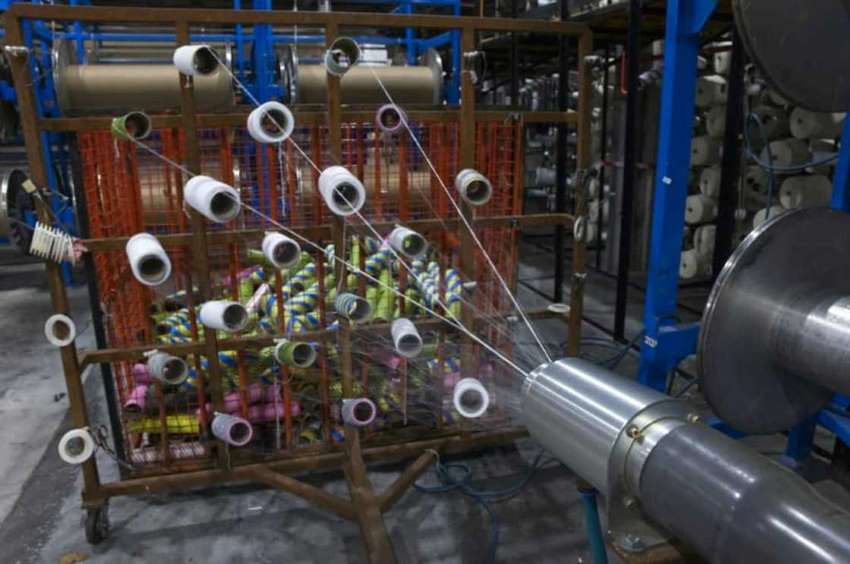
The polyester fibre market is a cornerstone of the global textile industry, supplying essential materials for apparel, home furnishings, and automotive interiors. Valued at over $100 billion, the sector relies heavily on petrochemical feedstocks. Major players prioritize scaling production and recycled fibre innovation to meet global demand.