

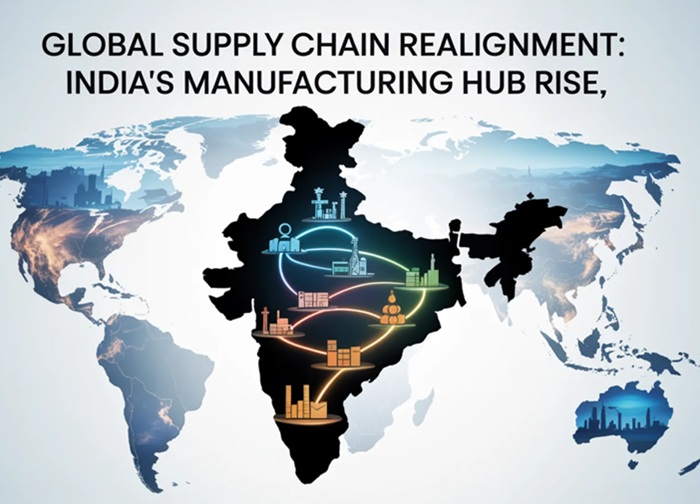
The global apparel and textile sector is experiencing a significant structural shift, as major manufacturers and retailers move away from traditional, single-source dependency in favor of multi-country footprints. Much like the consumer goods industry recently de-risked its logistics by moving operations to mitigate regional instability, apparel firms are now aggressively rerouting supply chains to navigate tariff shocks, raw material volatility, and shifting geopolitical landscapes.
Redrawing the global textile map
The current landscape is characterized by a strategic departure from centralized production. Major exporters are increasingly reassigning US-bound production orders to more favorable geographic hubs. For instance, Pearl Global Industries has reported growing demand for its operations in Vietnam, Indonesia, Bangladesh, and Guatemala, highlighting a deliberate movement of capacity to locations that offer better trade access or cost efficiencies. Similarly, other top-tier exporters are leveraging manufacturing bases in Africa to insulate their North American supply chains from potential disruptions. This transition reflects a broader “China plus one” strategy, now evolving into a more complex, diversified portfolio approach as global buyers prioritize supply chain resilience over singular cost advantages.
Strengthening domestic competitiveness
In response to these global pressures, the Indian government and industry leaders are implementing a dual-track strategy focused on both raw material security and long-term cost optimization. To address domestic input cost spikes, the Finance Ministry recently waived the 11 per cent import duty on cotton, effective from June 1 through October 30, 2026. This intervention is designed to ensure adequate raw material availability for the textile industry, particularly for MSMEs, and to stabilize costs after cotton prices experienced significant fluctuations, previously spiking to Rs 71,000 per candy.
Furthermore, the government is currently developing a comprehensive cost roadmap to align India’s textile ecosystem with international benchmarks. By mapping raw materials, compliance standards, and taxation frameworks, the initiative aims to close the competitiveness gap. Industry bodies are actively lobbying to increase the Remission of State and Central Taxes and Levies (RoSCTL) benefits to 10 per cent, a move viewed as essential to achieving parity with the duty-free advantages enjoyed by manufacturers in Bangladesh and Vietnam.
Challenges and future outlook
While India targets a $100 billion export valuation by 2030, the path forward requires addressing structural hurdles. Data indicates, labor productivity in India remains 20 per cent to 40 per cent lower than that of key competitors, and the nation currently holds only a 6 per cent share of the $107.7 billion US textile import market.
However, the outlook remains cautiously optimistic. As labor costs rise in Vietnam and political instability creates uncertainty in other manufacturing hubs, India is positioning itself as a reliable, balanced growth destination. By tapping into strategic trade agreements with the UK, Japan, and Australia, Indian manufacturers are moving beyond traditional reliance on the US market. The consensus among industry stakeholders is that the current period represents a watershed moment; in the 2026 trade environment, supply chains are no longer snapping—they are effectively rerouting, and India is positioning its manufacturing base to capture the resulting long-term value.











