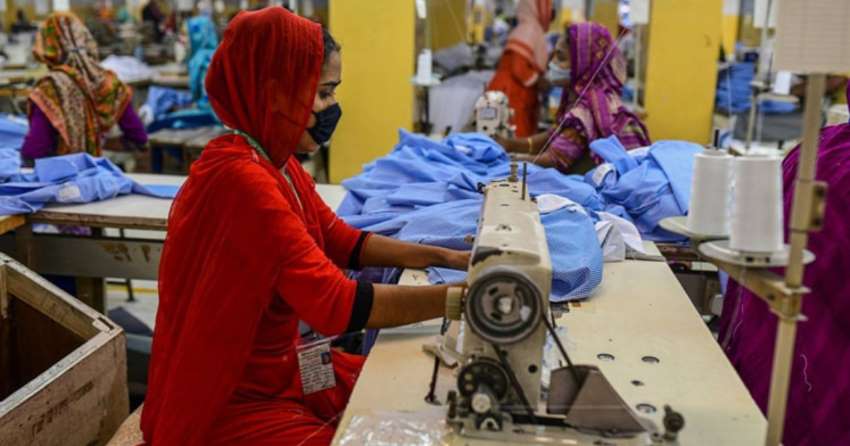
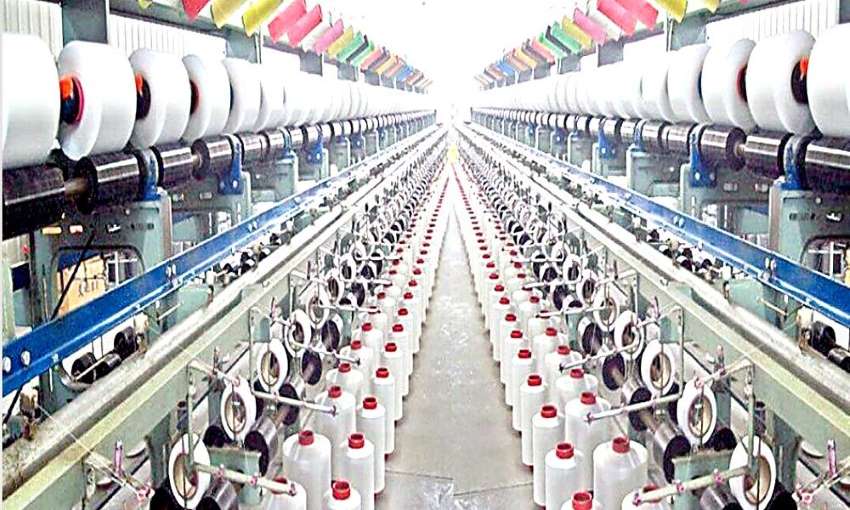
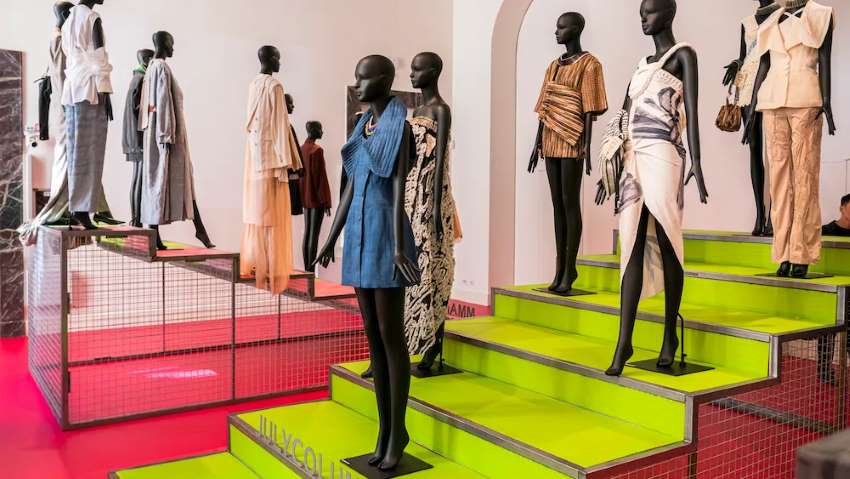
The global apparel industry is heading for a slowdown this year as macroeconomic tensions and slumping consumer confidence chip away at post-Covid 2022′s profits of most retailers. In many key categories like electronics, garments, furnishings, and automobiles, the need-to-have essentials versus great-to-have non-essentials for the daily living segment are being closely scrutinized.
In many segments of retail spending such as electronics, luxury fashion apparels and cars, where price tags are higher and goods are long-lasting, most consumers are less likely to replace them with new versions in 2023. Meanwhile, global apparel industry has felt the impact of rising cotton prices and this has affected sales. Even though there was a strong sales run during the second half of last year, it has been rather volatile after that and the trend is changing for every quarter after that.
US markets sees a cut in retail spending
Consumers in the US have drastically cut down on their unplanned shopping splurges on apparel and accessories and put off replacements and upgrades of electronics for another brighter day. US-based PYMNTS, a recognized global leader for data, news, and insights with a set of proven frameworks to analyze scales in dynamic markets, highlighted in its recent report that there has been around $8 billion cut in US retail spending in the past few months. The research has shows 67 per cent retail customers are expecting a significant price increase next year and the average global consumer does not expect inflation to return to normal until the end of 2024. Data from the US Census Bureau also shows general spending has declined 1per cent month on month on a seasonally adjusted basis which follows a 0.2 per cent decline seen in February versus January 2023.
While the electronics and appliances segment was lower by 2.1 per cent month over month and around 10.3 per cent year on year, even the home furniture and home furnishings segment was down 1.2 per cent and 2.4 per cent respectively. Spending on branded clothes, shoes, bags and accessories has also slipped 1.7 per cent month on month and 1.8 per cent from a year ago.
Alongside slowdown, the Federal Trade Commission (FTC) has been warning advertisers to back up claims about their products and has issued notices to over 670 companies warning that they may face civil penalties if they make claims in their ads that cannot be substantiated with reliable evidence. The problem is, as consumers tighten purse strings, many companies are making false claims and misleading advertisements to lure people into buying their products.
India’s textile segment too sees sales slow down
In India too, the slowdown is not restricted to just apparel and has even hit the fine dining restaurants and liquor segments, which had both surpassed pre-Covid sales last year with consumers’ vengeance to be finally out wining and dining again. However, this quick rise in demand for feel-good categories such as apparel, quick service restaurants and lifestyle products has started to lessen with the peak period already over. For apparel players, growth may look optically high in good seasons but overall demand trends remain broadly unchanged. The impact of rising cotton prices has hit hardest the small-town consumers who are most price-sensitive.
A HDFC Securities a report states, demand peak in discretionary categories seems to be behind us. Elevated ticket sizes and store expansion coupled with normalising footfalls aided growth. However, in retail, many of these variables are now mean-reverting. In Q4, we are already seeing signs of reined-in expansion plans across categories and ticket sizes are also normalising. Discretionary spending may weaken in Q4, as apparel, lifestyle companies etc expect sales to grow only 15-20 per cent. Experts caution, pent-up demand cannot sustain forever as people go back to normal habits.
Downcycle exposure and sustainability of certain segments in the apparel industry may provide the biggest opportunities while inflation is the greatest threat with deteriorating macroeconomics and job losses weighing in heavily on the industry in the second half of 2022 and continuing to leave the fashion segment on tippy toes in the first few months of 2023.