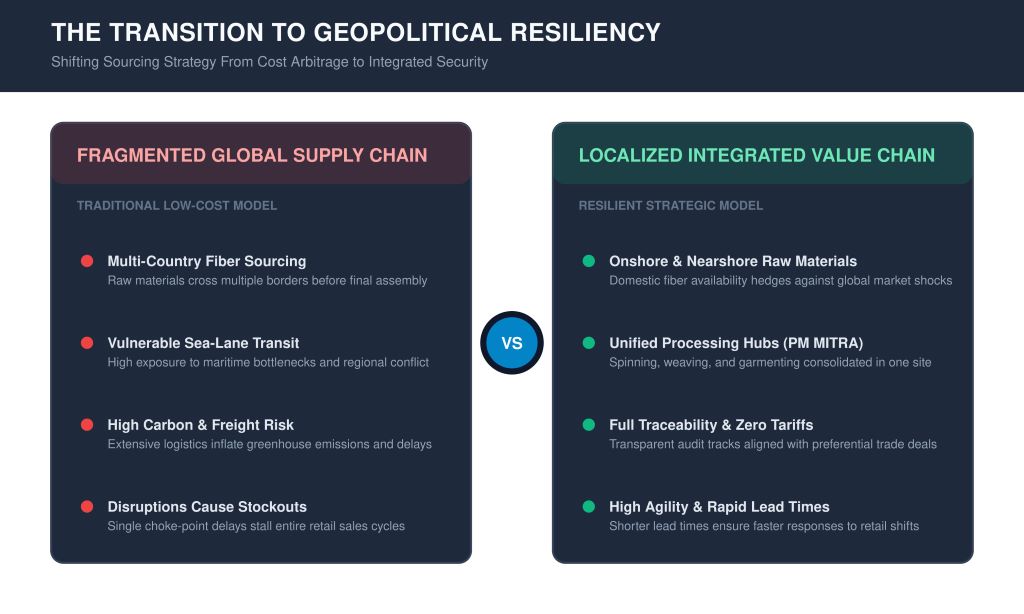
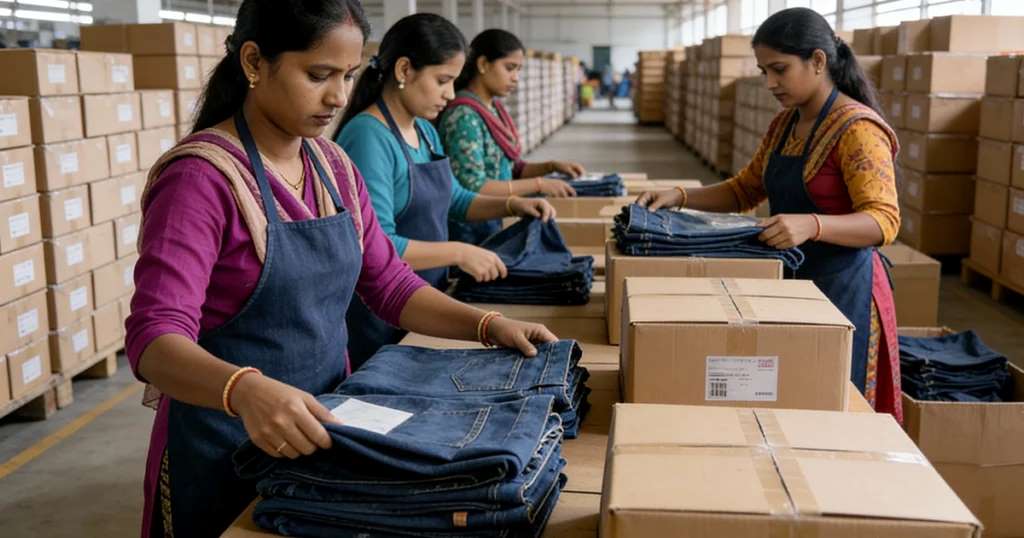
India has taken several steps for the promotion of investment, exports and creation of new job opportunities in the textile sector. GST on manmade fiber yarns has been reduced from 18 per cent to 12 per cent. GST rates for garments and made-up articles not exceeding Rs 1000 a piece are five per cent of the sale value and 12 per cent for articles of sale value exceeding Rs 1000 a piece. Accumulated input tax credit on fabrics will be refunded. This is aimed at reducing the cost of fabrics, which are major inputs for garments.
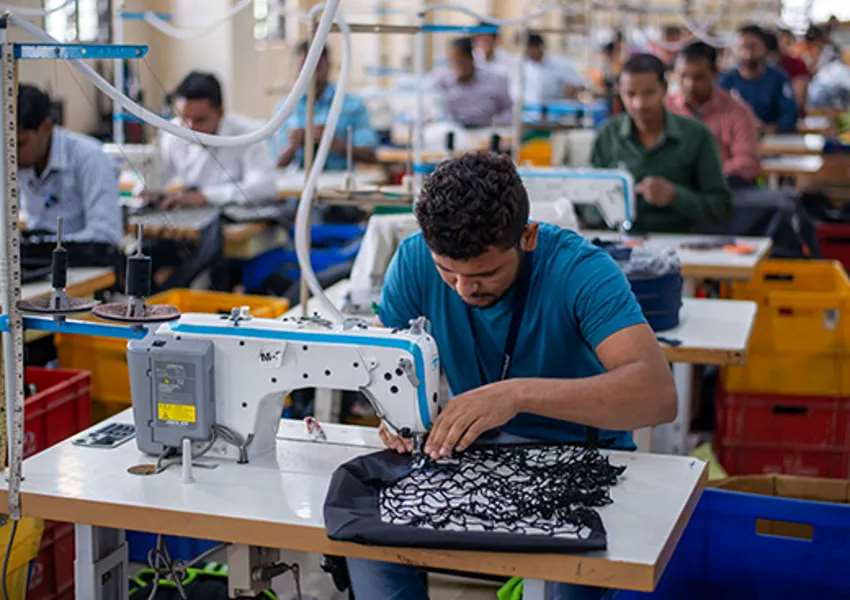
The package offers Rebate of State Levies, labor law reforms, additional incentives under the Amended Technology Upgradation Fund Scheme and some income tax relaxation. A 40 per cent subsidy is being provided for setting up textile parks. A scheme has been launched for boosting production in knitting and knitwear clusters. The Samarth scheme will train 10 lakh youngsters for a period of three years at an estimated cost of Rs 1300 crores. Total compensation under the remission of state levies scheme and a new scheme to reimburse against embedded central taxes (even after the GST rollout) will be raised to 6.05 per cent (of freight-on-board value) for garments and 8.2 per cent for made-ups from the current 1.7 per cent and 2.2 per cent respectively.
- 1
- 2
- 3
- 4
- 5
- 6
- 7
- 8
- 9
- 10
India’s textile trade gets a Pacific push as New Zealand FTA removes tariff barr…
India and New Zealand have inked a ‘once-in-a-generation’ Free Trade Agreement (FTA), one that will have a profound impact on... Read more
Lululemon’s world-first nylon circularity push signals a new apparel arms race
The global apparel industry’s circularity narrative is entering a more technically demanding phase. Polyester recycling once the flagship of sustainable... Read more
Beyond the DTC Rush: Levi’s hybrid channel strategy sets a new retail benchmark
The global apparel sector is entering a phase where channel strategy is no longer a tactical lever but a core... Read more
The New Rules of Resale: EPR turning secondhand into fashion’s strategic growth …
The global fashion industry is facing a decisive regulatory and commercial reset. What began as a sustainability narrative around reuse... Read more
The 2027 Mandate: Why denim’s future hinges on verifiable data
For decades, the global denim industry has relied on a narrative of durability, heritage, and authenticity. That narrative is now... Read more
Europe’s textile core unravels as costs, imports and policy pressure bite
Europe’s textile and apparel sector, long seen as a benchmark for craftsmanship and industrial depth, is slipping into a prolonged... Read more
Automation, innovation, regulation are the forces shaping textiles in 2026
The global textile sector has entered a new era. Early 2026 saw the industry breach a $1.06 trillion valuation, reflecting... Read more
The new Brussels rulebook, every EU apparel order is now a balance-sheet risk
The humble export order sheet is undergoing a transformation. What was once a straightforward commercial instrument: SKU, volume, FOB price,... Read more
Why 2026-27 could be a defining cotton year for India’s farm-to-fashion economy
The global cotton economy is entering a more constrained phase, and for India, the implications run far beyond the farm... Read more
Luxury resale’s next big battle is no longer digital, it is about who controls s…
For nearly a decade, the luxury resale story was written in the language of platforms. Market leadership was measured by... Read more