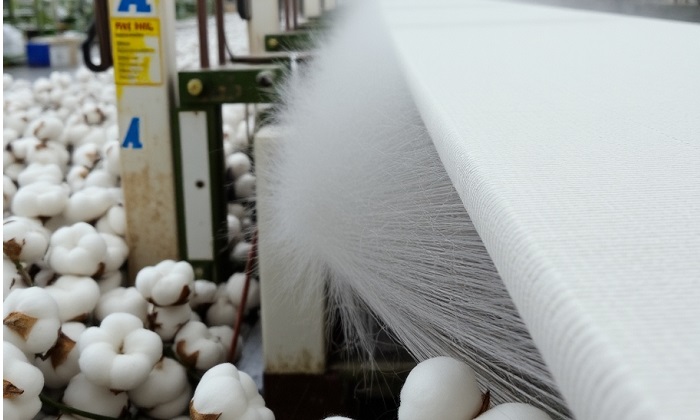
India has recalibrated its regulatory framework for the textile and apparel (T&A) sector, signaling a strategic transition toward ease of doing business while maintaining high-quality benchmarks. In early 2026, the Ministry of Textiles announced a significant extension for the mandatory Quality Control Order (QCO) on cotton bales, deferring enforcement until August 27, 2026. This decision provides critical breathing room for the domestic ginning industry, which is predominantly comprised of MSMEs, to upgrade to Bureau of Indian Standards (BIS) requirements without disrupting the supply chain for downstream garment exporters.
Furthermore, the government has rescinded QCOs on several man-made fiber (MMF) raw materials and imported textile machinery. By removing these non-tariff barriers, industry leaders expect a reduction in input costs by roughly 10 per cent to 15 per cent, particularly for high-performance fabrics and specialty yarns sourced from global markets. The removal of these restrictive orders is a milestone that allows Indian manufacturers to access advanced technology and raw materials at internationally competitive prices, stated a representative from the Southern India Mills’ Association (SIMA). Combined with the new National Fiber Scheme introduced in the 2026-27 Union Budget, this policy shift aims to position India as a resilient alternative to regional competitors like Vietnam and Bangladesh by ensuring a stable, high-quality material pipeline for the $165 billion domestic textile market.
The Ministry of Textiles formulates and implements policies to enhance India’s fiber-to-fashion value chain. Managing key schemes like PM MITRA and Samarth 2.0, the ministry focuses on man-made fibers, technical textiles, and traditional handicrafts. It aims to achieve $100 billion in exports by 2030 through infrastructure modernization and global market diversification.