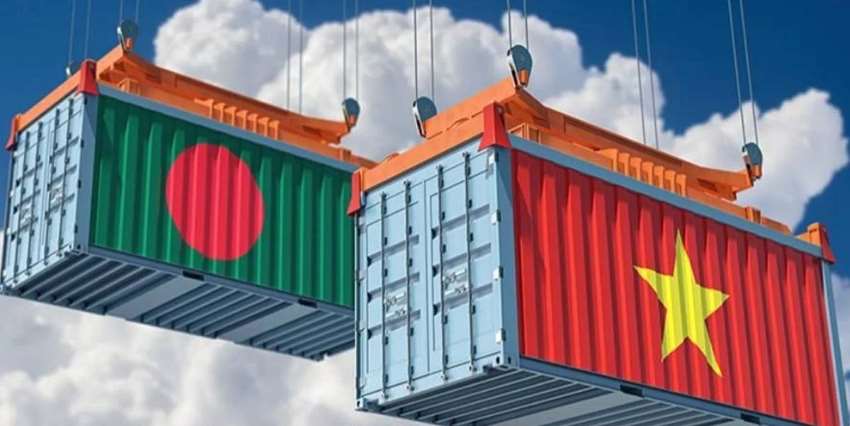
The Ministry of Textiles aims to insulate India’s apparel export sector from global supply chain volatility by extending Rebate of State and Central Taxes and Levies (RoSCTL) scheme until September 30, 2026. The Ministry aims to lock in the rebate rates between 5.5 per cent and 7 per cent of the Free on Board value for the next two years to provide the cost certainty required to secure high-volume contracts from Western retailers. This policy continuity is particularly significant as manufacturers in competing hubs like Bangladesh navigate domestic industrial unrest, positioning India as a reliable alternative for long-term sourcing.
Capitalizing on duty neutralization to drive scale
The extension addresses a fundamental requirement for the ‘made-ups’ and garment industry: the neutralization of embedded taxes that are not covered under the Goods and Services Tax framework. Industry data suggests, maintaining this liquidity allows exporters to reinvest in vertical integration and sustainable manufacturing technologies. Experts indicate, without this rebate, Indian products would face a 5 per cent to 6 per cent price disadvantage in price-sensitive markets like the EU and the US. This extension is not merely a subsidy but a vital tool for cost-competitiveness that allows exporters to match the aggressive pricing of duty-free nations, noted a senior trade consultant tracking South Asian textile hubs.
Synergy with infrastructure and sustainability goals
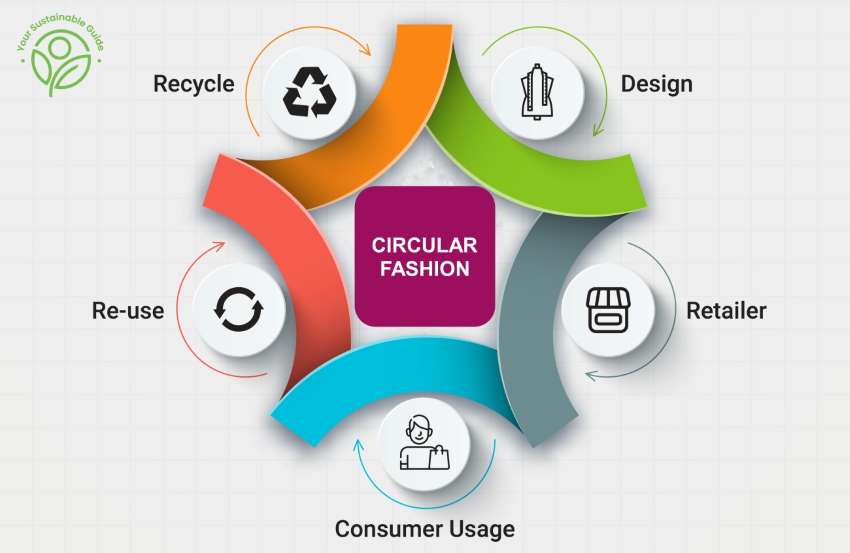
Beyond immediate tax relief, the RoSCTL extension integrates with the operationalization of the PM MITRA mega textile parks. This dual approach of fiscal support and infrastructure development aims to assist the sector in reaching its ambitious $100 billion export target by 2030. As global brands increase their focus on ESG compliance, the financial headroom provided by these rebates is expected to facilitate the transition toward circular production models and the adoption of traceable supply chain standards mandated by new international trade regulations.
Operational footprint and future outlook
India is a leading global supplier of cotton garments and home textiles, primarily serving the US and European retail markets. The industry is currently modernizing production facilities to increase the share of man-made fiber exports. Historically a fragmented sector, it is now consolidating to achieve economies of scale and double-digit growth.