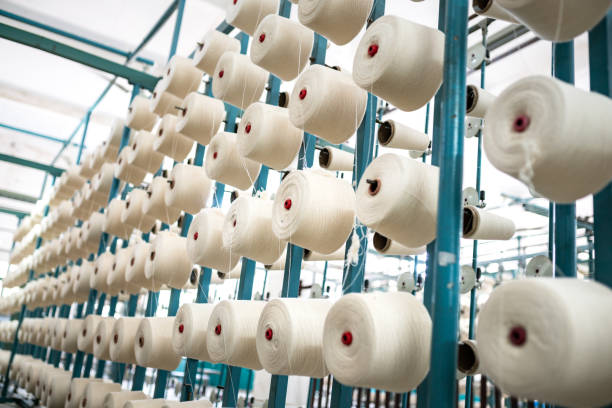
The structural divergence between raw material supply chains and finished consumer goods is creating fresh friction within India’s textile ecosystem. According to the latest trade figures from the Ministry of Textiles, outbound shipments of raw cotton yarn, blended fabrics, and synthetic man-made fibers registered a steady growth of 3.59 per cent. This upstream resilience, however, failed to stabilize the downstream manufacturing sector. Punitive tariff realignments in North American markets and escalating cross-border disruptions in West Asia heavily depressed higher-margin segments, triggering an 11.66 per cent contraction in finished apparel exports over the exact same period.
Tariff disadvantages squeeze manufacturing margins
The contraction reveals critical vulnerabilities in domestic factory utilization and labor-intensive production lines. While global sourcing hubs remain eager to secure Indian fiber mills and raw yarn, international fashion conglomerates are increasingly rerouting finished garment contracts to competing trade territories that operate under zero-duty bilateral agreements.
Export-oriented manufacturing requires sustained external demand engines to remain viable, observed a research director specializing in international trade economics. When basic raw materials grow but final wearing apparel collapses, it indicates an inverted structural pattern where domestic factories are losing global market share to lower-cost regional players.
Raw fiber trade dominance
India operates as a primary global source for cotton yarn, synthetic fibers, and value-added traditional handicrafts, catering primarily to processing mills across the United States, the European Union, and emerging manufacturing hubs in the Middle East.
Current state trade strategies focus heavily on expanding market reach across 120 alternative destinations through recently signed free trade agreements. The financial outlook remains tethered to newly introduced productivity missions aimed at lowering domestic logistics overheads to protect thinning export margins.