US President Donald Trump is willing to explore re-entering the Trans-Pacific partnership trade deal, while emphasizing that Washington should receive the original terms. Toshimitsu Motegi, Japan's minister in charge of TPP feels President Trump is correctly appraising the significance and effects of the TPP, it's something that would want to welcome. However, he added that the 11 participating countries share the thinking that it would be extremely difficult to take out part of the TPP and renegotiate or change it. Japan wants to ascertain Trump's thoughts on trade policy through a summit between the US leader and Prime Minister Shinzo Abe in Florida next week. Trump directed US Trade Representative Robert Lighthizer and Larry Kudlow, director of the National Economic Council, to look into rejoining the pact. The US withdrawal from the TPP shortly after Trump's inauguration last year made Japan the largest of the 11 Pacific Rim economies left in the deal. Those countries signed a new version last month that had been revised to account for the US absence. Finance Minister Taro Aso suggested that Trump's shift on the pact should be approached with caution as Trump can be temperamental and might say something different the next day. The shift comes amongst a developing trade dispute between the United States and China, which did not take part in the TPP.The 10 other TPP members are Australia, Brunei, Canada, Chile, Malaysia, Mexico, New Zealand, Peru, Singapore and Vietnam.


- 1
- 2
- 3
- 4
- 5
- 6
- 7
- 8
- 9
- 10
Trade pacts, integrated manufacturing power India’s textile export ambitions

Global apparel sourcing is entering a new phase in which resilience, compliance and manufacturing depth matter as much as cost... Read more
Next-gen digital Indigo systems redefine textile manufacturing economics
The global textile sector is experiencing a structural shift as industrial-scale digital dyeing technologies replace traditional indigo vats in major... Read more
Fashion retail’s physical comeback, stores become experience hubs

Online shopping has permanently altered fashion consumption, making convenience, algorithmic recommendations, endless assortment and doorstep delivery standard expectations. Yet the... Read more
India reworks apparel export strategy as US tariffs squeeze margins
As tariff volatility, shorter retail buying cycles and aggressive price negotiations in the US expose weaknesses in the country’s traditional... Read more
MIT’s recyclable yarn could disrupt spandex’s grip on fashion
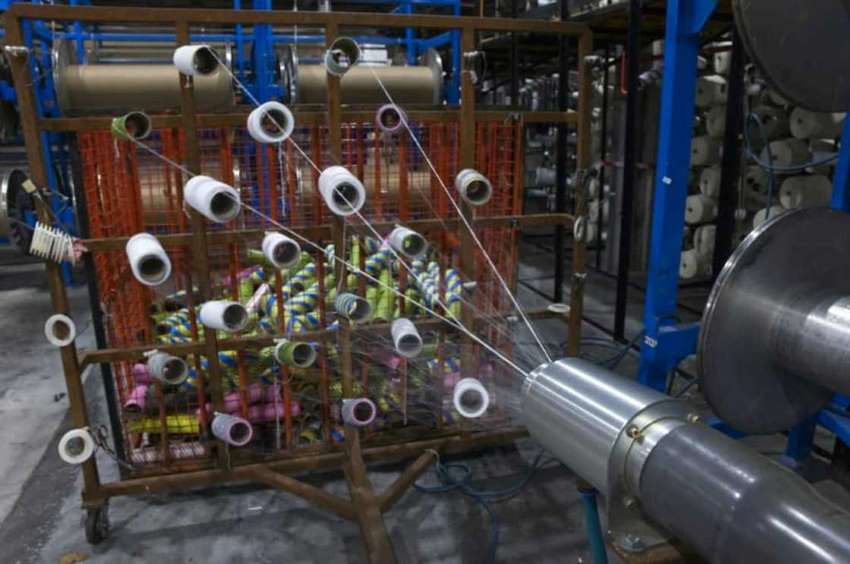
Stretch has become essential to modern fashion. Activewear, denim, underwear and athleisure all depend heavily on elastic fibres such as... Read more
Speed, synthetics and trade pacts propel Vietnam past Bangladesh
Vietnam has overtaken Bangladesh to become the world's second-largest exporter of ready-made garments (RMG), marking more than a symbolic change... Read more
The €2,150 Question: Can Europe afford circular fashion at scale?
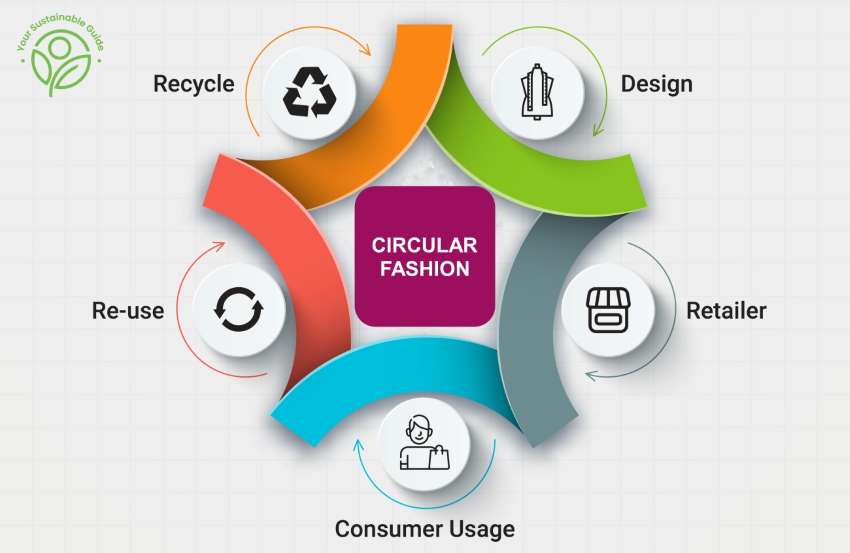
Europe's push to build a circular textile economy is facing an uncomfortable commercial truth. The technology capable of producing virgin-quality... Read more
From cotton peaks to polyester pressures, textile supply chains face a reset
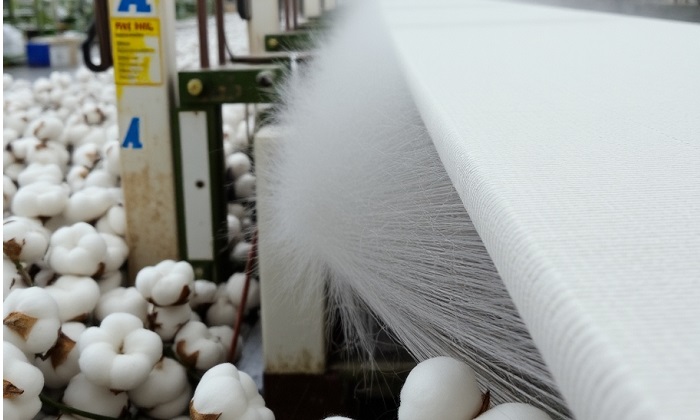
The assumption that textile supply chains can absorb periodic swings in cotton prices has become untenable. During the first seven... Read more
Global sourcing reset exposes India’s apparel competitiveness gap

The assumption that global apparel sourcing would naturally shift from China to India is proving increasingly misplaced. Fresh trade data... Read more
The new fashion equation, quality, agility and value replace speed and discounts

The traditional order that once separated low-cost fast fashion from premium luxury is steadily breaking down as consumers become more... Read more

