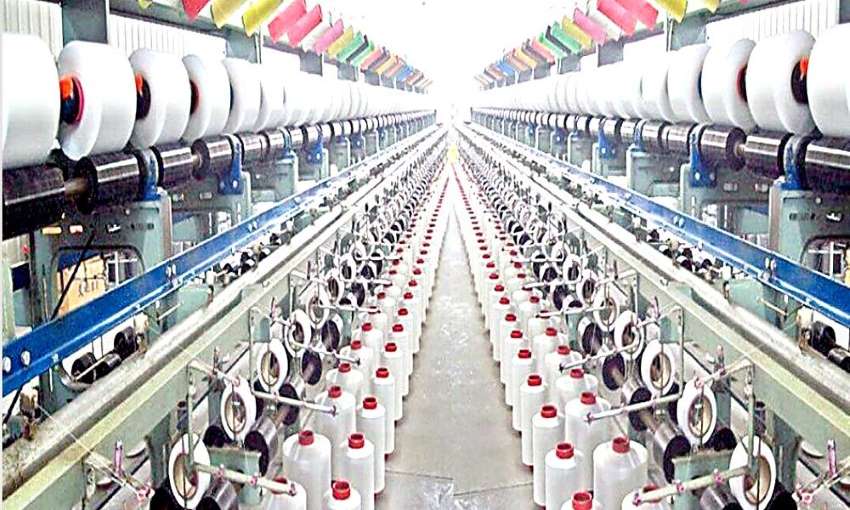
Surat remains the undisputed heart of India's man-made fibre (MMF) textile industry. The Gujarat cluster produces nearly 65 per cent of India's synthetic fabrics and manufactures close to 60 million metres of woven fabric every day, making it indispensable to the country's apparel value chain. Synthetic textiles now account for more than half of India's $165 billion textile market, with polyester alone accounting for around 38 per cent of total demand.
Despite this enormous manufacturing base, Surat continues to operate largely as a supplier to India's domestic market. India's overall share in global textile and apparel exports has remained stuck at about 4.1 per cent, well behind China, while export-oriented clusters such as Tirupur dominate premium cotton apparel. As global brands increasingly source performance wear, sportswear and technical textiles, Surat faces mounting pressure to move beyond low-margin commodity production and become a globally integrated manufacturing hub.
Table: India's synthetic textile market
|
Parameter |
Value |
|
Share of India's synthetic fabric production |
65% |
|
Daily fabric production |
60 mn metres |
|
Share of India's textile market represented by synthetic fabrics |
52% |
|
Polyester's market share |
38% |
|
India's share in global textile exports |
4.10% |
Raw material dependence
Although Surat excels in weaving, dyeing and fabric processing, one critical weakness lies upstream. Much of the specialised multi-filament polyester, nylon yarns, microfibres and advanced chemical inputs used by local mills are imported, primarily from China. This dependence has exposed manufacturers to repeated disruptions. Regulatory changes, shipping bottlenecks and geopolitical tensions have combined to make sourcing increasingly unpredictable.
Government measures such as the Bureau of Indian Standards (BIS) Quality Control Orders and the Directorate General of Foreign Trade's minimum import price on synthetic knitted fabrics were introduced to strengthen domestic manufacturing. However, many midstream textile producers argue that these policies unintentionally tightened supplies of specialised yarns that remain unavailable in sufficient quantities within India.
The situation worsened during the Red Sea shipping disruptions, which sharply increased freight costs and delayed deliveries. In several specialised polymer categories, raw material prices reportedly rose by as much as 65 per cent, squeezing already thin operating margins and disrupting production schedules.
Margins under pressure
The financial strain is particularly severe because Surat's textile sector is dominated by thousands of small and medium-sized units operating on narrow margins. Unlike integrated textile manufacturers, these businesses have limited bargaining power when raw material costs spike.
|
Clusters as of 2026 |
Surat hub |
Tirupur hub |
Ahmedabad hub |
|
Primary Specialization |
MMF Woven Fabrics |
Cotton Knitwear |
Denim & Cotton |
|
Annual Cluster Output / Value |
$2.8 bn |
$4.2 bn |
$3.5 bn |
|
Total Manufacturing Units |
40,000+ micro-shops |
8,500+ integrated plants |
250+ large-scale mills |
|
Average Profit Margin Range |
5% to 8% |
12% to 15% |
8% to 10% |
|
Zero Liquid Discharge Compliance |
58% |
92% |
72% |
Global trade conditions have added further uncertainty. Higher import tariffs in major export markets and stricter sustainability regulations have made international expansion more difficult for Indian manufacturers even as they seek to diversify beyond domestic demand. As Ashish Gujarati, former president of the Southern Gujarat Chamber of Commerce and Industry (SGCCI), points out the industry's challenges extend beyond shipping disruptions. Even after customs duty exemptions on several petrochemical inputs, domestic yarn prices have remained elevated. Combined with higher logistics costs, this has put pressure on the working capital of small and medium-sized textile manufacturers.
Shifting the business model
Some Surat manufacturers are responding by moving away from commoditised fabric production. One example is Vtex Fabrics, which saw a sharp increase in the cost of imported nylon filament and polyester warp yarns. Rather than continue competing in low-margin grey fabric, the company reduced production on conventional water-jet looms and shifted capacity toward customised, value-added fabrics for domestic apparel brands. They also increased in-house texturising capabilities and diversified sourcing by procuring specialised polymers from domestic suppliers wherever possible. These changes reduced exposure to volatile import costs while allowing it to maintain stable pricing for retail clients.
The strategy reportedly helped the business achieve a 14 per cent year-on-year increase in revenue despite difficult market conditions, demonstrating that product differentiation can offset some of the risks associated with raw material volatility.
Building a competitive future
Surat's long-term competitiveness will depend on strengthening its upstream supply chain while modernising manufacturing infrastructure. The revised Production-Linked Incentive (PLI) scheme has lowered investment thresholds to encourage medium-sized MMF and technical textile manufacturers to expand capacity. This has opened opportunities for companies that previously lacked the scale required to participate in government incentives.
Technology upgrades are also improving productivity. Many manufacturers are replacing older shuttle looms with advanced air-jet and water-jet weaving systems capable of increasing production efficiency by around 35 per cent, while also improving fabric quality and reducing waste. Investment in Gujarat's PM MITRA mega textile parks is expected to further strengthen the sector by providing common effluent treatment facilities, integrated infrastructure and access to cleaner energy. These industrial parks could encourage greater domestic production of specialised fibres, yarns and chemical inputs, reducing dependence on imported raw materials.
For Surat, the challenge is no longer simply expanding production. The cluster already operates at enormous scale. Its future will depend on building a resilient upstream ecosystem capable of supplying specialised materials domestically while supporting higher-value technical textiles demanded by global brands.
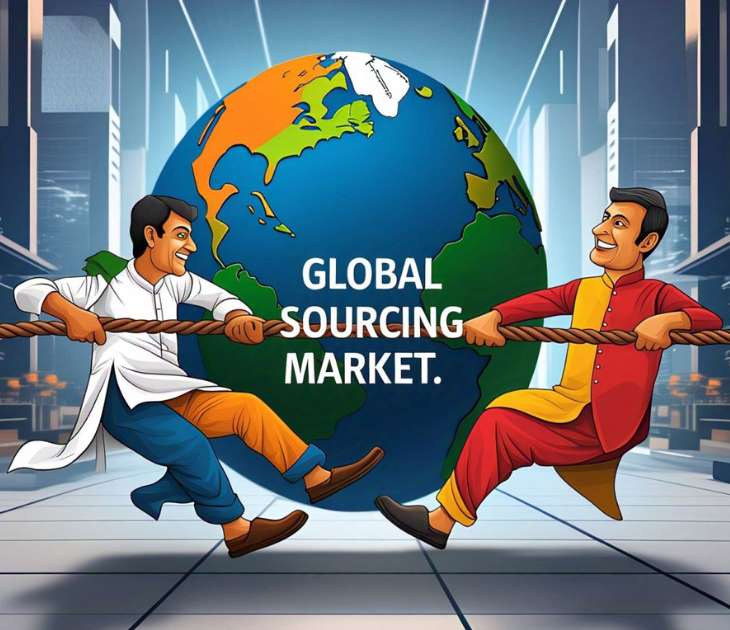
If the city can reduce its reliance on imported inputs and continue investing in advanced manufacturing, it will be better positioned to benefit from the global China Plus One sourcing strategy. Without that shift, however, Surat risks remaining one of the world's largest producers of synthetic fabrics while missing the higher margins available in international value-added textile markets.