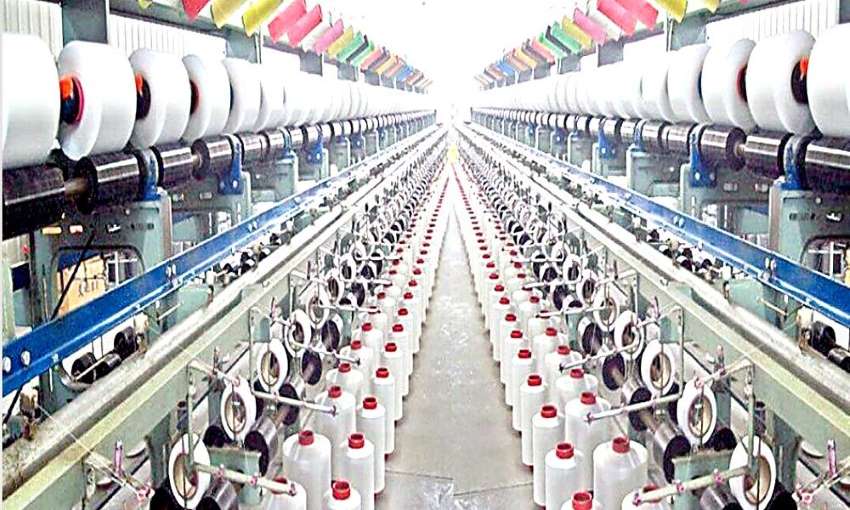
The Karnataka government has earmarked 1,000 acres for the upcoming textile park at Yadgir in north Karnataka. The government intends to also develop an integrated park at Yadgir. The state government has acquired around 3,300 acres in Yadgir district, of which about 1,000 acres will be used for setting up the textile park. The construction of the park, in the most backward region of the state, is likely to improve condition of cotton growers and weavers besides generating employment for a large number of people.
The government is also planning to develop smaller textile parks at various places such as Vijayapura, Ballari and Chamarajanagar districts. The government wants industries to move away from the congested Bengaluru region. It intends to revise its textile policy and has sought views and comments from the stakeholders of the textile industry.
The central government has come out with a scheme of integrated textile parks in the country. Till now, several proposals have come and by March this year, around seven to eight parks will be approved. State governments have been asked to come forward and identify large areas for setting up of mega textile parks. Each of these mega textile parks will be on at least 2000 acres to 5000 acres so that foreign direct investment could be attracted.
- 1
- 2
- 3
- 4
- 5
- 6
- 7
- 8
- 9
- 10
China’s duty-free revival meets a reality check as Hainan shifts from VICs to va…
Hainan’s retail recovery is beginning to look less like a cyclical rebound and more like a rewiring of China’s domestic... Read more
Zombie inventory and shrinking margins inside China’s fashion returns meltdown
China’s digital fashion market, long celebrated as the world’s most sophisticated test bed for e-commerce innovation, is facing a destabilising... Read more
Circularity by Design: How EU rules are turning data into fashion’s new currency
The European fashion sector has entered a compressed transition window. Two regulatory confirmations: the revised EU Textile Labelling Regulation (effective... Read more
The Lyst Reset: Chanel and Dior rewrite luxury’s power index
The global luxury hierarchy has been quietly rewritten, and not by sales alone. In Q1 2026, Chanel rose to the... Read more
Inventory, not expansion, defines winners in global apparel
The 2025 fiscal year has crystallised that revenue growth and operational health are no longer moving in tandem. In an... Read more
From growth-at-all-costs to cash discipline, the new economics of DTC fashion
The global direct-to-consumer apparel market is entering a correction phase, as fashion brands across the US, Europe and the UK... Read more
Britain’s Forgotten Growth Engine: Why policy gaps are undermining fashion and t…
Britain’s fashion and textile industry, often framed through the lens of creativity and design, is emerging as a case study... Read more
Beyond price rallies structural reform can strengthen India’s cotton economy
India’s cotton economy is entering a decisive phase, where firmer prices and tighter arrivals in the 2026-27 season have given... Read more
Polyester volatility redraws India’s textile industry competitive map across Asi…
India’s synthetic textile industry has entered a phase of cost instability as polyester staple fibre (PSF) prices rise across domestic... Read more
The £7 Billion Question: Who pays for fashion’s ‘free rental’ habit?
The global fashion industry is facing an uncomfortable paradox: its most valuable customers may also be its most destructive. A... Read more