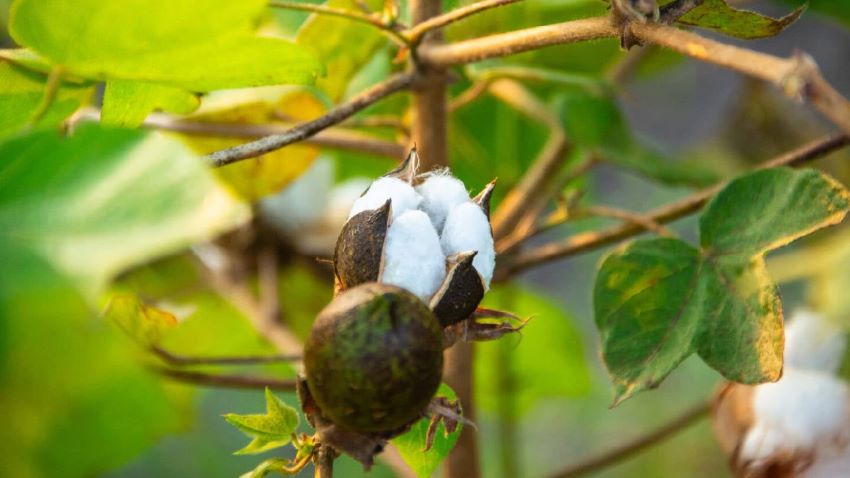
The Khadi and Village Industries Commission (KVIC) will upgrade its six cotton sliver plants. The aim is to increase cotton supply to khadi institutions. The plants' production capacity will be increased by 40 per cent. KVIC will spend about Rs 40 crores on the upgradation of the plants. More such sliver plants may be set up. Another plan is to encourage prison inmates to take up khadi production and provide a platform at KVIC's khadi outlets. If this works the scheme will be extended to prisons across the country.
Recognising the importance of enhancing the wages of khadi artisans to a moderate level, and in order to ensure that the profession provides sustainable life support, the commission will increase the remuneration per hank. This will increase the income of over 1.5 million khadi artisans across India. Higher wages are expected to help improve khadi production in India.
KVIC has set a target of Rs 2000 crores of sales of khadi and village industries products in the year 2016-17. Last year sales stood at Rs 1510 crores. Going forward, KVIC is aiming at sales worth Rs 5,000 crores in the next two years. KVIC is also setting up export cells to promote overseas sales of the products.
- 1
- 2
- 3
- 4
- 5
- 6
- 7
- 8
- 9
- 10
Turning the supply chain upside down, on-demand production reshapes apparel
The global fashion industry, long celebrated for its creativity and scale, is facing a structural reckoning. For decades, retailers and... Read more
Intertex Milano 2026 - A global nexus for textile innovation
Intertex Milano is set to return this summer, confirming its status as a premier international destination for the textile and... Read more
Primark at crossroads as AB Foods weighs spin-off amid digital and Lefties press…
The long-standing supremacy of Europe’s budget fashion champion, Primark, is facing a test. As of February 2026, Associated British Foods... Read more
Vietnam, Bangladesh, Cambodia drive US apparel imports in 2025
The 2025 year-end data for the US apparel sector reveals an industry in structural flux. Despite aggressive tariff measures and... Read more
The New Dress Code: Sportswear’s takeover of modern wardrobes
For much of the last decade, fashion retail has been defined by volatility. Trends have shortened, discount cycles have intensified... Read more
Hemp finds its moment in India’s $500 billion American trade calculus
In the grand arithmetic of India’s expanding trade engagement with the US, the headlines usually gravitate toward oil cargoes, aircraft... Read more
EU PET spunbond imports under scrutiny, misclassification sparks regulatory and …
The European nonwovens and technical textiles sector is facing an unprecedented compliance crisis as a rise of customs misclassification threatens... Read more
From atelier to algorithm, Gucci is redefining premium marketing
As Milan welcomes the Primavera 2026 fashion calendar, the spotlight is fixed not just on the runway but on Gucci,... Read more
America’s Store Split: Why discount retailers are winning as department stores s…
By early 2026, the American retail industry no longer resembles a single marketplace moving in one direction. It feels more... Read more
Europe’s Textile Crisis: The sovereign fibre trap and the race against China
By early 2026, the European textile and apparel sector finds itself at a crossroads that challenges traditional market logic. Unlike... Read more