Sri Lanka has acquired a reputation for handloom products. The combination of traditional designs blended with modern processing techniques has created a lot of demand for Sri Lankan handlooms in international markets.
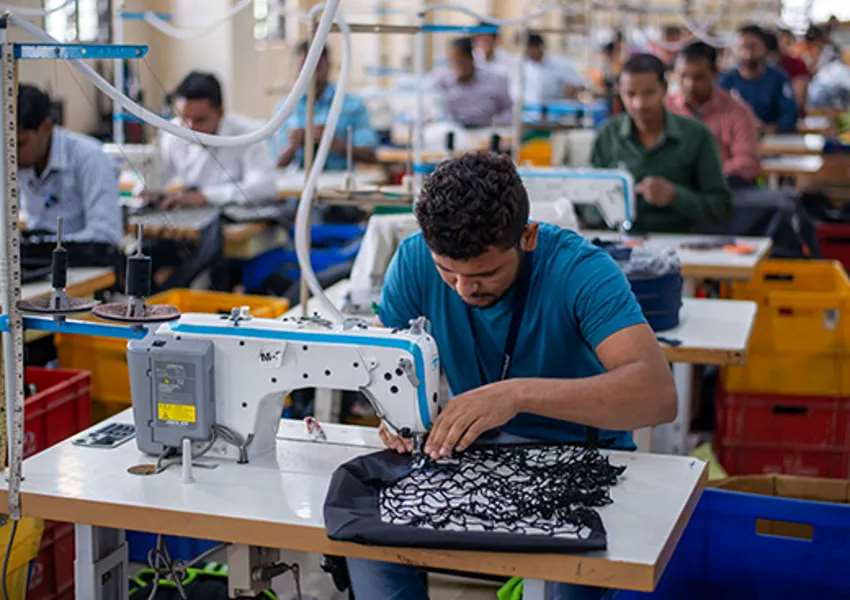
Around 900 private handloom producers, small, medium and large operate, in the country. The handloom textile industry is a highly labor-intensive, export-oriented rural-based. Handloom textiles are produced in Sri Lanka within the confines of a small-scale industry that generates employment for rural women. Among the handloom textiles produced are: household linen such as bed clothes and towels, upholstery materials, furnishing materials such as curtains, cushions covers, saris and sarongs.
Books, notebooks, albums, and even writing pads are now clothed with this handcrafted material of textile. Handloom woven cotton and silk textiles of vibrant colors have been popular among locals as well as tourists. Italy, Germany, France, UK, Norway, Netherlands, Maldives and Thailand are the main markets for Sri Lankan handloom products.
Lankan weavers have succeeded in creating a distinct identity of their own by transforming traditional woven patterns and color schemes into beautiful textile designs. Fabrics manufactured in Sri Lanka are mostly of cotton with relatively small quantities of rayon and polyester cotton. Sri Lanka also produces a range of products by using silk yarn.

- 1
- 2
- 3
- 4
- 5
- 6
- 7
- 8
- 9
- 10
Trends-Fabrics (Denim-Kidswear) trends for Spring/Summer 2026-27 by Drapers
For the Spring/Summer 2026-27 season, the kidswear denim market is defined by a shift toward lightweight comfort, playful aesthetics, and... Read more
Cost spiral across fibers, chemicals and logistics squeezes India’s apparel expo…
India’s textile manufacturing sector has entered one of its most financially strained periods in recent years as increasing fiber, yarn,... Read more
How India’s textile recycling network is becoming a global ESG blueprint
India’s textile industry is mounting an aggressive defence against growing international criticism that developing economies are becoming dumping grounds for... Read more
Cotton trade under pressure as war risks and tariff chaos raise apparel costs
The global textile and apparel industry is entering a high-stakes period of volatility as the ongoing Iran war creates a... Read more
Copenhagen GFA summit 2026 signals reset in global apparel finance
" " The global apparel, textile, and fiber manufacturing industries are entering a decisive phase of financial and operational realignment, as... Read more
Global apparel supply chains realign as India navigates trade volatility
The global apparel and textile sector is experiencing a significant structural shift, as major manufacturers and retailers move away from... Read more
India’s textile sector targets global supply chain shift with $100 bn export pus…
As global brands push up efforts to diversify sourcing beyond traditional manufacturing hubs, India is repositioning its textile industry through... Read more
India balances farm interests and export ambitions with temporary cotton import …
" " The textile industry has received a policy reprieve after the Ministry of Finance eliminated the 11 per cent import... Read more
Global supply chain strain deepen as fashion brands tighten sourcing costs
The global apparel industry is dealing with growing sourcing tension as big fashion retailers intensify efforts to reduce procurement costs... Read more
From Voluntary to Mandatory: Asia’s manufacturing hubs lock in green compliance …
The multi-billion-dollar Asian apparel export market is entering a enforced sustainability era, where environmental and labour compliance is no longer... Read more