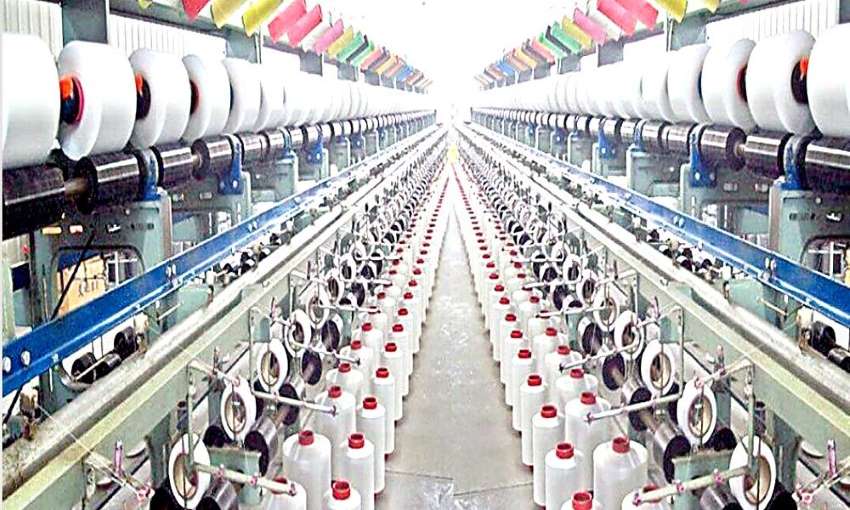
Sales of cotton grey fabric market in China are still lukewarm. There are no large export orders and customers and weavers prefer short-distance and fast orders. Second, due to the epidemic, fabric mills were shut down, overseas customers chose to cancel or transfer orders to other countries. So, grey fabric orders in the downstream will shrink significantly.
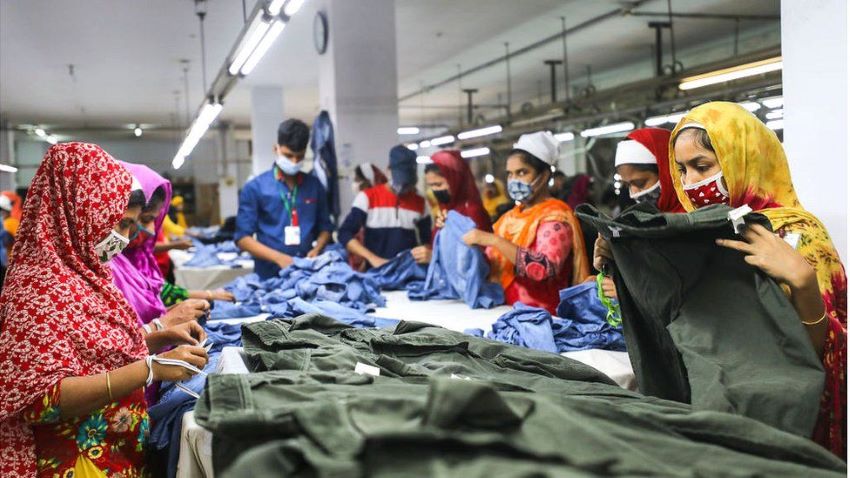
Compared to previous years, this year's weaving mill shipments are significantly lower. Compared with the operating rate in recent years, that in 2020 is at a lower level. As of now, the rate is less than 50 per cent and the recovery speed is also slower. There are specific reasons. First, weavers in Hubei cannot resume work due to strict local epidemic prevention work. Second, due to the restricted store functioning, some mills opted for limited production. They are working below capacity since migrant employees have not yet returned to work.
In March, the market is somewhat lackluster. Downstream traders show weaker enthusiasm to stock up than in the same period of earlier years. The increase in orders is insufficient. So market confidence has weakened. Therefore, judging from the current fluctuations in the prices of upstream feedstock, grey fabric price is unlikely to rise significantly in March.

- 1
- 2
- 3
- 4
- 5
- 6
- 7
- 8
- 9
- 10
Spykar accelerates offline expansion: plans 100 new stores across India
A titan of the Indian denim-first fashion scene, Spykar has officially unveiled an aggressive retail growth strategy. As consumer demand... Read more
The Inventory Illusion: Rethinking the Zara benchmark in a volatile retail era
For over a decade, the global fashion industry has treated the Zara playbook as the gold standard of inventory efficiency.... Read more
Retail Without Retail: How Walmart’s depot network is turning space into logisti…
Walmart is fundamentally rewriting the commercial real estate and retail logistics playbook with the rise of its ‘Walmart Depots’ a... Read more
Global textile regulation tightens, forcing realignment across fashion supply ch…
Global fashion and consumer goods supply chains are entering a decisive regulatory transition as Extended Producer Responsibility (EPR) frameworks for... Read more
Luxury’s new power axis, US dominance, China reset, Gulf surge
As the post-China luxury order takes shape, the US is emerging as the industry’s most dependable growth engine, while Japan,... Read more
India’s $9 Billion Landfill Blind Spot How trashed clothes hold the key to globa…
A massive economic windfall is sitting uncollected in India’s landfills, and the key to unlocking it lies in rethinking how... Read more
Red Sea crisis reshapes textile trade routes, challenges India’s export margins,…
Global apparel trade is now in a new operational phase where geopolitical stability and logistics reliability are as important as... Read more
EU’s textile waste rules enter enforcement phase, raising alarms across fashion …
Europe’s apparel and textile industry is approaching one of its most significant regulatory transitions in decades. As the European Union... Read more
Corporate fashion adopts reverse logistics to unlock the $367 bn resale market
Global fashion retailers are rapidly changing their business models around resale, repair, and textile recovery as the secondhand apparel market... Read more
Tariff Shock 2026: Forced-labor enforcement is repricing global fashion trade
Washington’s latest trade intervention signals a break in the global apparel sourcing patterns. The Office of the United States Trade... Read more