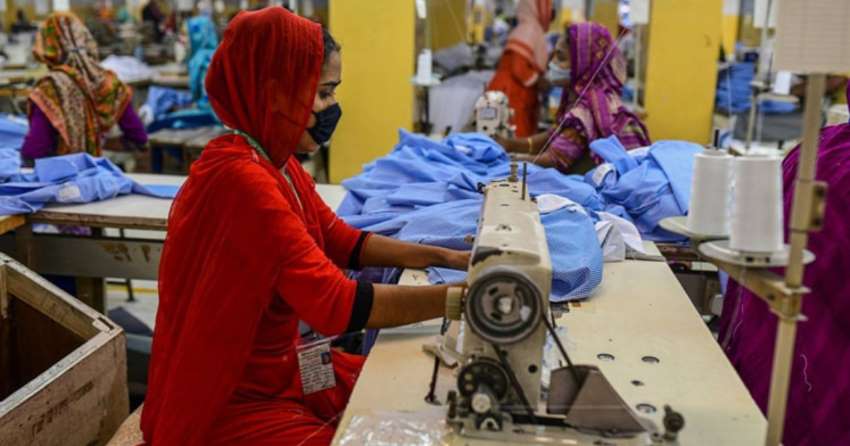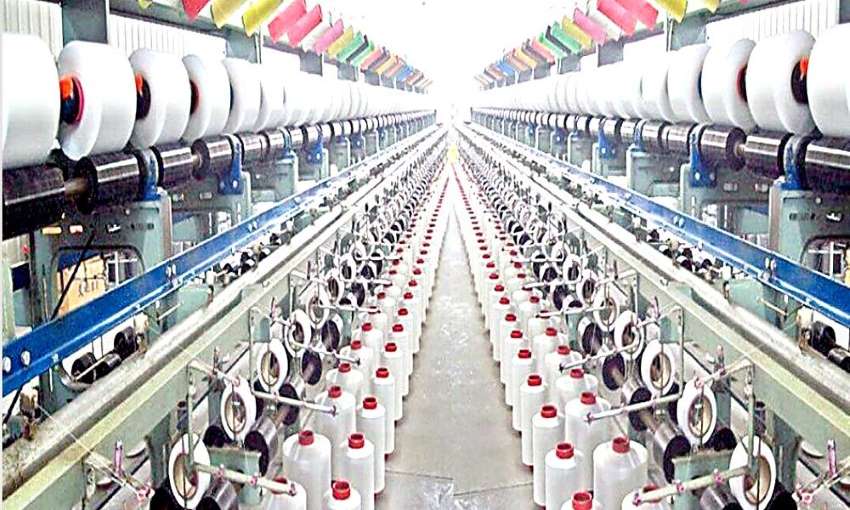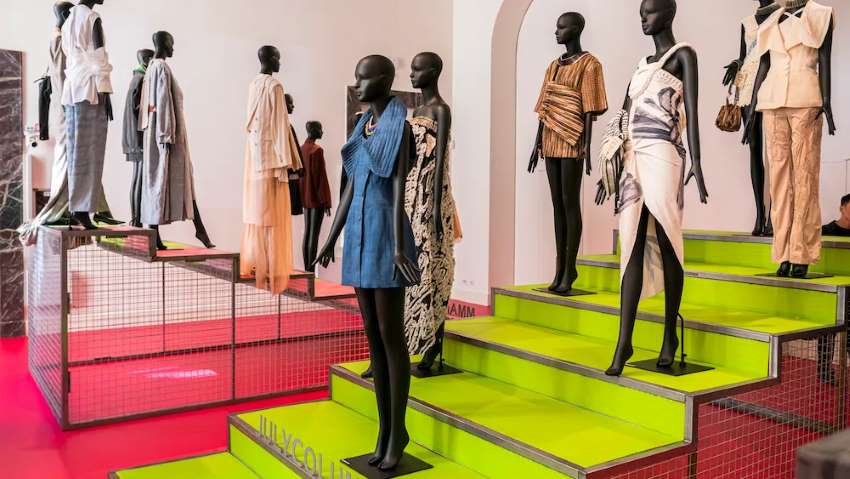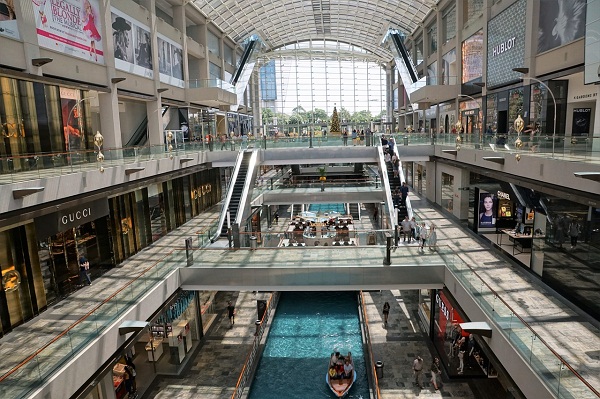
The pandemic has hit the hardest blow to the luxury fashion segment of the apparel industry. Inflation has led to a sharp rise in costs of fibres and technology leading to a massive gap in demand and supply levels. Suppliers of many premium brands have resorted to new business models or sourcing bases from other countries as they try to be accountable for changes in the supply chains.
Inflation a cause of worry
Still dealing with a stock overhang and reduced orders after Covid, it seems lower order volumes will continue to be an issue in 2023 and in the near term. High energy prices, triggered by the Ukraine-Russia war and global logistical disruptions after Covid have been digging deep into the pockets of European fashion apparel customers. While inflation grown ever since the pandemic subsided, Eurostat reported its highest levels in June 2022, when it stood at 8.6 per cent annual rate.
Most global brands are worried about hyperinflation which will lead to rapid and excessive price increases in local markets. Suppliers are already working on tight profit margins and higher costs could ruin the market for both consumers and the sellers. Rising costs of raw materials and energy will only have to be pushed onto the clients.
“We are going into 2023 with expenses increasing for everything. Prices that were agreed at the start of a project six months ago, for example, are being increased due to the rise in overall costs, such as electricity,” says Samuele Shalloufeh, Founder and CEO of Italian-based sourcing agency Benario Consulting, which works with suppliers and manufacturers based in Italy, Europe and the US for large global luxury brands.
Premium segment still absorbing high supplier costing
Fashion suppliers are now focussing on prioritising vertical integration, strengthening relationships with brands and diversifying and simplifying their supply chains to face the new economic situation. Most luxury brand groups such as LVMH, Kering and Chanel are more easily able to absorb increasing costs due to lower sales as they keep revising upwards the price of their most iconic products often during the year. Premium consumers globally have not experienced a huge drop in living standards during or after the pandemic as they have simply re-juggled some other non-essential expenses such as travel, hobbies and other experiential expenditure
“No one could have foreseen this disruption, but now we know the risks we face, and our key lesson has been to build our business in such a way that we can manage this risk effectively. The political and economic turbulence taking place globally makes 2023 a tough year to predict. One challenge we do see is softening market conditions due to brands and retailers having large amounts of stock on their hands, which leads to fewer order volumes coming in. This is likely to continue in the first half of 2023,” says Suren Fernando, CEO of MAS Holdings, South Asia’s largest apparel manufacturer supplying global brands such as Victoria’s Secret, Calvin Klein and Tommy Hilfiger, told Vogue Business.
Experts feel that the global luxury goods prices increased by 15% between January 2021 and January 2022 and although this is not such a problem for labels at the very top end of the spectrum which continue to raise their prices it is indeed a threat for other brands with a more affordable positioning. A closer partnership, better understanding, and greater communication between brands and suppliers are even more important now as we start the new year with a Damocles sword of rising costs and inflation hanging over our heads. Collaborative communication and planning the tipping point when brands begin to push back as well as improving the supply-demand chain is the key for luxury brands this summer of 2023.