The Indian textile and garment industry is preparing for a high-level strategic alignment as the Clothing Manufacturers Association of India (CMAI) and the SU.RE (Sustainable Resolution) initiative convene the Eco-Stitch Sustainability Conclave in Mumbai on April 3, 2026. This summit arrives at a critical juncture for the domestic sector, which currently contributes approximately 2 per cent to India’s GDP but faces intensifying pressure to comply with the EU’s Strategy for Sustainable and Circular Textiles. With the global ethical fashion market projected to reach $10.28 billion by late 2026, the conclave aims to provide a definitive roadmap for medium-scale manufacturers to integrate traceable, low-impact production methods without compromising commercial viability.
Navigating the digital product passport and global trade mandates
The primary focus of the deliberations involves the upcoming 2026 Digital Product Passport (DPP) requirements, which demand total transparency from fiber origin to retail shelf. As India targets $100 billion in textile exports by 2030, domestic titans are reassessing the cost-benefit ratio of green technology. Current data indicates that while sustainable raw materials can carry a 15 per cent price premium, they effectively reduce long-term operational risks associated with carbon border taxes. Sustainability is transitioning from a CSR initiative to a fundamental trade prerequisite, stated a CMAI representative. The event will showcase technical case studies on closed-loop chemical management, a move vital for maintaining the 4 per cent CAGR expected in the Indian apparel export segment through the next fiscal year.
Scaling circularity amidst fragmented supply chain challenges
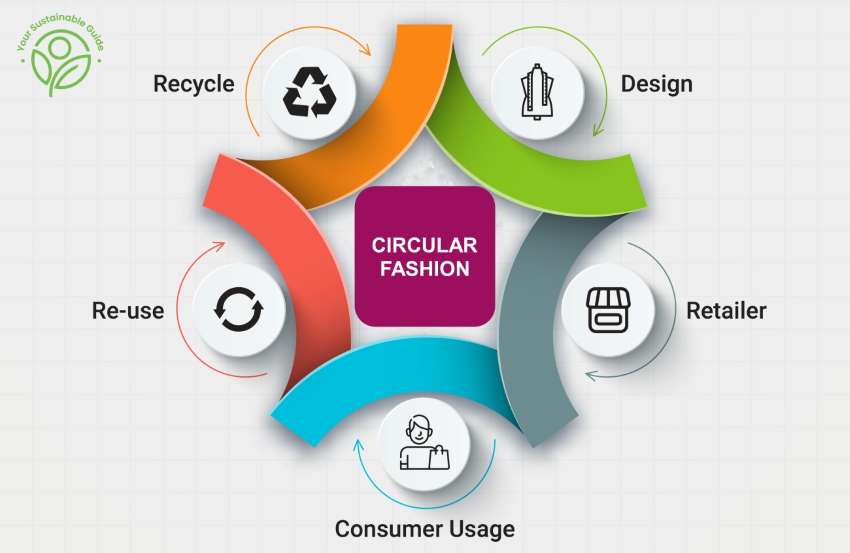
Despite the enthusiasm for ‘green’ manufacturing, the industry must overcome a 25 per cent infrastructure gap in textile recycling facilities to achieve true circularity. The conclave will address state-backed interest subsidies for eco-upgrades, designed to help small and medium enterprises (SMEs) transition toward solar-powered spinning and water-efficient dyeing. By fostering a unified ecosystem between raw material suppliers and global retailers, the Eco-Stitch initiative seeks to insulate Indian exports from global energy volatility. As 52 per cent of urban Indian consumers now actively seek out eco-labeled apparel, the opportunity lies in scaling these sustainable practices to meet both domestic demand and stringent international compliance standards.
Driving ethical manufacturing
The Clothing Manufacturers Association of India (CMAI) is the nation’s premier apparel trade body, representing over 20,000 members. Through its SU.RE initiative, it leads the transition toward circularity in the domestic market, aiming to standardize ESG reporting for Indian brands to secure a Rs 1,200 crore revenue edge by 2027.