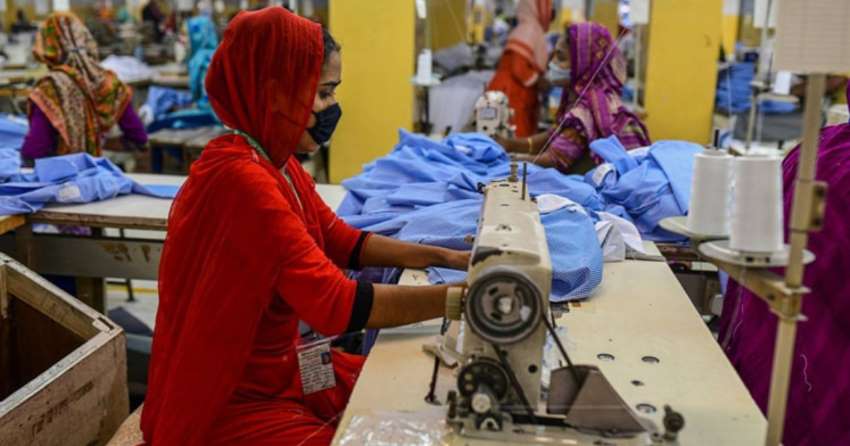
The prospect of Myanmar continuing to be an apparel-sourcing base for many big global brands has been an intense topic of debate since the military coup in 2021.The labor-intensive garment segment is one of Myanmar’s largest employment segments that keeps the country going and accounts for around 30% of the country’s total exports in 2021. However, the growing concerns about the dismal working conditions in Myanmar factories and labor abuses which have worsened under military rule have led to many Western retailers being divided as to whether they will continue trade or not.
Global retailers cite abuse of human rights for exiting
The renowned low-priced fast-fashion European retailer Primark, which sources garments such as raincoats and parkas from around 25 factories in Myanmar, will be exiting soon as it is finding it impossible to ensure the human rights and safety of its workers after the coup which has left the country in turmoil. Primark’s decision follows the departure of other European brands, including Aldi South Group, C&A, and even the giant general retailer of Tesco. Over the past 20 months, some others too, including Norwegian telecommunications firm Telenor ASA and oil-and-gas companies Total Energies SE and Chevron Corp. Aldi South, which also sells products such as cargo shorts and running shoes, have decided to exit. Others such as the European brand along with Tesco have said that political developments and advice from global unions have led to their decision for exiting. Myanmar laborers have no scope to voice grievances since the political leaders stifle democratic institutions, have arrested union leaders and threatened workers' organizations who are seeking to provide human rights.
Others stay on to help workers earn a livelihood
While some global retailers are leaving due to labor abuse issues, others are staying on to take advantage of Myanmar’s low wages for themselves while helping the lower-income bracket workers to preserve their jobs amid political turmoil. Companies such as H&M, Zara-owner Inditex, and Uniqlo-parent Fast Retailing Company are staying on with the premise that many workers in Myanmar depend on international companies for their livelihood.
“If they stop buying, the worst affected will be laborers from the garment industry,” said Ye Naing Win, general secretary of the Cooperative Committee of Trade Unions, a Myanmar labor organization. The Ethical Trading Initiative report estimates that 320,000 workers would lose employment and hit poverty levels or have a drastically reduced income if European buyers withdraw. It didn’t take a position on whether brands should stay or go.
Although some of the big western retail brands stopped sourcing garments after the coup and relocated to other countries like Bangladesh and India, they have again restored purchases in the post-pandemic period. According to United Nations trade statistics, apparel exports to the European Union, the U.S., and Japan in the first half of 2022 were up 29% from the same period last year and around 12% higher than in 2020, which was the year before the coup, However, this quick recovery is in stark contrast to the broader Myanmar economy, which is 13% smaller than it was in 2019, With Myanmar’s outlook as an apparel sourcing base remaining uncertain, it is time that India uses this opportunity to its advantage, as the Western retailers are looking out for other alternatives in Asia.