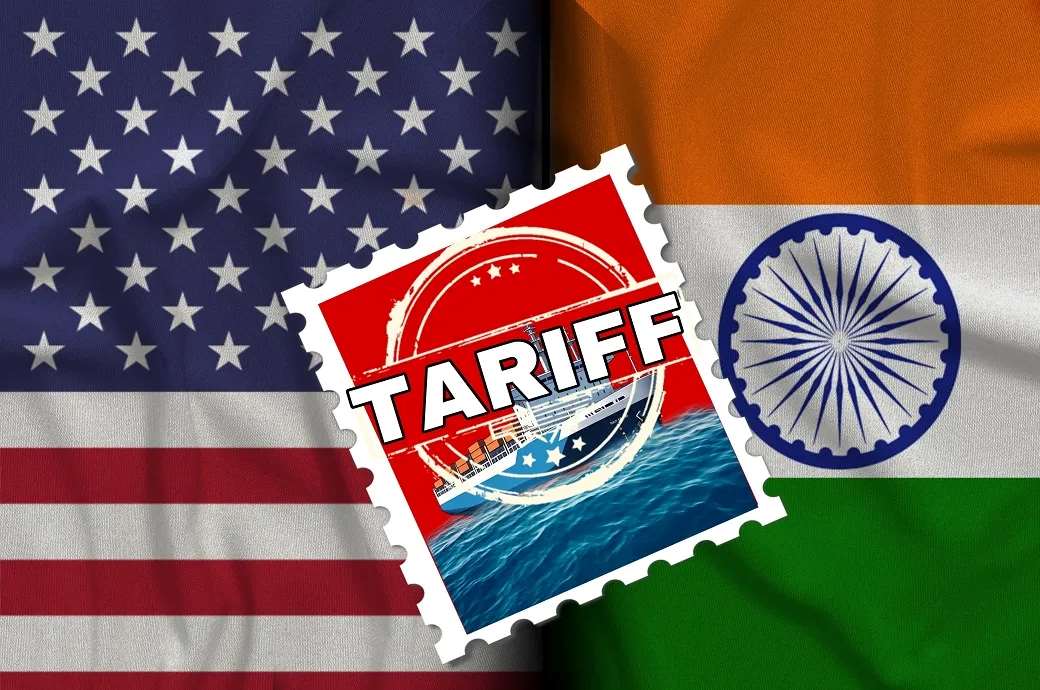
The US fashion industry has secured a landmark legal victory following a 6-3 Supreme Court decision on February 20, 2026, which invalidated billions of dollars in tariffs imposed under the International Emergency Economic Powers Act (IEEPA). Authorizing a decisive end to the executive branch's use of emergency statutes to levy import duties, the ruling establishes,such taxing authority rests exclusively with Congress. For apparel and footwear brands that have been navigating a high-tariff environment since 2025, the decision effectively strikes down the ‘Reciprocal’ and ‘Trafficking’ tariffs that had inflated landed costs and disrupted global sourcing networks.
Legal clarification and financial repercussions
The core of the judicial narrative centers on the limits of the IEEPA, a 1977 law that allows the president to regulate commerce during national emergencies. Chief Justice John Roberts clarified, while the president may ‘regulate’ importation, this does not grant the power to impose monetary exactions without express congressional consent. This distinction is vital for the textile sector, which has already paid more than $133 billion into the federal treasury under these specific measures. Julia Hughes, President, USFIA characterized the ruling as a critical move toward restoring economic predictability, noting that these extra costs have historically stifled new investments in brand expansion and retail technology.
Navigating the refund process and future constraints
While the legal foundation of the tariffs has crumbled, the mechanism for capital recovery remains a primary challenge for importers. The Supreme Court has remanded the remediation process to the US Court of International Trade, creating a complex administrative hurdle for brands seeking to reclaim their funds. The USFIA is currently urging the administration to establish an automated refund process to prevent a protracted ‘liquidation mess.’ However, the relief may be tempered by the administration’s immediate move to reimpose a temporary 10 per cent surcharge under Section 122 of the Trade Act of 1974. This transition signals that while the legal ‘scaffolding’ of previous tariffs is gone, the fashion industry must remain agile as trade policy enters a more fragmented, statute-specific era.
Sector background and strategic outlook
The United States Fashion Industry Association (USFIA) represents the interests of multi-national brands, retailers, and importers dedicated to global trade. Founded to eliminate barriers in the apparel value chain, the association works across major hubs in Asia, Central America, and Europe. USFIA’s current focus is assisting members in auditing historical entries to maximize refund potential while hedging against new Section 301 and 232 investigations. Historically a vocal advocate for free trade, the association has shifted its fiscal outlook toward supporting companies in a high-compliance environment focused on sustainability and supply chain traceability.