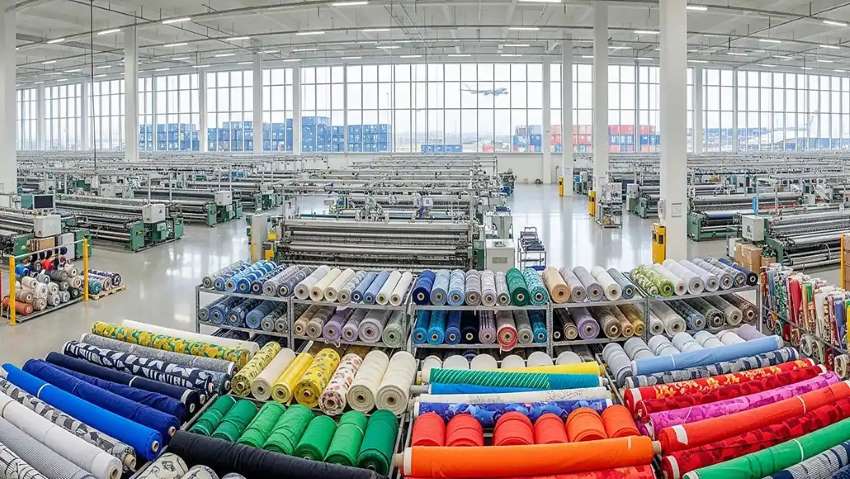
Nigeria is aiming to produce up to 4,50,000 metric tons of cotton in three years. This is part of an effort to revive the textile and garment industry. Up to 3,00,000 farmers will be engaged to achieve this aim in 26 out of the 36 states of the country. Six thousand metric tons of cotton seed have been imported and an additional 2000 metric tons have been sourced locally.
The total expected yield at the end of the current season is 3,02,440 metric tons. Nigeria is aiming at accelerating a sustainable increase in the production and processing of cotton. The cotton sector aims at increasing production by 20 per cent as farmers are encouraged by better returns due to increasing cotton prices and improved yields. At one time Nigeria’s textile industry created over 8,00,000 jobs, representing 25 per cent of the total number of jobs in the manufacturing sector. There were 175 textile mills in the country during its golden era (i.e. 1985 - 1991) out of which all but 27 of them have gone under. Key challenges affecting the sector are lack of cotton lint, smuggling and counterfeiting, inadequate infrastructure, limited access to power and funding. Funds needed by manufacturers to recapitalise have been hampered by the high interest rates charged on loans by financial institutions.
Monday, 23 September 2019 13:09