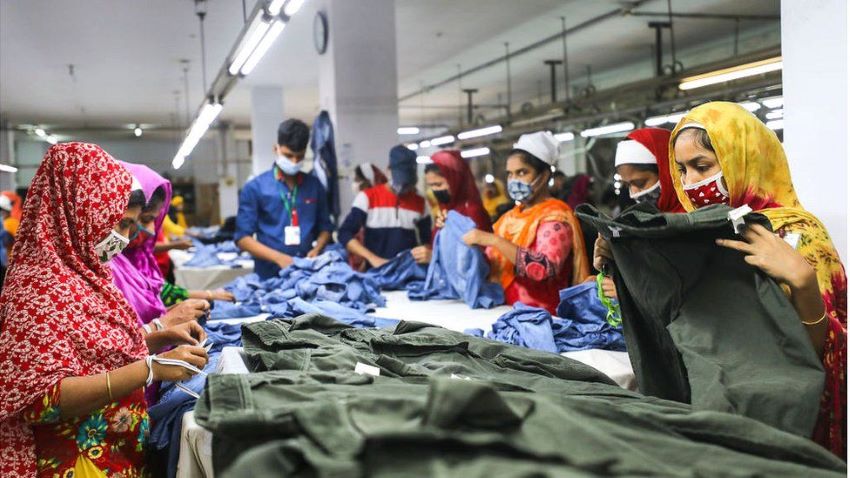
The North Carolina textile sector has made a slow climb back from near extinction to a growing, vibrant center of the US textile industry. The state’s diverse textile workforce encompasses more than 42,000 skilled professionals, including some 28,000 workers that comprise the largest textile mill industry in the US. That represents more than ten per cent of the 2,22,000 working in the textile apparel and home goods sector across the country in May.
North Carolina also has a strong business environment. At three per cent, North Carolina has the lowest corporate income tax rate in the US, while its average industrial electricity rates run more than eight per cent less than the US average. Large apparel and textile companies, such as Gildan Activewear and Unifi and VF, have already established their headquarters in North Carolina.
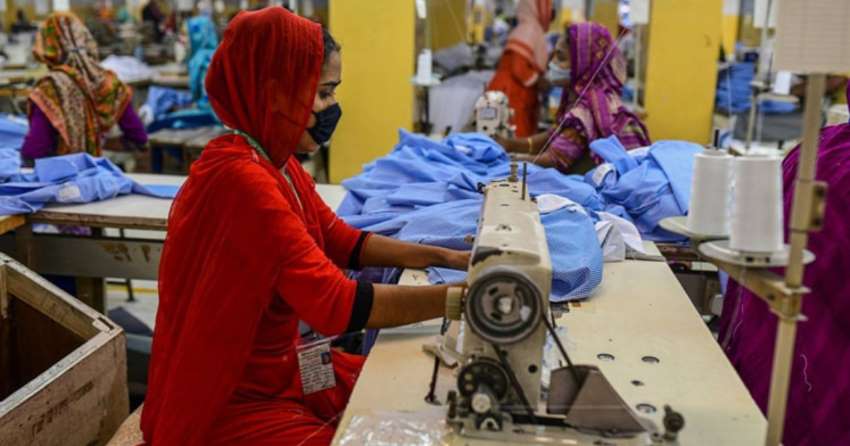
RK Industries, a large apparel manufacturer based in India, opened its first US factory in the state last year. The company has had long-term relationships with US brands and saw a chance to better serve them by opening a facility in the US amid the increased demand for faster order turnarounds taking shape in recent years. The facility has been doing well, with capacity of 700 to 800 woven shirts a week and plans to grow to 1200 pieces a week.
- 1
- 2
- 3
- 4
- 5
- 6
- 7
- 8
- 9
- 10
$120 Crude, Zero Margin: How India’s textile hubs are paying the price
For India’s textile clusters, the current West Asia crisis is no longer a distant geopolitical headline. In Surat’s polyester corridors... Read more
Luxury under pressure as stagflation and geopolitics redefine the winners’ circl…
The 2025 earnings for Europe’s listed luxury majors have delivered a verdict that has far more implications than the prevailing... Read more
Luxury resale goes global, sneakers, handbags, archival fashion redrawing border…
The luxury resale market in 2026 is no longer a monolithic global block. According to the RB Insights January 2026... Read more
China out but can India deliver? The realities of the global sourcing shift
With the US imposing a flat 15 per cent tariff on Chinese imports under Section 122 as of February 2026,... Read more
Luxury in Retreat: Why the aspirational consumer is gone for good
The global luxury industry is confronting an unprecedented situation. The active consumer base, which peaked at 400 million in 2022,... Read more
The Invisible Bleed: How a single chemical is slowing India’s apparel machine
The global fashion industry has spent the better part of the past two years obsessing over visible disruptions viz. volatile... Read more
The Closet Paradox: How ‘nothing to wear’ is driving global overconsumption
In an era of overflowing wardrobes and instant fashion gratification, a striking paradox has emerged: the more clothes we own,... Read more
US trade rulings and labor slowdown reshape 2026 cotton supply chains
The global cotton industry is entering a period of adjustment, shaped by legal rulings, trade policy recalibrations, and a softening... Read more
Zero-tariff paradigm drives strategic re-sourcing at Global Sourcing Expo 2026
Projected to reach a valuation of $30.3 billion this year, the Australian textile and apparel market is entering a period... Read more
Strategic manufacturing takes center stage at Gartex Texprocess Mumbai 2026
A $179 billion industrial cornerstone contributing 2 per cent to the national GDP, the Indian textile and apparel sector is... Read more