Barely had the apparel and footwear industry recovered from the pandemic, it was hit by the Ukraine crisis which fuelled production costs and aggravated supply chain issues, weakened consumer spending.
Reshuffle retail space and focus on D2C
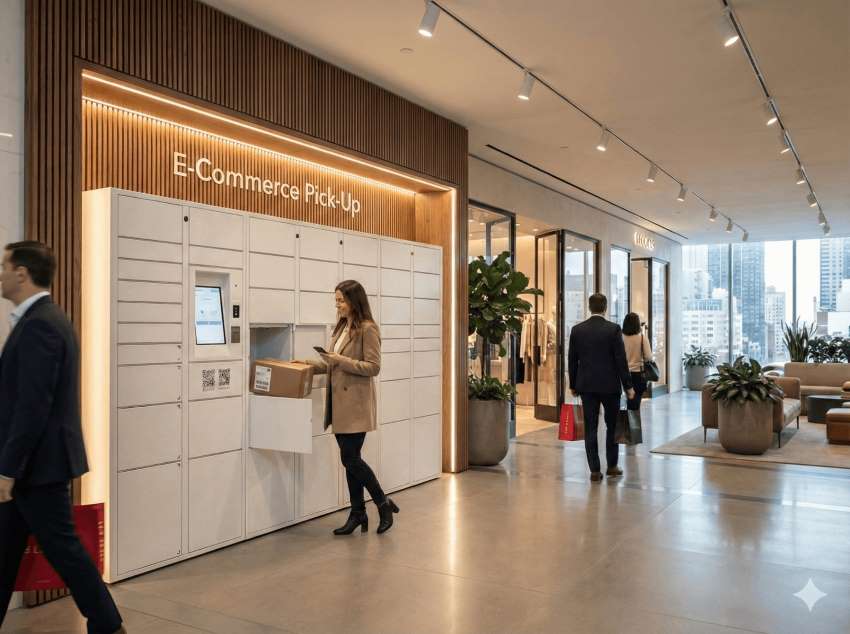
Fashion players are making changes and transforming their mode of operations to cope with the new crisis. They are focusing on e-commerce channels and increasing their share of online sales to 30 per cent of global apparel and footwear sales in 2021. However, to strengthen their association with new customers in the digital and physical space, stakeholders need to go beyond conventional sale methods. They need to focus on direct-to-consumer (D2C) strategies besides reinventing their stores.
Investments in virtual space rise
Brands from luxury to high streets are investing in virtual garments and fashion NFTs. They are looking at new digital products as a lockdown-proof way to boost revenues. For example, Nike launched its own virtual Nikeland world within the online game Roblox. The digital space allows customers to buy Nike products for their avatars. Nike has also acquired digital sneaker-maker RTFKT to launch a new virtual sneaker collection. Mass-adoption of virtual avatars is leading to the launch of D2A or Direct-to-Avatar offering collections and accessories for digital doubles and in-game avatars
The dress codes of professionals are also becoming more casual. Customers are not only increasing focus on health and wellness but also seeking new access to parks, nature and wildlife. They are increasing visits to local tourist destinations. All these aspirations are benefitting value driven brands that are stepping up sustainability efforts.
Nearshoring gains traction
Pandemic has prompted the fashion industry to change its social and environmental practices. It exposed the complexity and opaqueness of supply chains burdened with excess inventories and exploitation of workers in Asia. The Ukraine conflict has further added to industry’s woes by worsening inflation rates. Increasing shipping and raw material costs are compelling brands to review their pricing and production strategies.
In these challenging times, nearshoring is gaining popularity amongst brands. Brands like Uniqlo, are exploring production on demand, similar to the Amazon Made For You B2C service. The trend helps limit complexity and dependence. Italian brand Benetton plans to move its production centers closer home. The fashion house has already moved 10 per cent of its output from Bangladesh, Vietnam, China and India to Serbia, Croatia, Turkey, Tunisia and Egypt. It aims to reduce production in Asia to 50 per cent by 2022-end. German fast-fashion player C&A also aims to increase local production to 400,000 pairs of jeans per year in 2022, and 800,000 pairs in the future.
Meanwhile, brands also seek to reduce their dependence on China with the country’s share in global textile and leather products production declining to 33 per cent by 2030.