Project Effective is a multi-company collaboration to produce more sustainable fibers and plastics for commercial use by using renewable feedstocks and biobased technologies.
With participation from 12 companies, including brands like H&M, Carvico, Vaude and Balsan, Project Effective is one of the broadest industrial-driven efforts to reshape entire product value chains and drive economic growth.
Project Effective includes 12 organizations from eight countries and extends across entire product value chains. Participants include renewable feedstock providers, conversion technologies, makers of intermediate and finished products, major consumer brands and recycling/reuse technologies.
One of the key objectives of Project Effective is to develop a more sustainable nylon, made from bio-based caprolactam produced using renewable feedstocks. The nylon will be validated by brands to make apparel and carpet textiles.
An advantage of Project Effective is the early involvement of major consumer brands, allowing them to contribute valuable customer- and industry-driven perspectives. This brand participation is expected to facilitate broader and faster adoption of sustainable technologies and products. Brands will better understand what monomers, polymers and sustainability initiatives are commercially available, enabling them to develop more effective plans with suppliers regarding bio-based ingredients and materials.
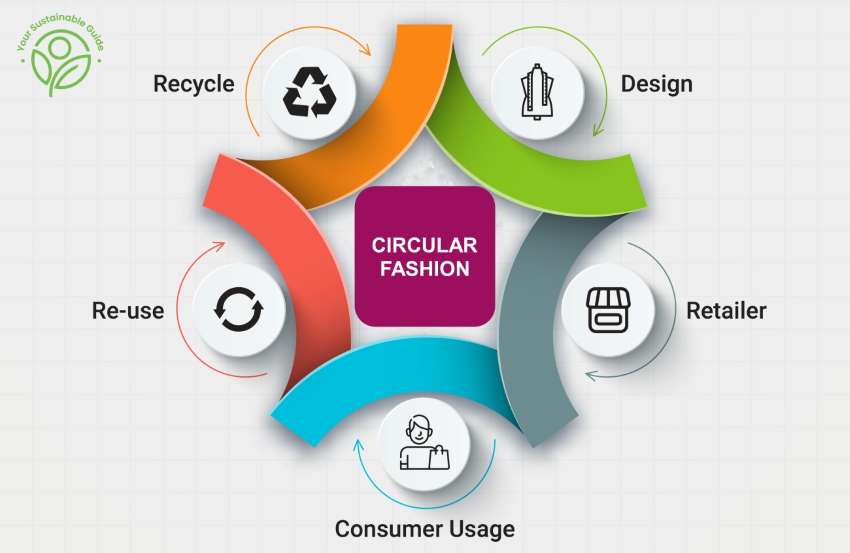
This consortium is an important step toward a more circular economy.
- 1
- 2
- 3
- 4
- 5
- 6
- 7
- 8
- 9
- 10
Luxury under pressure as stagflation and geopolitics redefine the winners’ circl…
The 2025 earnings for Europe’s listed luxury majors have delivered a verdict that has far more implications than the prevailing... Read more
Luxury resale goes global, sneakers, handbags, archival fashion redrawing border…
The luxury resale market in 2026 is no longer a monolithic global block. According to the RB Insights January 2026... Read more
China out but can India deliver? The realities of the global sourcing shift
With the US imposing a flat 15 per cent tariff on Chinese imports under Section 122 as of February 2026,... Read more
Luxury in Retreat: Why the aspirational consumer is gone for good
The global luxury industry is confronting an unprecedented situation. The active consumer base, which peaked at 400 million in 2022,... Read more
The Invisible Bleed: How a single chemical is slowing India’s apparel machine
The global fashion industry has spent the better part of the past two years obsessing over visible disruptions viz. volatile... Read more
The Closet Paradox: How ‘nothing to wear’ is driving global overconsumption
In an era of overflowing wardrobes and instant fashion gratification, a striking paradox has emerged: the more clothes we own,... Read more
US trade rulings and labor slowdown reshape 2026 cotton supply chains
The global cotton industry is entering a period of adjustment, shaped by legal rulings, trade policy recalibrations, and a softening... Read more
Zero-tariff paradigm drives strategic re-sourcing at Global Sourcing Expo 2026
Projected to reach a valuation of $30.3 billion this year, the Australian textile and apparel market is entering a period... Read more
Strategic manufacturing takes center stage at Gartex Texprocess Mumbai 2026
A $179 billion industrial cornerstone contributing 2 per cent to the national GDP, the Indian textile and apparel sector is... Read more
The Hidden Tax on Fashion: 2026’s EPR rules squeeze margins and shake supply cha…
As the 2026 enforcement deadlines for California’s SB 707 and the European Union’s harmonized Waste Framework Directive loom, the global... Read more