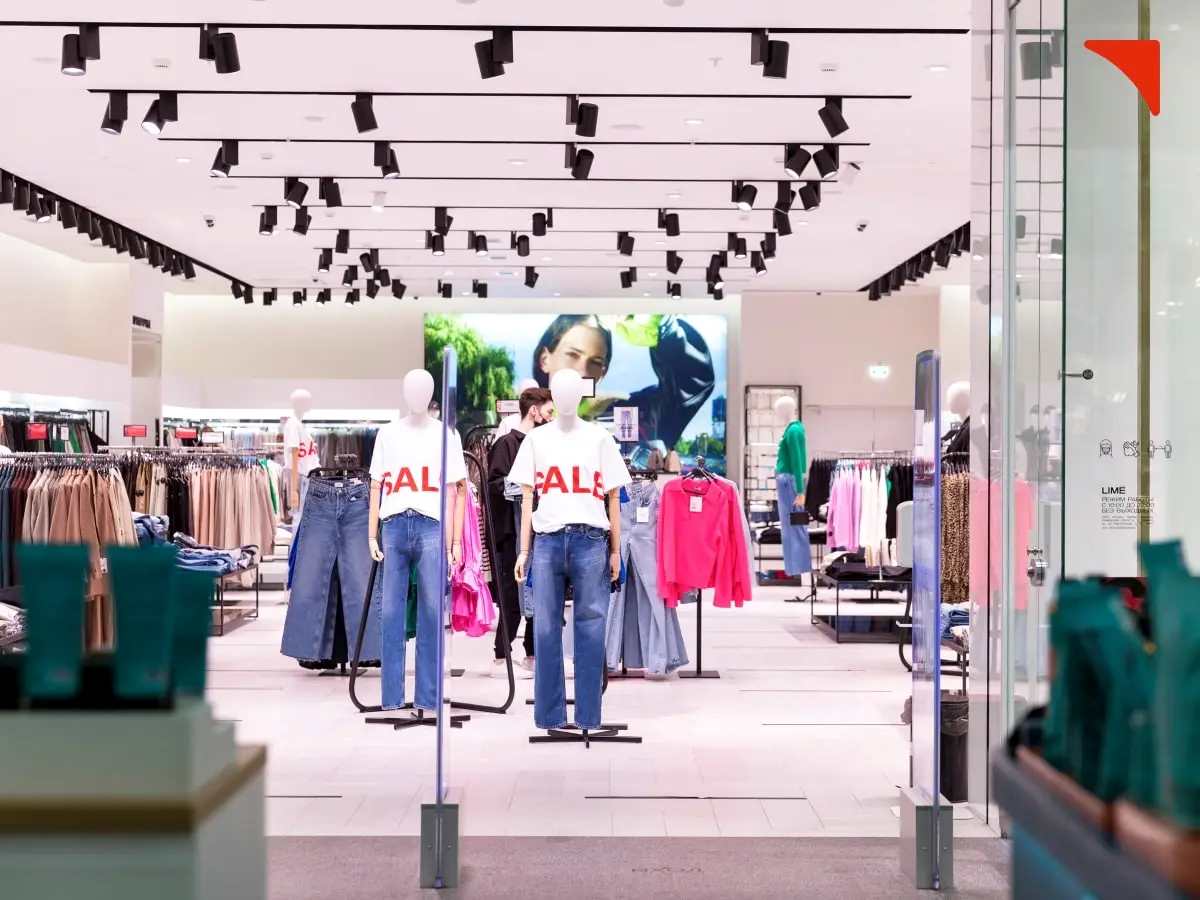
Dubai’s retail sector has been growing between 3.5 per cent and 7.5 per cent since 2010. Consumer spending is expected to support retailing activity to expand by 7.7 per cent in 2016, with growth thereafter at a CAGR of 8.1 per cent until 2020.
Store-based retailing is behind 98 per cent of the total value of retailing in 2015, and its pace of growth has by a large margin outpaced the growth of the non-store retailing category since 2010.
Growing economic prosperity, a steady population growth, and rising incomes have all helped to increase consumers’ overall expenditure in Dubai. In addition, the boom in tourist numbers has kept the wholesale and retail sector vibrant.
Dubai’s trendy, youthful population is a major factor for this growth. This segment of the population keeps up to date with the latest trends in many retail product categories such as apparel, footwear, health and beauty products as well as luxury products. This has encouraged retailers to introduce new merchandise and expand their physical presence in recent years, leading to higher value growth.
Apparel and footwear retail outlets are set to lead growth in the medium run at a forecast CAGR of 6.6 per cent, which will keep it as the largest sub-segment under the non-grocery retailing category.

- 1
- 2
- 3
- 4
- 5
- 6
- 7
- 8
- 9
- 10
Q1 FY27 signals new pattern in textiles as integrated players outpace commodity …
The first quarter of FY27 marks a decisive turning point for India's textile industry, revealing a move that extends well... Read more
Compliance as the New Currency: Why global fashion is trading lowest-cost sourci…
For decades, the global apparel sourcing playbook was deceptively simple: locate the cheapest labor pool, negotiate down raw material costs,... Read more
Manufacturing Meets Retail: China’s M2C blueprint redefines fashion economics
The traditional divide between manufacturing and retail is rapidly disappearing in China. For decades, global apparel production operated through a... Read more
India's textile exporters win competitive advantage in new US tariff regime
A sweeping overhaul of US trade policy has created one of the most competitive openings for India's textile and apparel... Read more
Yarn Expo Autumn: A vital barometer for fiber innovation
Global apparel brands and textile manufacturers are rapidly re-engineering their procurement strategies, pivoting from traditional commodity fibers toward high-tenacity, circular,... Read more
Organic cotton's scale problem raises new risks for fashion supply chains
The global fashion industry's pursuit of sustainable raw materials is facing an uncomfortable reality. Organic cotton, long promoted as the... Read more
India leads global fashion web traffic boom as digital shopping habits evolve
India's digital garment trade has struck an operational turning point, as local shoppers logged 1.4 billion average monthly visits to... Read more
Global apparel trade turns direct as brands bypass traditional distribution netw…
Geopolitical uncertainty, changing tariff regimes and volatile freight costs are forcing manufacturers to rethink how garments reach global consumers. Instead... Read more
Breaking the Urban Wall: How the interior migration is redrawing India’s apparel…
For decades, India’s garment manufacturing sector has been bound to its traditional strongholds; Bangalore, Delhi-NCR, and Tirupur. Yet, inside the... Read more
Industrial Spirits and Global Mandates: How India’s textile sector plans to capt…
The global textile value chain stands at a generational crossroads. Against this backdrop, the Bharat Tex Roundtable—convened under the theme... Read more