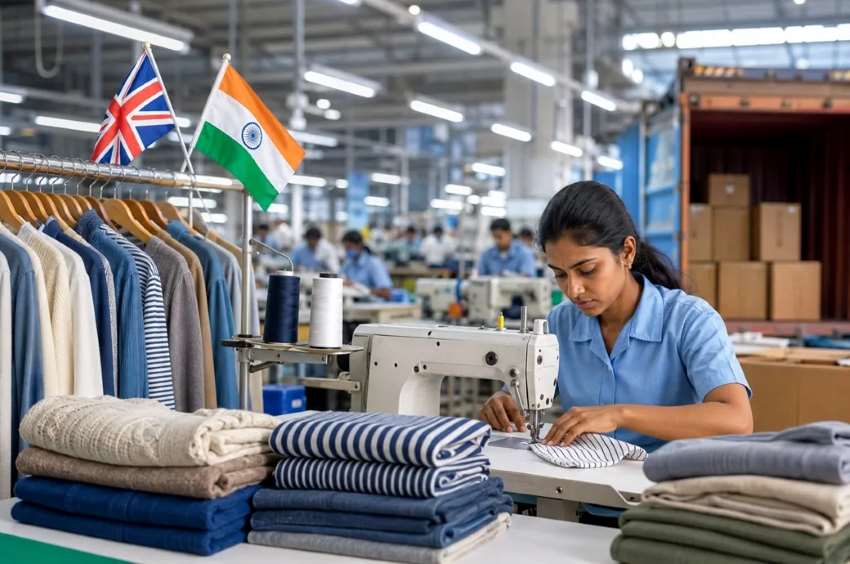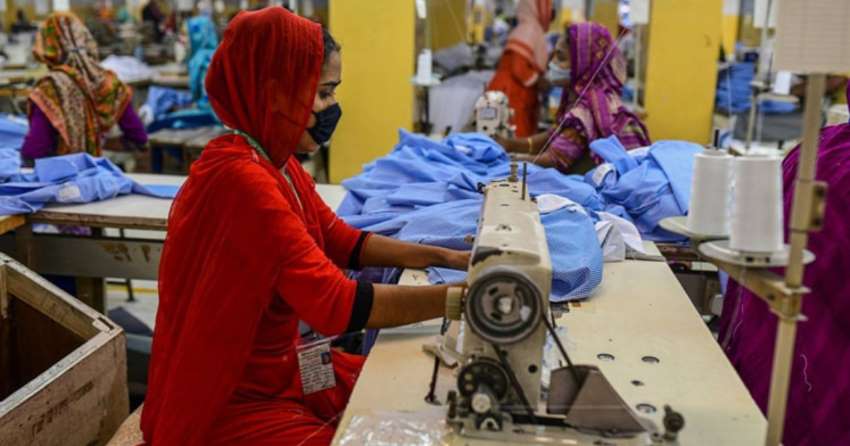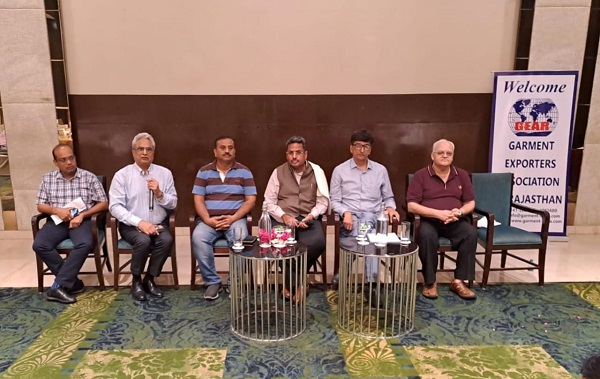
With the state’s garment manufacturing sector worth Rs 2,500 crore, Rajasthan is the largest manufacturer of garments and textiles. Jaipur, its capital has become the hub of garment manufacturing in India with over two lakh machines to produce 20 lakh garments daily. With a turnover of Rs 5 crore, the garment manufacturing sector in Rajashtan employs 5 lakh people in Jaipur alone. Of the current $44 billion exports by India, garment and textile exports account for $16 billion. The industry also employs around 4.5 crore workers and its value is expected to reach over $ 209 billion by 2029.
RoSCTL leads to loss of 15% profit margins
However, the garment sector in the state remains troubled by a 15 per cent loss in profit margins due to Rebate of State and Central Taxes and Levies (RoSCTL) reports MENAFN. The scheme is likely to result in a decline in the state’s export competitiveness. Launched with an aim to make India’s textile industry competitive, RoSCTL also aims to boost exports. However, changes made in the scheme in September 2021 have led to eroding of export margins for domestic textile exporters.
Resume cash reimbursement instead of scrips
Vimal Shah, President, Garment Exporters Association of Rajasthan (GEAR) urges the government to resume cash reimbursement instead of tradeable scrips, as these scrips are trading at 20 per cent discount. Sold by exporters to importers, the scrips are leading to substantial cash transfer from exporters to importers.
Vijay Jindal, Member, Export Promotion, AEPC & President, GEMA explains, exporters can sell scrips to importers and importers, in turn, pay import duty with these scrips as an alternative to cash import duty payments. The discount on scrips has also increased 3 per cent to about 20 per cent. This is benefitting importers, who are taking undue advantage at the cost of exporters.
Scrips discounting hurts sector’s competitiveness
The scheme aims to make India’s textile sector competitive against other low-cost producing countries such as Bangladesh and Vietnam. It conforms to the government’s intention to reimburse exports but is unable to achieve this due to discounting scrips.
Currently, the discounting on scrips benefits only importers, thus defeating the purpose and intent of the RoSCTL Scheme. To maintain the industry’s competitiveness, the government needs to make certain amendment to the structure of the RoSCTL scheme, else, demand may once again shift to low-cost countries.