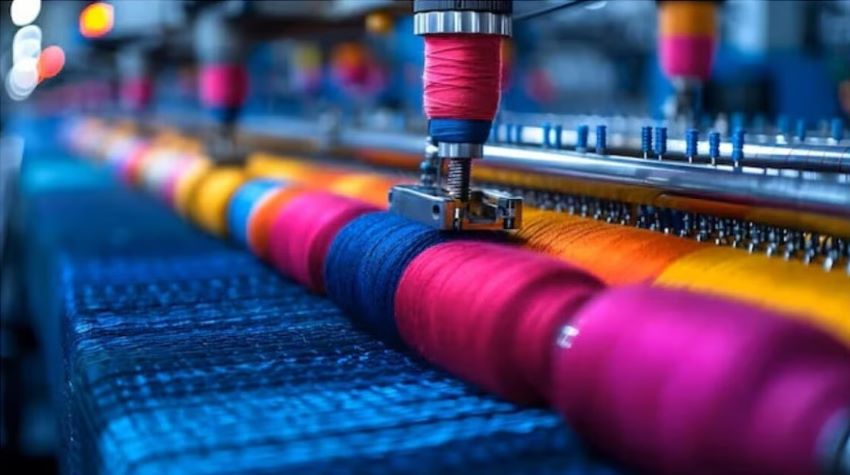
Vietnam’s cotton yarn exports are the fastest growing in the world, thanks to orders from the largest importer in the market, China. This dynamic is having a positive impact on US cotton exports to Southeast Asian countries.
The United States accounts for more than half of Vietnam's cotton imports, compared with a third just three years ago. These larger needs in Vietnam are likely to lead to record consumption in 2018-2019. Vietnamese mills continue to attract foreign investment, new or existing. Costs are much lower in Vietnam than in Japan or South Korea, and the country is attracting more and more foreign textile exporters, such as China, India and Pakistan. Vietnam's exports of cotton yarn to China have almost quintupled since 2012-2013, showing stronger links between the textile industries of both countries.
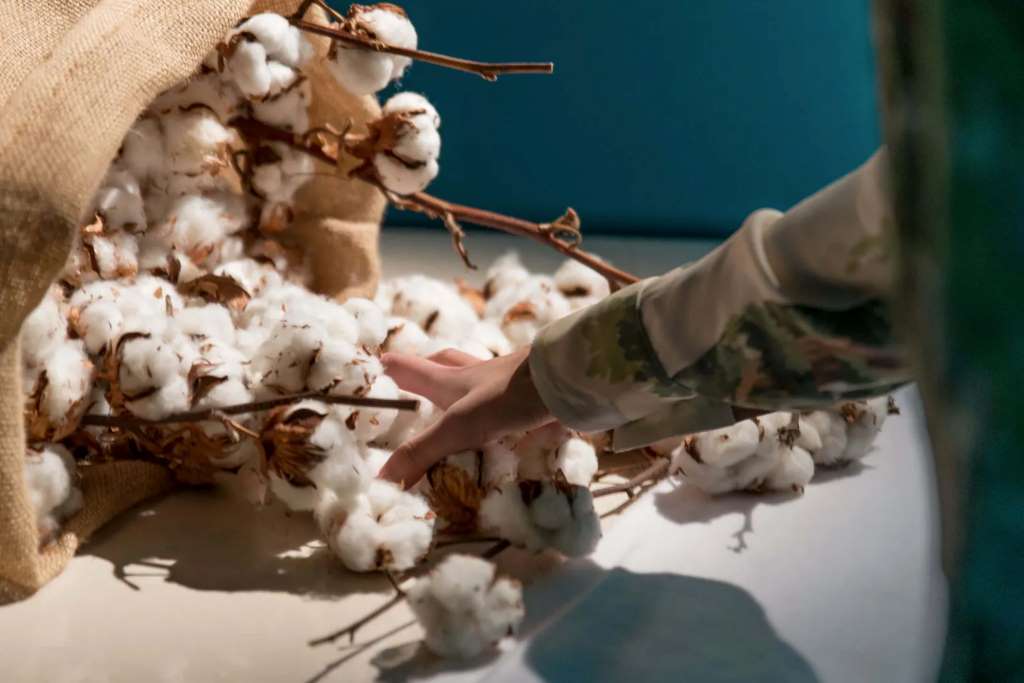
In 2016-17, Vietnam was the main destination for US cotton exports. For the moment, this continues to be true. Cotton is the most valuable agricultural product for the United States, accounting for about 40 per cent of the sector’s total exports.
Over the period from August 2017 to June 2018, US cotton exports to Vietnam again reached record levels. The world’s second largest importer of cotton, Vietnam helped propel US cotton exports in 2017-2018 to their highest level in a decade.

- 1
- 2
- 3
- 4
- 5
- 6
- 7
- 8
- 9
- 10
India’s $9 Billion Landfill Blind Spot How trashed clothes hold the key to globa…
A massive economic windfall is sitting uncollected in India’s landfills, and the key to unlocking it lies in rethinking how... Read more
Red Sea crisis reshapes textile trade routes, challenges India’s export margins,…
Global apparel trade is now in a new operational phase where geopolitical stability and logistics reliability are as important as... Read more
EU’s textile waste rules enter enforcement phase, raising alarms across fashion …
Europe’s apparel and textile industry is approaching one of its most significant regulatory transitions in decades. As the European Union... Read more
Corporate fashion adopts reverse logistics to unlock the $367 bn resale market
Global fashion retailers are rapidly changing their business models around resale, repair, and textile recovery as the secondhand apparel market... Read more
Tariff Shock 2026: Forced-labor enforcement is repricing global fashion trade
Washington’s latest trade intervention signals a break in the global apparel sourcing patterns. The Office of the United States Trade... Read more
Circular Samvaad 2.0 aims to transform Indian textiles from linear waste to glob…
On the occasion of World Environment Day, industry leaders, policymakers, and international experts gathered in the capital yesterday for Circular... Read more
From Sentiment to Sustainability: How Mumbai’s ‘Mega Post Textile Waste Initiat…
Walk into almost any Indian household, and you will find wardrobes harboring clothes that haven’t been worn in years. They... Read more
CMAI launches new initiative to combat waste and formalize textile recovery acro…
In a landmark move to address the mounting crisis of post-consumer textile waste, the Clothing Manufacturers Association of India (CMAI)... Read more
Trends-Fabrics (Denim-Kidswear) trends for Spring/Summer 2026-27 by Drapers
For the Spring/Summer 2026-27 season, the kidswear denim market is defined by a shift toward lightweight comfort, playful aesthetics, and... Read more
Cost spiral across fibers, chemicals and logistics squeezes India’s apparel expo…
India’s textile manufacturing sector has entered one of its most financially strained periods in recent years as increasing fiber, yarn,... Read more