Korea and Taiwan are accused of dumping low melt polyester staple fiber in the US.The allegation is that the US industry is hurt by such dumping and that these products are allegedly sold in the US at less than fair value.
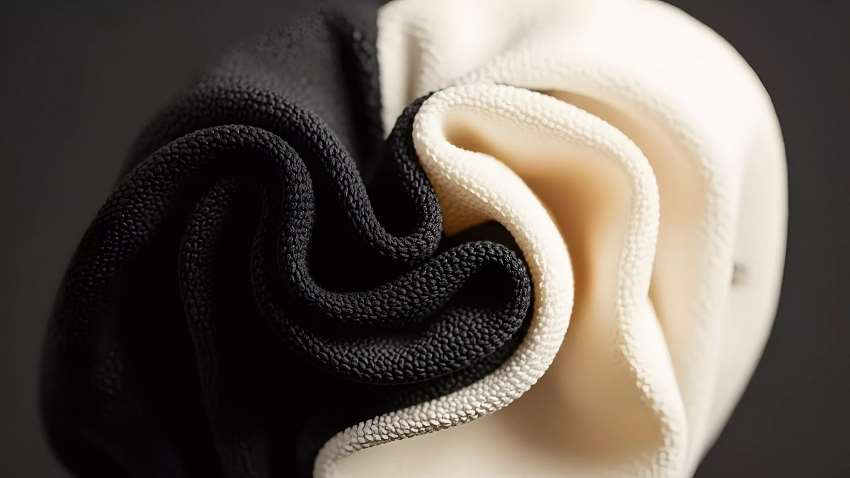
Fine denier polyester staple fiber is a synthetic staple fiber of polyesters measuring less than 3 denier in diameter. It is generally cut in lengths of less than five inches and is similar in appearance to cotton or wool.
It is typically converted either to yarn for weaving or knitting into fabric or to a non-woven textile prior to the end-use application. Woven applications include the production of textiles such as clothing and bedding linens. Non-woven applications include the production of household and hygiene products such as cleaning wipes, baby wipes and diapers.
The US will conduct antidumping duty investigations.
Anti-dumping duties are intended to offset the amount by which a product is sold at less than fair value, or dumped, in the US. The margin of dumping is calculated and estimated duties in the amount of the dumping are collected from importers. Countervailing duties are intended to offset unfair subsidies that are provided by foreign governments and benefit the production of a particular good.

- 1
- 2
- 3
- 4
- 5
- 6
- 7
- 8
- 9
- 10
Beyond Blue Jeans: How brand identity is reshaping a $103 bn market
The global denim industry is entering a new phase of competition, one in which branding psychology is becoming as valuable... Read more
Beyond Tariffs: How a unified US apparel industry wants to rebuild regional manu…
In a rare show of consensus, some of the US' most influential apparel, footwear and textile organisations have come together... Read more
India-UK CETA: Tariff-free UK access puts India's textile sector on growth track
India's textile and apparel industry is ready for one of its biggest export opportunities in decades as the India-UK Comprehensive... Read more
AI tailoring gains momentum as custom suits transforms premium apparel retail
Technology is reshaping one of fashion's oldest categories menswear. AI, digital body scanning and automated manufacturing are replacing conventional tailoring... Read more
Can trade deals and manufacturing reforms deliver India's textile vision?
India's textile and apparel industry has entered one of its strongest revival phases after several difficult years marked by pandemic... Read more
Women’s wear power global apparel growth as big brands rework retail strategies
For years, the world's largest apparel companies built their businesses around men's denim, workwear and outdoor clothing. That strategy is... Read more
The End of Fibre Blends: Why retailers are moving toward 100% recyclable apparel
The apparel industry is entering a redesign phase as sustainability goals, regulatory pressures, and resource security unite around one central... Read more
Recycled polyester’s next growth phase will be driven by data, not fiber
For much of the last decade, recycled polyester was one of the easiest sustainability wins available to brands. Replacing virgin... Read more
Lefties becomes Inditex's new weapon against Primark and Shein
While much of the global apparel industry has focused on the rapid rise of digital-first retailers such as Shein and... Read more
Bangladesh’s apparel export model hits a breaking point as price wars reduce mar…
Bangladesh's apparel industry, long regarded as the world's manufacturing hub for affordable, high-volume garments, is facing one of its most... Read more