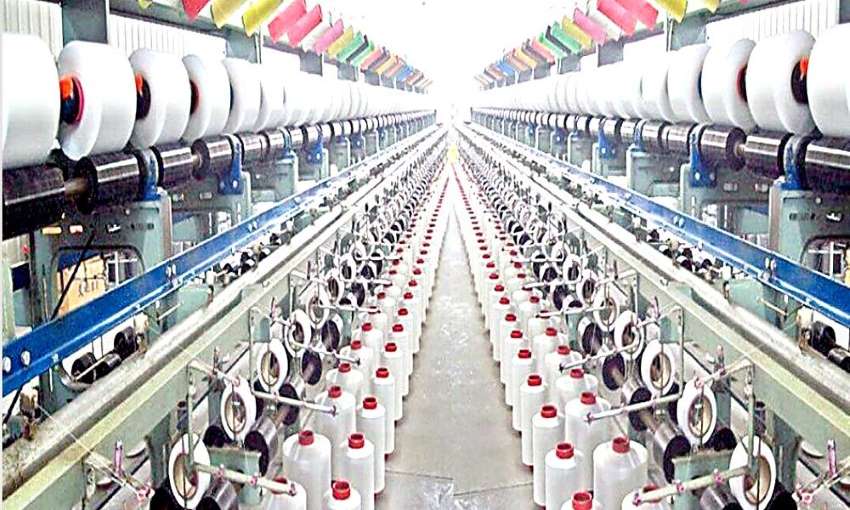
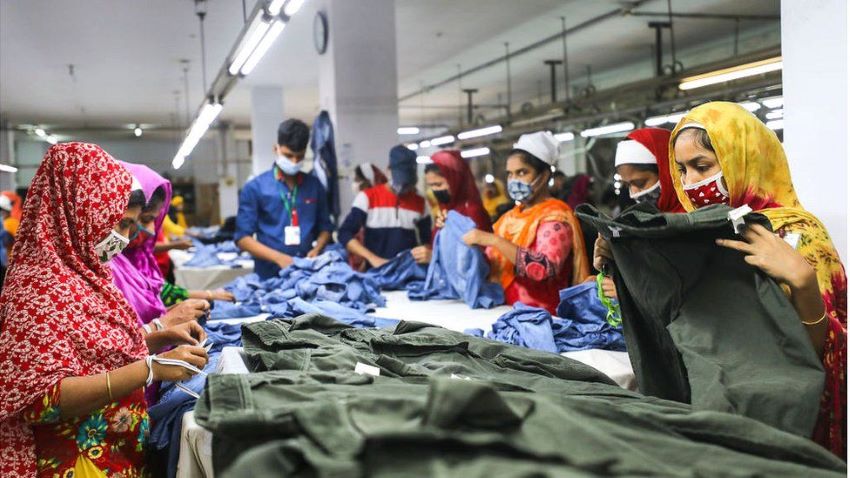
Garment workers in Asia are facing destitution in the wake of COVID-19 epidemic. Factories are closing in Sri Lanka, Bangladesh, Indonesia, Albania and across Central America. The situation for garment workers in Cambodia and Myanmar is already dire. Some factories are said to have already sacked workers without pay. Many workers cannot afford to live on their normal salaries and are therefore in high levels of debt; they are now likely to default on their loans. Factories in garment-producing countries including Bangladesh, Cambodia and Vietnam are about to close due to a shortage of raw materials from China and declining orders from western clothing brands.
Millions of workers in supply chains are likely to fall into crippling poverty as they lose their jobs and struggle to provide for their families. Poverty wages, unsafe and unsanitary workplaces and poor health already make the garment workforce highly vulnerable to the worst effects of the virus.
It is doubtful garment workers would be able to save enough from their salaries to have funds to fall back on if they lose their jobs or are unable to go into work. Many of these workers live in countries where labor laws and protections are not upheld.
- 1
- 2
- 3
- 4
- 5
- 6
- 7
- 8
- 9
- 10
Zombie inventory and shrinking margins inside China’s fashion returns meltdown
China’s digital fashion market, long celebrated as the world’s most sophisticated test bed for e-commerce innovation, is facing a destabilising... Read more
Circularity by Design: How EU rules are turning data into fashion’s new currency
The European fashion sector has entered a compressed transition window. Two regulatory confirmations: the revised EU Textile Labelling Regulation (effective... Read more
The Lyst Reset: Chanel and Dior rewrite luxury’s power index
The global luxury hierarchy has been quietly rewritten, and not by sales alone. In Q1 2026, Chanel rose to the... Read more
Inventory, not expansion, defines winners in global apparel
The 2025 fiscal year has crystallised that revenue growth and operational health are no longer moving in tandem. In an... Read more
From growth-at-all-costs to cash discipline, the new economics of DTC fashion
The global direct-to-consumer apparel market is entering a correction phase, as fashion brands across the US, Europe and the UK... Read more
Britain’s Forgotten Growth Engine: Why policy gaps are undermining fashion and t…
Britain’s fashion and textile industry, often framed through the lens of creativity and design, is emerging as a case study... Read more
Beyond price rallies structural reform can strengthen India’s cotton economy
India’s cotton economy is entering a decisive phase, where firmer prices and tighter arrivals in the 2026-27 season have given... Read more
Polyester volatility redraws India’s textile industry competitive map across Asi…
India’s synthetic textile industry has entered a phase of cost instability as polyester staple fibre (PSF) prices rise across domestic... Read more
The £7 Billion Question: Who pays for fashion’s ‘free rental’ habit?
The global fashion industry is facing an uncomfortable paradox: its most valuable customers may also be its most destructive. A... Read more
India, China Bangladesh face fresh headwinds as global apparel markets rebalance
Global apparel trade is entering a more uneven recovery phase, with demand growth persisting but losing uniform momentum across major... Read more