FW
Future Fabrics Expo accelerates industrial decarbonization roadmap
The Future Fabrics Expo (FFE) has solidified its position as a critical node for the textile industry’s transition toward net-zero operations. During the 2026 edition, technical seminars shifted focus from theoretical sustainability concepts to the practical application of circularity and decarbonization at scale. Industry leaders are increasingly emphasizing the necessity of replacing virgin fossil-fuel-based synthetics with high-performance bio-materials. Data presented during the summit highlights that material innovation is currently the most significant lever for reducing Scope 3 emissions, which typically account for over 85% of an apparel company's environmental footprint. By fostering direct collaboration between upstream material scientists and downstream manufacturing giants, the event is effectively shortening the innovation-to-market lifecycle for regenerative textile inputs.
Aligning regenerative agriculture with global supply chains
Beyond material science, the FFE seminar series is addressing the integration of regenerative agriculture into mainstream supply chains. As global brands commit to stringent environmental, social, and governance (ESG) targets, the demand for verified, carbon-sequestering natural fibers has surged. Experts at the expo noted that while adoption rates for regenerative cotton are growing at a projected 12% annually, the primary bottleneck remains the absence of standardized certification frameworks. “The focus must move toward establishing granular traceability protocols that ensure the economic viability for farmers while providing manufacturers with the data transparency required for regulatory compliance,” remarked an industry delegate. This strategic alignment underscores a broader shift: sustainability is no longer a corporate social responsibility metric, but a fundamental prerequisite for long-term supply chain security and operational resilience.
A premier international platform
The Future Fabrics Expo (FFE) serves as a premier international platform dedicated to showcasing sustainable materials and innovations for the textile and apparel sector. It facilitates knowledge transfer through seminars and exhibitions, connecting manufacturers, designers, and material innovators to promote circularity, resource efficiency, and the adoption of low-impact, environmentally conscious fibers.
ILO conference signals shift toward human-centric AI in global apparel
How can AI transform the textile industry without harming workers? Find out why the ILO is calling for a human-centric approach to automation.
As the 114th International Labor Conference (ILC) convenes in Geneva, Gilbert F Houngbo , Director-General, International Labor Organization (ILO) has issued a definitive call to action regarding the rapid integration of artificial intelligence (AI) across global supply chains. Addressing the textile and apparel sector, which remains one of the world’s most labor-intensive industries, Houngbo emphasized that technological adoption must not come at the expense of social justice. The ILO’s latest report, A Moment of Choice: Harnessing Artificial Intelligence for Decent Work, underscores that while AI - ranging from computer-vision-enabled defect detection to predictive demand analytics - offers significant productivity gains, these benefits must be equitably shared through improved wages and stronger labor protections rather than exacerbating existing worker vulnerabilities.
Navigating the future of skilled production
The conference highlights an urgent need for institutional frameworks that support a ‘just transition’ for manufacturing workers. As production facilities increasingly deploy machine learning to optimize fabric cutting and minimize waste, the industry faces a critical gap in workforce readiness. The ILO is prioritizing social dialogue as a primary mechanism to ensure that the gains from industrial automation are directed toward decent work rather than mere cost-cutting. In the textile and apparel context, where millions of workers face displacement risks from automation, the integration of AI governance - grounded in transparency, accountability, and human oversight- is becoming a competitive imperative. The ILC’s agenda for 2026 confirms that policy choices made today will determine whether AI serves to broaden opportunities for inclusive growth or deepens the cycle of insecurity for global factory workers.
Promoting decent work globally
The International Labour Organization (ILO) is the +United Nations agency tasked with advancing social justice and promoting decent work globally. It facilitates social dialogue between governments, employers, and workers. The ILO develops international labor standards, provides technical assistance, and conducts research to support policy reform and sustainable development across industries.
Global cotton testing standardized through strategic expansion
The International Cotton Advisory Committee (ICAC) has officially broadened the scope of its Committee on the Commercial Standardization of Instrument Testing of Cotton (CSITC) by integrating the Brazilian Cotton Growers Association (ABRAPA) as a co-provider for its Round Trial samples. Effective with the Q2 2026 cycle, this partnership marks a departure from the long-standing reliance on the USDA Agricultural Marketing Service (AMS) as the sole dispatcher for these global quality benchmarks. By incorporating ABRAPA, the CSITC effectively diversifies the genetic and regional varieties of cotton utilized in its calibration program. This evolution ensures that the testing protocols more accurately reflect the expanding global trade landscape, providing textile facilities with a more representative set of physical parameters to calibrate their high-volume instrument (HVI) equipment.
Enhancing laboratory reliability and technical precision
Consistent fiber measurement remains the cornerstone of modern spinning efficiency, as even minor deviations in quality reporting can disrupt downstream textile manufacturing. Participating laboratories in the CSITC program receive quarterly diagnostic assessments rather than pass-fail metrics, a diagnostic approach that allows facilities to refine their precision through comparative analysis. ‘The inclusion of a second, globally recognized provider not only increases logistical robustness but reinforces the commitment to technical homogeneity required by modern industrial standards,’ notes a senior industry analyst familiar with the program. By allowing laboratories to identify systematic measurement deviations against international reference values, the expanded framework facilitates greater transparency and interoperability across the global textile supply chain, ultimately reducing operational risks associated with inaccurate fiber classification.
The International Cotton Advisory Committee (ICAC) is an intergovernmental association of countries involved in cotton production, consumption, and trade. Established in 1939, it functions as a global clearinghouse for cotton-related technical information, sustainability research, and market transparency. The committee provides strategic support for member nations through research networking, technological innovation, and international forums.
Supply chain vulnerability exposed as climate risks mount
Latest data from the Social and Labor Convergence Program (SLCP) indicates a critical misalignment between global manufacturing realities and climate preparedness. With 69 per cent of assessed facilities lacking a formal climate adaptation strategy, the textile and apparel sector faces substantial operational risks. Of immediate concern is the finding that 16 per cen of monitored facilities operate at indoor temperatures exceeding 31°C, placing worker safety and productivity at immediate risk as global heat thresholds are surpassed. These findings, derived from the newly integrated climate data points in the Converged Assessment Framework (CAF) v1.7, highlight an urgent need for infrastructure investment to mitigate extreme heat.
Audit efficiency drives sector improvement
While climate preparedness lags, consistent engagement with standardized assessment tools yields measurable compliance dividends. Facilities utilizing the CAF for five consecutive years report a 20 per cent reduction in legal non-compliances compared to first-time users. Furthermore, the standardization of assessments has successfully reduced audit fatigue, enabling $35 million in capital to be redirected from redundant compliance checks toward tangible improvements in working conditions. This shift is accompanied by notable supply chain evolution, as Tier II facility assessments grew by 14 per cent, and production hubs in India and Vietnam demonstrated the highest year-over-year growth in assessment volume, signaling a diversifying global manufacturing landscape.
Standardized assessment framework
The Social and Labor Convergence Program (SLCP) provides a standardized, multi-stakeholder assessment framework to eliminate audit duplication in global supply chains. Primarily serving the apparel and footwear sectors, it focuses on improving social and labor conditions through consistent, high-quality data. Headquartered in the Netherlands, the organization supports manufacturers globally, aiming to redirect audit resources toward sustainable, long-term facility improvements.
APEC to overhaul digital infrastructure for garment exporters
The Apparel Export Promotion Council (AEPC) has initiated a strategic collaboration with the National Logistics Development and Strategic Logistics (NLDSL) to overhaul the digital infrastructure supporting Indian garment exporters. By integrating the National Logistics Portal with apparel-specific trade processes, this partnership aims to address critical inefficiencies in the supply chain that currently contribute to elevated logistics costs. Industry analysts estimate, logistics expenses account for nearly 14 per cent of India’s GDP, significantly higher than the 8 per cent-9 per cent average in developed economies. This digital integration is projected to reduce turnaround times at ports and improve real-time freight visibility, potentially lowering logistical overheads by 5 per cent to 7 per cent for mid-sized exporters over the next two fiscal years.
Scaling through technological integration
This move aligns with broader national efforts to elevate India’s textile export valuation. By streamlining documentation and customs clearance through unified digital gateways, apparel manufacturers can better compete with regional rivals. AEPC leadership noted, the primary focus remains on automating labor-intensive logistical tasks, thereby allowing exporters to focus on value-added production. A successful pilot implementation at major textile hubs has already shown a 15 per cent improvement in processing speed for air-freight shipments. As global buyers increasingly demand transparency, this robust digital backbone will likely serve as a vital differentiator for Indian firms aiming to capture larger shares of the United States and European markets.
Industry context and strategic direction
The Apparel Export Promotion Council acts as the official nodal agency under the Ministry of Textiles, facilitating international trade for Indian garment manufacturers. With a focus on ready-made garments, the council promotes growth through policy advocacy, skill development, and global market expansion, aiming to scale India's textile exports to $100 billion.
IKEA transforms India into global product development hub
IKEA has officially inaugurated its fourth global Product Development Centre in India, marking a definitive evolution in the Swedish retailer’s operational strategy. Moving beyond its historical role as a localized sourcing hub, the company has incorporated a new entity to spearhead design and development for both the Indian market and global export. According to Oskar Lindkvist, Managing Director of the new centre, this milestone completes the brand’s value chain integration in the region, where retail, supply, and now product creation coexist. By positioning India alongside established design hubs in Sweden, China, and Vietnam, the company aims to leverage domestic manufacturing prowess to produce items that resonate with local consumer preferences while maintaining the scalability required for its international supply network.
Scaling textile innovation and sourcing
The centre has been tasked with curating a catalog of 500 affordable, market-specific products, with a heavy emphasis on home textiles such as premium linens, rugs, and upholstery. This initiative directly supports IKEA’s broader objective to increase local procurement from 30 per cent to 50 per cent within its Indian retail footprint. With roughly 150 textile-led products already introduced to the market and 220 in the design phase, the company is capitalizing on India’s deep-rooted craftsmanship and cotton-based supply chain. By embedding product development closer to the origin of raw materials, IKEA seeks to bypass traditional lead-time bottlenecks and ensure that design adjustments remain responsive to evolving consumer lifestyle trends. This strategic realignment reinforces India’s status as a critical node in IKEA’s effort to quadruple its national store count and harmonize its local offerings with a robust global export strategy.
Building an omnichannel presence
IKEA is a global home furnishings retailer specializing in ready-to-assemble furniture and textiles. In India, the company focuses on building an omnichannel retail presence alongside a massive sourcing network. With over 40 long-term suppliers, IKEA is aggressively expanding its physical footprint and local manufacturing to reach domestic scale and global export targets.
US tech wealth emerges as luxury’s primary growth engine
As traditional luxury strongholds in China grapple with structural economic headwinds and geopolitical instability ripples through European travel corridors, global fashion houses are aggressively reallocating resources toward the United States. The sector’s current strategic focus is anchored in the resilience of American high-end consumers, whose purchasing power has been significantly expanded by the sustained rally in artificial intelligence and technology equities. Data from recent industry reports underscores this trend; North America secured the top position for global luxury store openings in 2025, accounting for 27 per cent of new retail footprint, effectively surpassing both Europe and China. For many houses, the US is now viewed as an unpenetrated opportunity, with store density remaining remarkably low relative to the country’s concentration of ultra-high-net-worth individuals.
Omnichannel expansion and experiential retail
Luxury brands are evolving beyond legacy metropolitan flagships, favoring localized retail strategies in affluent regions where the tech-wealth demographic resides. This tactical shift is complemented by high-profile, localized runway presentations, with houses such as Dior, Gucci, and Zegna hosting seasonal collections across the US to deepen emotional resonance with domestic spenders. Industry analysts suggest that this movement represents more than a temporary reaction to global volatility; it is a fundamental realignment toward the most stable source of luxury consumption. By securing a stronger foothold in the American market, brands aim to mitigate the fiscal pressures of global currency headwinds and provide a robust counter-balance to the decelerating performance observed in broader, formerly high-growth international territories.
The luxury sector’s American expansion
Global luxury conglomerates, including LVMH, Kering, and Moncler, are currently prioritizing US expansion to capture tech-enriched wealth. Key target markets include emerging affluent hubs and coastal cities. Strategic plans emphasize physical store growth and high-impact runway events. The financial outlook remains cautiously optimistic, with analysts projecting 6 per cent organic sales growth for 2026.
Cost spiral across fibers, chemicals and logistics squeezes India’s apparel exports
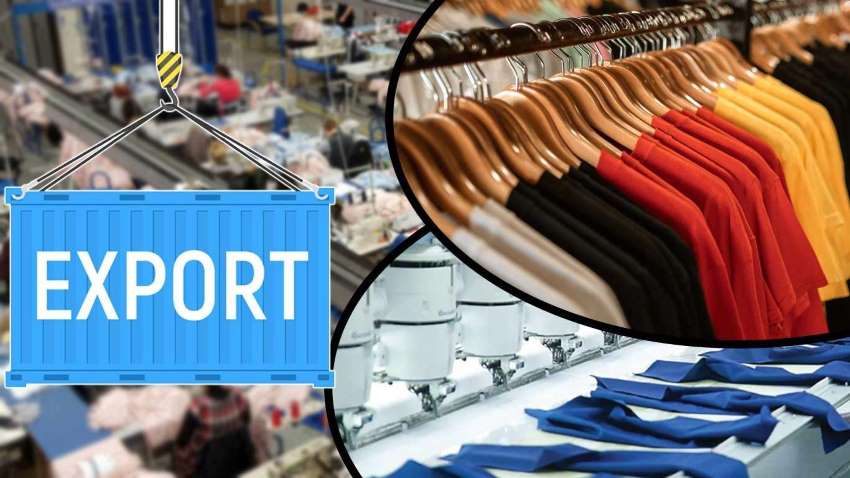
India’s textile manufacturing sector has entered one of its most financially strained periods in recent years as increasing fiber, yarn, chemical, and logistics costs collide with rigid international buyer contracts. What initially appeared to be another cyclical rise in raw material prices has evolved into a structural operating crisis for the country’s export-oriented textile hubs, particularly in Tiruppur and Karur, where small and mid-sized manufacturers are struggling to preserve already thin margins.
Despite outward stability in export order flows, the underlying economics of apparel and home textile production have deteriorated sharply. Industry stakeholders say the simultaneous rise in nearly every major production input has erased traditional cost buffers and intensified pressure on working capital availability.
Fiber inflation breaks historic norms
The sharpest disruption has emerged from upstream raw material markets, where core textile intermediates have moved far beyond conventional pricing ranges. In Tiruppur, India’s largest knitwear cluster, hosiery yarn prices have risen by Rs 61 per kg over the past five months, including a steep Rs 20 per kg jump in May alone.
At the same time, manufacturers in Karur’s home textile belt are reporting overall raw material inflation of between 40 and 60 per cent. Synthetic fiber streams have witnessed particularly severe escalation. Polyester staple fiber prices have climbed from Rs 80 per kg to Rs 130 per kg, driven largely by higher crude oil prices and persistent geopolitical instability affecting major Middle Eastern shipping corridors.
The inflationary cycle has spread rapidly across secondary processing operations as well. Dyes, chemical compounds, finishing agents, and industrial gases have all become more expensive, while intermittent shortages of critical industrial inputs have disrupted advanced processing lines. The cumulative impact has pushed garment manufacturing costs higher by 15 to 20 per cent across several product categories.
Table: Comparative increase of primary textile inputs (May 2026)
|
Material/cost component |
Historic baseline rate |
Current market rate |
Net percentage increase |
|
Hosiery Yarn (Tiruppur Hub) |
Base Level |
+Rs 61/kg (Cumulative) |
Sharp 5-month uptick |
|
Polyester Staple Fiber |
Rs 80/kg |
Rs 130/kg |
62.5% Appreciation |
|
Karur Home Textile Raw Materials |
Standard Matrix |
Structural Variance |
40% – 60% Inflation |
|
Downstream Garment Manufacturing |
Standard Cost Sheet |
Adjusted Baseline |
15-20% Cost Escalation |
The current pressure differs fundamentally from past yarn cycles because every primary input is inflating in tandem. We are absorbing higher synthetic fiber costs, higher processing charges, and an inflexible logistics premium simultaneously, while working capital availability contracts,” opines K Venkatachalam, Chief Advisor at Southern India Mills’ Association.
Buyers hold the pricing line
The industry’s biggest challenge lies not merely in rising costs, but in the inability to transfer those increases downstream. International retail buyers, operating amid slowing consumer demand in North America and Europe, have largely refused to renegotiate procurement contracts signed before the latest inflationary cycle began.
This has left Indian small and medium enterprises effectively absorbing the increase themselves to avoid penalties, shipment disruptions, or the risk of losing long-term clients. Manufacturers say they are continuing to execute export orders at historical price points despite substantial escalation in production outlays.
The financial strain has been got further push from policy and supply-side pressures within India. The reintroduction of the 11 per cent cotton import duty in January 2026, following the expiration of a temporary exemption in December, has tightened access to imported specialty cotton varieties while raising the domestic pricing floor for lint procurement.
Alongside raw material inflation, textile clusters are also dealing with seasonal labour shortages. A significant portion of the workforce has temporarily migrated back to agricultural regions for cultivation activities, forcing mills and processing units to operate below optimal capacity levels. Lower utilization has further inflated per-unit production costs by spreading fixed overheads across reduced output volumes.
Manufacturers shift to defensive models
As operating conditions worsen, a growing number of mid-sized textile companies are restructuring production strategies to reduce dependence on volatile commodity cycles.
Several fabric manufacturers in western India have begun shifting away from traditional single-fiber production models by increasing the use of blended and alternative cellulosic materials. Advanced material-planning systems are being deployed to optimize fiber combinations and reduce exposure to cotton and pure polyester price swings.
At the same time, manufacturers are adopting stricter commercial controls to stabilize margins. Some exporters are using detailed cost-accounting frameworks to negotiate partial open-book pricing adjustments with global buyers, particularly for long-duration supply programs. Others are reducing production turnaround cycles from the traditional 90-day model to nearly 45 days in an effort to minimize exposure to sudden spot-market fluctuations during contract execution.
Forward procurement of chemical intermediates and tighter inventory planning have also emerged as critical survival mechanisms. Industry executives say companies capable of combining operational agility with disciplined sourcing are still managing to preserve low single-digit margins, while slower operators dependent on spot purchases face intermittent production stoppages and liquidity stress.
Export hubs face defining transition
The pressure comes at a crucial time for Tiruppur and Karur, two of India’s most strategically important textile manufacturing centres. Together, the clusters account for more than 60 per cent of India’s knitwear and home textile exports and supply major retail chains across Europe and North America.
Both clusters are targeting a combined export ambition of $20 billion by 2030, but current market conditions are forcing businesses to prioritize financial resilience over expansion. Industry guidance now points toward a temporary stabilization phase over the next fiscal year as manufacturers modernize processing infrastructure, diversify sourcing strategies, and attempt to adapt to prolonged global supply chain volatility.
For India’s textile value chain, the current crisis is being viewed not as a passing inflationary spike, but as a reset that could permanently alter sourcing practices, supplier relationships, and manufacturing economics across the country’s apparel export sector.
Victoria’s Secret records robust Q1 growth amid strategic repositioning
Victoria’s Secret & Co has reported a resilient performance for Q1, FY26, with net sales climbing by 15.3 per cent to $1.56 billion. Compared to the $1.35 billion recorded in the previous year, this outcome reflects the effectiveness of the brand’s refined merchandising strategies and an invigorated approach to global retail operations. Buoyed by this performance, management has upwardly adjusted its full-year net sales forecast, projecting a range between $7.03 billion and $7.13 billion. The positive trajectory suggests that recent efforts to diversify product offerings beyond core intimate apparel into broader lifestyle categories are yielding tangible results among a broader consumer base.
Adapting to global retail dynamics
The competitive landscape of the lingerie and personal care sector remains intense, yet Victoria’s Secret is successfully reclaiming market share through localized retail experiences and enhanced digital integration. According to Jonathan H Reed, Senior Retail Market Analyst, the double-digit sales growth demonstrates that the brand’s efforts to align its product portfolio with contemporary comfort and diversity expectations are resonating with international markets. A brief case study of the brand’s recent North American store renovations, which incorporated more accessible inventory displays and personalized fitting services, indicated a 9 percent increase in transaction volume. As the firm continues to prioritize operational efficiency and brand revitalization, these gains underscore a stabilized financial outlook that reinforces investor confidence for the remainder of the fiscal year.
Corporate profile and market scope
Victoria’s Secret is a leading global retailer specializing in intimate apparel, sleepwear, and beauty products. With an extensive footprint across international markets, the company targets premium fashion segments. Its strategy emphasizes store modernization and product diversification. Financially, the firm demonstrates stable growth, with a legacy spanning over four decades.
Source Fashion elevates technical literacy in supply chain management
As the fashion industry grapples with the complexities of circularity and supply chain transparency, the upcoming July 2026 edition of Source Fashion at Excel London is re-centering the conversation on fundamental manufacturing expertise. The returning ‘Fashion Deconstructed’ program serves as a strategic intervention, designed to bridge the widening gap between high-level sourcing decisions and the technical realities of garment production. By providing a platform for tactile engagement with textile craftsmanship - ranging from traditional hand-weaving to advanced repair techniques - the event aims to equip procurement professionals and brand representatives with the granular knowledge required to navigate modern sustainability mandates and regulatory frameworks effectively.
Aligning practical skills with commercial value
The shift toward responsible production is no longer merely a branding exercise but a critical commercial imperative. Industry feedback suggests, that sourcing professionals who possess a deeper understanding of material manipulation and garment construction are better positioned to drive operational efficiencies. Suzanne Ellingham, Event Director, notes, the program transforms abstract debates into actionable insight, stating that the industry’s future competitiveness hinges on ‘reconnecting sourcing professionals with the knowledge and skills behind fashion production.’ A recent case study focusing on participants from the previous edition indicated that 65 per cent of attendees reported improved efficacy in their vendor negotiations after gaining direct exposure to the manufacturing limitations and possibilities showcased at Fashion Deconstructed. This focus on technical literacy is essential for brands aiming to balance cost management with the increasing demand for sustainable, long-term product value.
Platform and event overview
Source Fashion is a premier sourcing exhibition connecting international manufacturers with global fashion brands. Based in London, the platform facilitates partnerships across the supply chain, emphasizing transparency and sustainable innovation. The organization aims to expand its influence through educational summits and recurring industry networking events, historically rooted in fashion manufacturing.