FW
New EPR legislation will tackle mounting apparel waste globally
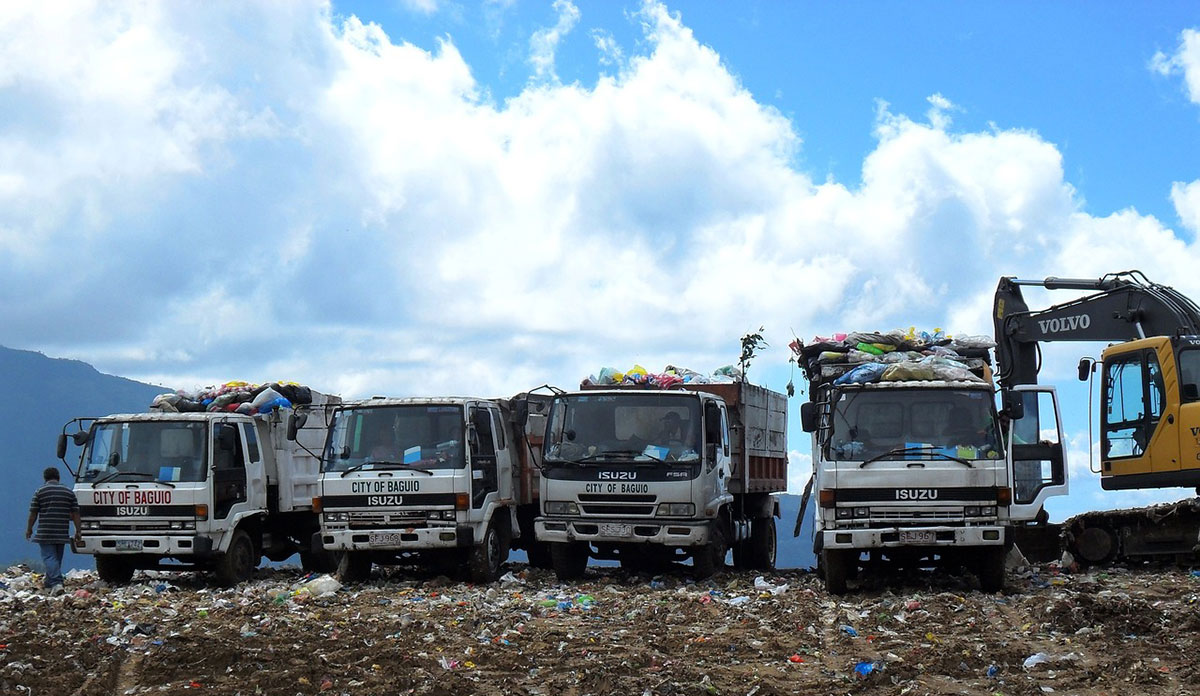
Huge mountains of discarded apparels are ending up in global landfills and the rest is shipped in the name of worthless donations to poorer countries in the global south. This is causing an environmental, economic, and social catastrophic situation. In fact, Africa has emerged the favorite dump yard of the world, and governments around the world including countries at fault are addressing waste colonialism from the Global North.
Regulators in the US and Europe are waking up to the mounting clothing waste problem that is clogging local landfills and introducing a new legislation called Producer Responsibility (EPR). This legislation requires brands to be responsible for environmental pollution and pay fees based on their product manufacturing output or set up their recycling programs which are applicable for other hard-to-recycle goods such as batteries, mattresses, and medical sharps.
Fashion brands to be accountable for over-production
The EPR legislations are based on the principle that manufacturers are the ones with the most control over product design and marketing and thus have a firm hold on controlling toxicity and waste and need to be held responsible instead of simply passing the buck on. The EPR legislation may take the form of a reuse, buyback, or recycling program.
The days of the use-and-throw policy seem on the way out as EPR regulations are forcing garment manufacturers to take responsibility for the impact of their product in the final stage of its life cycle and after consumption so that they design products that minimize environmental pollution.
The new legislation would be binding on many fashion companies to fund their respective textile recycling programs while paying for the volume of clothing they produce under rules separately proposed in California, New York, Sweden, the Netherlands and Italy and is under discussion in the UK and EU. Having remained relatively unchecked for decades, textile waste totals about 4 million tons each year in the EU while in the US, it is around 17 million tons in 2018, up 80 per cent from 2000.
France, Netherland and Sweden lead EPR campaign
In many countries such as France, this EPR program has now been passed into law to cover end-of-use clothing, linen, and shoes from January 2020. Last year, France targeted collecting 50 per cent of all the textiles put on the market, and from this collection, it aimed to reach 95 per cent reuse or recycling of textiles, and a maximum of 2 per cent waste. Several other European countries including the Netherlands and Sweden are also currently planning to strictly impose the EPR legislation.
Netherlands in fact has targeted by 2025 50 per cent textile products should be recycled or reused and are making it necessary for producers to report their figures annually so that by 2030, this target will increase to 75 per cent. In Sweden, EPR for textiles started in 2022 and is expected in 2028, at least 90 per cent of textile waste collected by the new system will be reused or sent for material recovery. Sweden’s target by 2028 is to reduce the average amount of textiles sent to landfill by 70 per cent. Many fashion brands such as H&M have already endorsed the bill and want to use 100 per cent recycled or sustainably sourced materials by 2030 although a lot of this high-tech material is currently not even commercially available.
Lululemon Athletica recently partnered Sydney-based Samsara Eco to turn apparel waste into recycled nylon and polyester. US-based Evrnu, is also working on converting clothing waste into yarns for new fabrics, and its first-ever product called Nucycl, made from discarded textiles with 98 per cent cotton content is already used by Zara and Pangaia. Premium footwear brands such as Adidas has launched their Ultra Boost ‘Made to be Remade’ trainers which are totally recyclable while outdoor brand Decathlon uses 39 million discarded plastic bottles each year to create hiking fleeces made of recycled polyester.
Resale, rental and repair will also help ensure garments are worn more times before entering waste streams and the new EPR legislations is expected to ensure that ensure that these stream outlets get narrower over the next decade.
Uganda Textiles Union broadens to include informal workers
In a powerful act of solidarity, five UTGLAWU members were arrested in Kampala while protesting wage theft and worker exploitation by Adidas, a multinational apparel corporation. The police response, arrests, and detentions exposed the oppressive environment faced by union leaders in Uganda's garment industry.
UTGLAWU, established in the 1950s, has grown into a registered union with 7,000 members, striving to represent workers in textile factories, SMEs, and home-based workers. Structural Adjustment Programs have devastated the sector, leading to job losses, factory closures, and increased informality, worsened by the COVID-19 pandemic.
Garment workers endure horrendous conditions, including abuse, delayed wages, and lack of insurance. Employers mishandle social security contributions, while salaries remain below a dollar a day.
Organizing workers in heavily guarded factories poses challenges, impeding unionization efforts. The influx of cheap secondhand clothing from the West undermines Uganda's textile industry. Promised employment opportunities through trade agreements like AGOA have failed to materialize. Workers turn to small businesses, but exorbitant taxes and rents hinder their survival.
Inflation, transportation costs, and delayed salaries exacerbate workers' struggles. The government's focus on job creation neglects labor conditions, perpetuating human rights violations. Urgent labor policy reform and government action are crucial to address these issues.
Bangladesh's Garment Exports Diversify Amidst Decline
Amidst negative growth in garment shipments to major destinations caused by inflationary pressure from the Russia-Ukraine war, Bangladesh has found a silver lining in rising exports to non-traditional markets.
From January to April this year, apparel shipments to non-traditional markets increased by 28.95% to $2.96 billion, accounting for 19.01% of the country's annual garment exports.
Japan emerged as the top destination among these markets, with $566.99 million in four-month shipments. Other non-traditional markets such as Australia, India, South Korea, and Turkey also saw rising exports. However, Bangladesh experienced declines in exports to Russia, the UAE, and Chile.
The Bangladesh Garment Manufacturers and Exporters Association (BGMEA) highlighted the growing potential of Asian markets like Japan, India, and South Korea.
While garment exports to the EU and the US declined, the upward trend in non-traditional markets has helped offset the overall decline. BGMEA emphasized the continued growth in shipments to non-traditional markets while acknowledging the challenges in major destinations like Germany.
EURATEX Decries EP Report's Sustainability-Competitiveness Imbalance
EURATEX, the European Apparel and Textile Confederation, has expressed concerns about the European Parliament's report on the EU strategy for sustainable and circular textiles. While EURATEX supports the EU Textile Strategy, it argues that the report fails to adequately address the industry's economic challenges and lacks a balanced approach to sustainability and competitiveness.
EURATEX acknowledges the report's focus on investing in research, and innovation, and supporting small and medium enterprises (SMEs). However, it argues that the report overlooks the strategic role of the European textile industry in advancing sustainability and the global competitive threats faced by local companies.
EURATEX emphasizes the necessity of a new regulatory framework with clear definitions, coherent rules, and effective controls. It also underscores the importance of considering different textile categories, distinguishing between fashion and technical textiles, as well as discerning between high-quality European products and low-quality alternatives.
Furthermore, EURATEX highlights the need to address consumer behavior and foster a stronger demand for sustainable textiles through improved communication, transparency, fiscal measures, green public procurement, and enhanced oversight of online marketplaces.
EURATEX calls upon the European Parliament to develop a balanced vision that reconciles sustainability and competitiveness while promoting dialogue among industry stakeholders, brands, and consumers.
European Parliament Tackles Fashion Industry's Harmful Effects
They also called for comprehensive 'Ecodesign' requirements for all textiles and footwear, as well as stricter liability measures for imported products sold online.
This decision aligns with the European Commission's 'Strategy for Sustainable and Circular Textiles,' which aims to transform the textile sector by promoting durability, repairability, reusability, and recyclability.
Stakeholders commend the parliament's actions and urge the European Commission to develop a robust plan for managing and reducing clothing waste in the EU.
Companies are encouraged to take responsibility for their textile waste, including supporting waste management efforts in countries like Ghana and Kenya, which receive excessive amounts of second-hand clothes from Europe.
Experts emphasize the need for the textile industry to adhere to social and environmental rights, condemning the unethical practice of destroying unsold goods.
They call for a swift ban on such practices across all product categories. The European Commission is urged to embrace the parliament's ambition by establishing binding reduction targets for the EU's material and consumption footprints.
Calvin Klein's Landmark Entry in New Zealand
Calvin Klein, the renowned fashion brand, has made its debut in New Zealand by opening its inaugural 'Calvin Klein Lifestyle' concept store in Queenstown. This move establishes the first-ever lifestyle store of its kind in the country. The 211-square-meter store, situated on Rees St, Queenstown, embodies the brand's signature minimalistic and modern aesthetic. Visitors will be greeted with a sophisticated combination of metal, concrete, and wood materials, complemented by striking campaign visuals that reinforce the brand's visual identity and showcase its latest collections.
The store caters to both men and women, offering a wide range of products, including underwear, jeans, performance wear, kids' apparel, menswear, womenswear, accessories, and footwear. This expansion follows the recent opening of a flagship store in Queenstown by another PVH-owned fashion brand, Tommy Hilfiger, indicating a strategic push to expand its retail network throughout New Zealand.
With global retail sales reaching approximately $9.3 billion in 2022, Calvin Klein remains a strong player in the industry. Since PVH's acquisition of Calvin Klein in 2003, the brand continues to prioritize its worldwide relevance, presence, and long-term growth through a focused approach.
Tom Glaser Headlines World Fashion Convention
The International Apparel Federation (IAF) and the Sewn Products Equipment & Suppliers of the Americas (SPESA) have announced that Tom Glaser, an industry veteran with extensive experience, will be a keynote speaker at the 38th World Fashion Convention.
The convention, themed "Our Industry in Transition: Building Stronger, Smarter, and More Sustainable Supply Chains," will take place in Philadelphia, Pennsylvania, from October 22-25, 2023.
Glaser has a successful career spanning various renowned companies, including Phillips-Van Heusen (PVH), VF Corporation, and Tapestry, Inc. His expertise in sales, sourcing, and operations positions him as an ideal speaker to share insights on the industry's past, present, and future.
Ed Gribbin, SPESA Chairman and IAF Treasurer, expressed enthusiasm about Glaser's participation, highlighting his comprehensive understanding of end-to-end supply chains across the Americas, Asia, and Europe. The event aims to gather leaders from the global apparel supply chain, fostering collaboration and addressing the industry's pressing challenges and opportunities.
The Convention will be held at Philadelphia's historic Bellevue Hotel, featuring networking events and additional activities like the IAF Golf Tournament and a Study Tour. Early bird registration is currently open, offering discounted rates for SPESA and IAF members. The event promises to be a platform for valuable insights and meaningful connections among industry professionals and stakeholders.
Brazilian Textile Firms Thrive at Emitex Trade Fair in Argentina
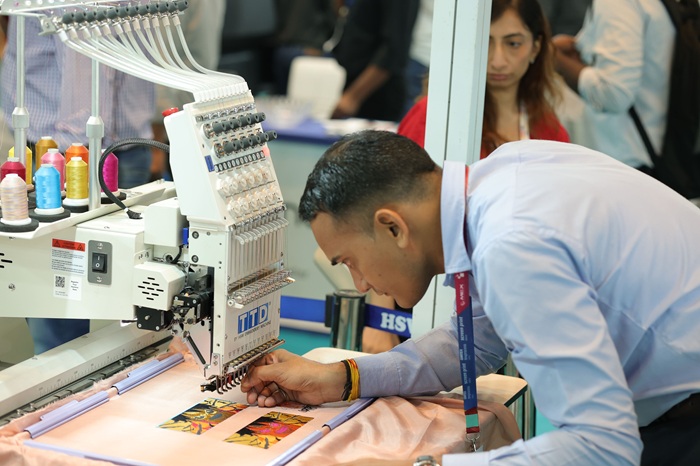
The annual Emitex trade fair, held from April 25th to 27th, brought together over 100 textile manufacturers, including thread, flat weave, and knitwear producers, as well as suppliers of materials, tools, accessories, and software machines. Brazilian companies Audaces, Santaconstancia, and Cardenas participated in the event with the support of Texbrasil, a program established through a partnership between Abit and ApexBrasil.
Emitex is an ideal platform for establishing contacts and gathering information for future productions. Brazilian companies exceeded expectations, generating 980 contacts and achieving revenue of over US$3 million in just three days.
Argentina's textile imports in 2022 grew by 29.8%, reaching approximately US$1.4 billion, indicating a resurgence in purchases and consumption in the country. Emitex, serving Latin America for nearly two decades, plays a vital role as a business generator for the sector.
Emitex showcased the latest advancements in design, products, and services with a focus on sustainability and technological innovation. The Denim Station, a popular attraction, provided insights into the Jeanswear segment. The event also offered an online catalog for companies to update their information for up to a year and a half after the exhibition.
Apparel import slight upward trend Q1 2023: Wazir Report
The reputed India-based consultants Wazir Advisors released their report on the first quarter of 2023, analyzing apparel imports and retail sales by four major economies, namely the US, the EU, the UK and Japan. The report also includes the analysis of India’s performance as an exporter of readymade garments.
The report indicates that in the US and the UK, imports of readymade garments were down whereas up in the EU and Japan (marginally so). This indicates a challenge for readymade garment manufacturing hubs globally, particularly in South and South East Asia as well as China. This is evident from the report that states that in April 2023, Indian readymade garments experienced 25 per cent fall compared to April 2022.
Declining imports of apparel in the US and UK
In the US, the first three months of 2023 experienced a down of 19 per cent whereas in the UK the figures were slightly less at 14 per cent. March 2023 was the month which experienced the sharpest decline, 32 per cent in the US and 18 per cent in the UK. However, it was the opposite in the EU and Japan as the first quarter of 2023 registered a rise in readymade garment imports by 10 per cent and 3 per cent respectively. Japan only registered a 6 per cent decline in February 2023 as opposed to March in the US and the UK.
In terms of imports, the ongoing US-Sino disputes indicate why the Chinese market share continues to slide downwards, with the first quarter of 2023 seeing China fall to 18 per cent, whereas Bangladesh and India gained 1 per cent each. Indonesia remained at 6 per cent and all the other countries from where the US imports readymade garments improved by 5 per cent, bringing their collective market share to 41 per cent. In the UK, it was the same story with China losing grounds and dropping to 17 per cent, losing 8 per cent from 2022. Bangladesh lost 2 per cent in the UK, which Italy gained and India remained steady at 6 per cent. It is insightful that the UK has indeed diversified its sourcing options as all other countries combined improved by 10 per cent, totaling 47 per cent.
Japan imported 5 per cent less from China in the first quarter of 2023 and the EU 1 per cent less. Bangladesh gained 1 per cent in both, the EU and Japan. In the EU, Turkey, Vietnam and India remained the same at 12 per cent, 4 per cent and 5 per cent respectively. In Japan, Vietnam and Cambodia remained the same at 16 per cent and 5 per cent respectively whereas the collective of all other countries Japan imports readymade garments from increased by 4 per cent.
Indian apparel export takes huge hits
In Apr 2023, India’s apparel exports are estimated to fall further down to US$ 1.2 Bn., which is 25% lower than in Apr 2022 exports. On YTD basis, the exports were 13% lower than in 2022. In India’s apparel export basket, UAE’s share has decreased by 6 per cent whereas France’s and UK’s share has increased by 1 per cent each, since 2021.
Store and e-commerce performance on track
In Q1 2023, online sales of clothing and accessories registered a growth of 2% over Q1 2022 and were 32% lower than Q4 2022 sales in the US. In the UK, in Q1 2023, online sales of clothing registered a growth of 13% over Q1 2022. In the US, physical store sales are estimated to be $ 18.6 billion in April 2023. which is 4% more than in April 2022. In Mar 2023, UK’s monthly apparel store sales were £ 4.2 billion. which is 11 per cent higher than in March 2022.
Target Faces $10B Valuation Drop Amid Pride Clothing Backlash
In the past 10 days, retail giant Target has experienced a $10 billion loss in market valuation due to the ongoing backlash surrounding its Pride-themed clothing line for children.
The company's stock value, which stood at $160.96 per share a week ago Wednesday, dropped to $138.93 per share on Friday, representing a nearly 14% decline. This plunge in value brings Target's market valuation down to $64.2 billion, its lowest in nearly three years.
The retailer's current predicament echoes a similar situation in 2022 when the company's stocks experienced a significant drop after an exceptional surge during the COVID-19 pandemic. Target has been caught in the crossfire of America's culture wars over gender, with recent protests leading to the relocation of the Pride section in some Southern stores and the removal of certain items from the collection.
While comparisons have been drawn to conservative boycotts against brands like Bud Light, Texas Senator Ted Cruz suggests that the impact on Target may be more substantial since viable alternatives are scarce. Cruz draws a parallel with Disney, which faced backlash in the past but remained a financial powerhouse due to its unique offerings.
Target's stock value decline of more than 22% in the last 10 days reflects the significant challenges the company currently faces.