FW
CMAI's FAB Show 2024 boosts apparel industry sentiments
The Clothing Manufacturers Association of India (CMAI) is set to host the highly anticipated 4th edition of the Fabrics Accessories & Beyond Show 2024 (FAB Show) from April 15 to 17, 2024, at the Bombay Exhibition Centre (NESCO) in Mumbai.
Positioned as the largest fair showcasing the entire supply chain to the country’s apparel manufacturers, FAB Show 2024 is expected to draw over 200 fabric suppliers, leading accessories manufacturers, machinery suppliers, real estate developers, and software developers. With more than 10,000 brands, manufacturers, retailers, and exporters attending, the event presents unparalleled opportunities for industry stakeholders to engage, network, and explore the latest innovations in textile manufacturing.
Anticipated to attract over 1500 top platinum buyers and more than 10,000 trade visitors, including both domestic and international buyers from key markets such as the USA, Bangladesh, UAE, Russia, and others, FAB Show 2024 is poised to be a global platform for industry players.
One of the key highlights of the show is the innovative zone dedicated to sustainability, reflecting CMAI’s commitment to promoting eco-conscious initiatives within the garment industry. Rajesh Masand, President of CMAI, emphasized the significance of FAB Show as a catalyst for trade and partnerships, aligning with the 'Make in India' initiative and driving technological advancements to adapt to changing consumer preferences.
Naveen Sainani, Chairman of the FAB sub-committee, underscored CMAI’s vision for a greener and more resilient world, where sustainability is integrated into all aspects of business operations. This year’s FAB Show heralds a new era for the Indian textile industry, emphasizing innovation, conscious consumerism, and brand responsibility.
With esteemed companies like Grasim, Arvind, Siyaram’s, and many others participating, alongside over 4000 primary CMAI members, including garment manufacturers, brand owners, and e-commerce platforms, FAB Show 2024 solidifies its position as India’s premier gathering for the fashion and apparel industry, catering to their sourcing requirements and shaping the future of the sector.
Karl Mayer Group to showcase innovations at IGATEX in Pakistan
The Karl Mayer Group is set to make a significant impact at the upcoming International Garment, Textile & Leather Machinery, Accessories & Technology Exhibition (IGATEX) event in Lahore, Pakistan, from May 1-4, 2024. With representatives from Madhani Associates and Nazer & Co., the global leader aims to strengthen its ties with South Asian clientele, particularly highlighting its warp preparation systems tailored for the Pakistani textile industry.
Pakistan stands as a pivotal market for Karl Mayer's acclaimed products like the Prosize sizing machine and the Warpdirect warping machine, integral components in the textile manufacturing process. Amidst the country's current challenges, including political turmoil compounded by post-pandemic economic strains, Karl Mayer 's Senior Sales Manager, Peter Obrist, emphasizes the importance of maintaining a robust presence to support clients.
Obrist anticipates fruitful interactions at IGATEX, citing past successes and the necessity to engage with customers during turbulent times. Alongside showcasing their offerings, including the Long Chain Beamer and Ball Warper tailored for the denim sector, Karl Mayer will address diverse textile needs through Nazer & Co., highlighting innovations in warp knitting machinery.
Mark Smith, Regional Sales Manager at Nazer & Co., underscores the versatility of Karl Mayer 's technology, featuring 4-way stretch articles for athleisure, plush fabrics for upholstery and toys, and terry fabrics ideal for beach and bath applications.
The Karl Mayer Group's participation at IGATEX underscores its commitment to fostering innovation and collaboration within Pakistan's dynamic textile landscape.
Double Stitch launches maiden GOTS-certified collection
Marking a significant stride in their eco-friendly initiatives, premium bedding brand under the parent company Bedsure, Double Stitch is launching its maiden GOTS-certified Organic Cotton Collection. Made from 100 per cent long-staple organic cotton fibers and treated with a garment washing process to enhance softness, the collection includes duvet covers and sheet sets.
Besides being GOTS certified, the collection also meets the Oeko-Tex Standard 100 highlighting Double Stitch's commitment to stringent environmental and ethical standards. The brand's eco-conscious ethos extends to its packaging, with each item being shipped in reusable boxes crafted from materials sourced from FSC-certified forests. Josh Zhu, CEO, Bedsure, says, the company is committed to offering its customers responsibly sourced, ethically made bedding.
Founded by Shinebed Global E-commerce Co, the parent company of Bedsure, Double Stitch caters to consumers seeking quality sleep preferences by blending contemporary style with affordable luxury. The brand's extensive product range includes duvet covers, sheet sets, throw blankets,etc.
Established in 2016, Bedsure has grown by at a CAGR of 100 per cent over the last five years.
Levi Strauss & Co appoints new Executive Vice President
Levi Strauss & Co has appointed Gianluca Flore as its new Executive Vice President and Chief Commercial Officer, effective July 29. Joining the executive leadership team, Flore will report Michelle Gass, President and CEO. He will be responsible for overseeing the brand Levi’s worldwide commercial operations, spanning retail stores, e-commerce, and wholesale channels.
With over two decades of experience in luxury apparel and lifestyle, Flore was previously engaged as the Chief Commercial Officer with Burberry since 2021. He was responsible for managing the brand’s operations across five regions and a vast retail network. He previously also led Burberry's operations in the Americas and led its global retail expansion.
Besides, Flore has also held several leadership positions at Kering, serving as CEO of Brioni and contributing to Bottega Veneta's success.
Welcoming Flore, Gass emphasised his role in LS&Co's transition towards a direct-to-consumer focus and denim lifestyle leadership. She highlighted his extensive experience in driving growth and operational excellence in the fashion industry.
European Commission terminates inquiry for alterations in sales periods
The European Commission has ended its two-year-long inquiry into a consortium of fashion designers who advocated for alterations in sales periods and discount practices, citing ‘priority reasons’. This move follows the raids conducted by EU antitrust regulators on several fashion companies in May 2022, sparked by concerns of potential price-fixing collusion. The Commission, however, refrained from disclosing the names of the companies involved.
The investigations were initiated following an open letter circulated in 2020 by a group of fashion designers, urging significant reforms within the industry to enhance environmental and social sustainability. Among the signatories were renowned names like Dries Van Noten, Thom Browne, Proenza Schouler, Lane Crawford, Mary Katrantzou, Gabriela Hearst, Altuzarra, and Missoni Group.
A spokesperson for the European Commission clarifes, the European Commission has opted to terminate its preliminary examination into this matter due to priority reasons. The closure does not imply a determination of compliance or non-compliance with EU competition regulations regarding the conduct under scrutiny.
Accelerating Circularity to launch Global Cotton Report at upcoming Chicago conference
Marking a significant milestone in its mission to transition the textile industry from a linear to a circular model, non-profit organisation Accelerating Circularity will launch its Global Cotton Report at the upcoming Circularity24 conference in Chicago next month
A culmination of exhaustive system trials conducted in both the US and Europe, the report offers valuable insights into the feasibility, scalability, and impact of circular textile-to-textile recycling processes. It represents Accelerating Circularity's commitment to reshaping the textile industry into a more sustainable and environmentally friendly sector.
One of the key highlights of the report is the successful development and market introduction of various trial products, including cotton and cotton-blend garments, which demonstrate the viability of achieving substantial recycled content goals. These trials mark a pivotal step towards reducing the industry's environmental footprint and aligning with global sustainability targets.
Sarah Coulter, Representative, Accelerating Circularity, emphasises on the collaborative nature of the organisation. The organisation brings together stakeholders across the value chain to drive innovation and action in the textile industry, she says. According to Coulter, more than just a collection of findings, the Global Cotton Report is a blueprint for transformative change.
Attendees of the Circularity24 conference will have the opportunity to delve into the report's findings, gaining a deeper understanding of circular textile production and the collaborative model that underpins these achievements. The event will serve as a platform for knowledge exchange, networking, and empowerment for individuals dedicated to catalysing systemic change within the economy.
NCTO fights economic crisis, trade challenges
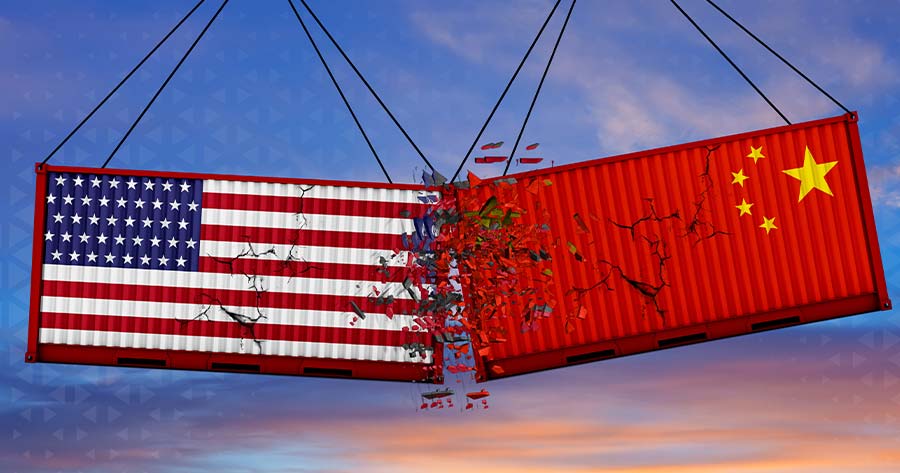
In his address at the National Council of Textile Organizations (NCTO) 20th Annual Meeting, Chairman Norman Chapman painted a stark picture of the US textile industry's struggle against economic turmoil exacerbated by unfair trade practices and customs fraud. Emphasizing the industry's vital role in the economy, particularly in national defense and public health, Chapman highlighted the urgent need for action to counteract the damaging effects of predatory trade behavior.
Despite the industry's resilience and innovative spirit, Chapman acknowledged the severity of the crisis, attributing it to deteriorating market conditions and lax customs enforcement. The consequences, including historic inflationary pressures, weak consumer demand, and a contraction in manufacturing, have been profound, not only for domestic producers but also for hemispheric partners reliant on US free trade agreements.
NCTO's advocacy efforts, however, have not gone unnoticed. Chapman underscored the organization's successful collaboration with Congress and the Biden administration in addressing critical issues facing the industry. From intensifying pressure to close loopholes facilitating illegal trade to safeguarding free trade agreements and enhancing government procurement of US textile-based products, NCTO's achievements have reverberated at the highest levels of government.
One notable milestone was President Joe Biden's historic visit to an NCTO member facility, symbolizing recognition of the industry's competitiveness and economic significance. Yet, the road ahead remains fraught with challenges, necessitating continued engagement with policymakers to shape effective policies supporting industry growth and resilience.
Key among NCTO's policy priorities is strengthening customs enforcement, particularly against unfair trade practices and fraudulent activities. With a focus on combating slave labor and origin fraud, NCTO has rallied bipartisan support and secured commitments from government agencies to address enforcement concerns.
The Section 321 De Minimis provision, a contentious issue in US trade law, has been a focal point of NCTO's advocacy efforts. By highlighting its detrimental impact on domestic producers and advocating for legislative action, NCTO aims to close this loophole and level the playing field for American manufacturers.
Looking ahead, NCTO remains committed to navigating economic uncertainties and trade challenges, leveraging partnerships with Western Hemisphere allies and capitalizing on onshoring and nearshoring trends. Chapman expressed confidence in the industry's ability to overcome obstacles and reinforce its position as a cornerstone of the US economy, underscoring the importance of industry leadership and engagement in shaping favorable policy outcomes.
Beyours Survey: Classic style dominates male fashion
Beyours, a trailblazer in men's fashion, reaffirms its dominance with a recent survey unveiling strong consumer preferences and sales data. Leading the charge is the timeless classic shirt, capturing a substantial 34 per cent of the brand's total sales.
Following closely are the versatile Air Joggers and functional Air Cargo pants, securing 16 per cent and 10 per cent of sales respectively. This underscores Beyours' unique ability to seamlessly blend traditional elegance with modern functionality, resonating profoundly with consumers' tastes and lifestyle needs.
Looking forward, Beyours prepares to redefine men's fashion standards with a range of upcoming products. Among these are the innovative Stain & Water Repellent Hybrid Trousers, catering to the modern man's demand for both style and durability. Additionally, the Easy Linen Trousers offer a blend of comfort and elegance, ideal for warmer seasons.
In a bold stride towards inclusivity, Beyours announces plans for a women's wear line, aiming to cater to a broader audience and meet the increasing demand for high-quality, stylish clothing. Founders Ashish and Nilesh express their commitment to innovation and quality, promising products that exceed customer expectations.
This announcement marks a pivotal moment for Beyours as it solidifies its position as an industry leader, known for quality, style, and innovative designs. Beyours sets the standard for men's fashion and is poised to make a significant impact in women's fashion as well.
Uniqlo trims China footprint while chasing growth
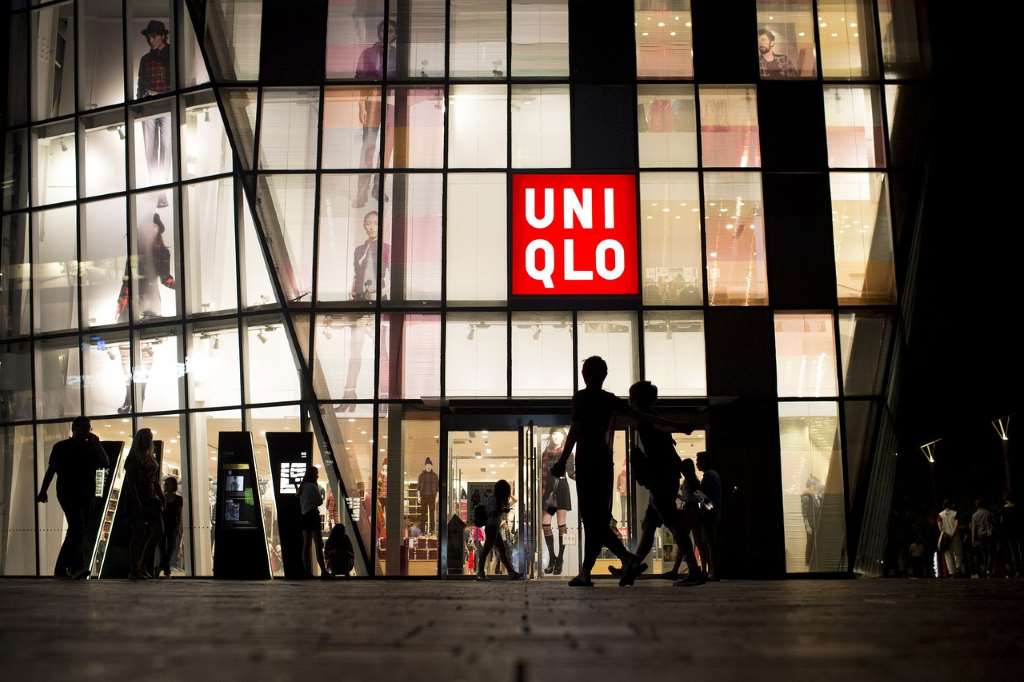
Uniqlo's story in China is one of explosive growth. Entering the market in 2002, it capitalized on the country's rising middle class and growing demand for high-quality basics at affordable prices. Uniqlo's focus on innovation, like its HeatTech thermal wear, and its commitment to functionality resonated with Chinese consumers. By 2023, Uniqlo had over 1000 stores in China, dwarfing its presence in any other market.
Uniqlo's rise in China
Uniqlo entered China in 2002, capitalizing on the country's booming economy and growing middle class. Their affordable, high-quality basics resonated with Chinese consumers. Here's what trigger their success.
Value proposition: Uniqlo offered stylish yet practical clothing at competitive prices, a sweet spot for value-conscious Chinese shoppers.
Strategic locations: The brand established itself in major cities with high foot traffic, ensuring maximum exposure.
Localization: Uniqlo catered to local preferences by offering HeatTech innerwear for cold winters and airy fabrics for hot summers.
Shifting tides, reasons behind store closures
Despite the initial success, Uniqlo's China dream seems to be facing some challenges. Several factors are contributing to the store closures:
One major reason is saturation, with over 1,000 stores, Uniqlo might have reached a saturation point in some areas. This can lead to cannibalization, where new stores eat into the sales of existing ones. Despite the vast store network, sales haven't reached the heights achieved in Japan. As CFO Takeshi Okazaki admitted to the Nikkei, "the company’s goal is to achieve similar average store sales in China as in Japan within 10 years." This ambitious target exposes the underperformance of many existing stores. In fact, Okazaki says, beyond August 2025, there’s a possibility of maintaining a low net increase in store numbers. This shift suggests a move towards a more strategic store network, focusing on prime locations and high-traffic areas.
Shifting consumer preferences is another factor. Chinese consumers are becoming more fashion-forward, demanding greater variety and trendier designs. Uniqlo's core focus on basics may not be enough to keep up. Increased competition from other players like H&M and Zara, has squeezed Uniqlo's market share.
China's e-commerce market is thriving, and consumers are increasingly comfortable shopping online. Uniqlo needs to adapt its online strategy to capture this growing segment.
Table: Uniqlo’s store and sales
Uniqlo stores in China (as of August 2023): 1,031
Uniqlo stores in Japan (as of August 2023): 800
Uniqlo's sales in China (as of August 2023): Yen 620.2 billion
Uniqlo's sales in Japan (as of August 2023): Yen 890.4 billion
Managing the challenge
Uniqlo's plan to address this challenge is multifaceted. Closing unprofitable stores is just one part of the equation. While closing underperforming stores and its opening new ones in high-traffic areas, with this Uniqlo aims to improve average store sales and profitability.
The company also aims to boost its online presence. E-commerce sales in China already contribute 20 per cent compared to 15 per cent in Japan, and Fast Retailing wants to further leverage this channel.
Impact on China's fashion retail
Uniqlo's presence has significantly impacted China's fashion retail landscape. They introduced the concept of high-quality basics at affordable prices, which many domestic brands have adopted. While Uniqlo's store closures might create some short-term disruption, it could also push domestic brands to further innovate and differentiate themselves.
In fact, Uniqlo's struggles serve as a cautionary tale for other foreign retailers in China. The market is dynamic, and consumer preferences evolve rapidly. Uniqlo's experience underscores the need for continuous innovation and adaptation to stay ahead of the curve. While the store closures might have a localized impact on employment and competition, the overall fashion retail landscape in China is likely to remain vibrant, driven by domestic players and new entrants.
Cotton fabric trends for Autumn/Winter 2024 by Italtex
As predicted by textile trendsetter, Italtex the autumn/winter 2024 promises to be luxurious and eco-conscious season with cotton taking the center stage in collection with a focus on rich colors, playful textures, and sustainable practices.
Here's a peek at a few of these exciting upcoming trends in cotton:
1. Rising supremacy of lilac & purple: This season, cotton embraces elegance with purple and soft lilac hues adorning jacquards. These would sometimes be paired with bold abstract prints. The color purple will take on various forms ranging from classic suits to modern tweeds, thus offering something for every style.
2. Modern twist to winter blues: Winter blues will get a refreshingly modern twist as they intertwine with grays in jacquard wool coats. Graphic motifs and unexpected details like 3D-printed flowers will adorn knit felt. The shade blue will be combined with cream and red in chunky tweeds to give them a more sporty look. Cotton knits will be transformed with shimmering chenille and playful transparency effects. Rich, velvety blues with eye-catching prints will add a touch of drama to the outfit.
3. A sensual touch to black: This season black takes on a sensual and innovative approach with intricate embroideries on delicate tulles creating a captivating lace-like effect. Boldness will rule with shiny coatings on geometric jacquard jerseys. Textures take center stage with embossing on lightweight fabrics and technical applications on parachute cloth, softened by beautiful embroidery. Ultra-light jerseys will showcase tattoo like patterns with their stunning interplay between opacity and transparency.
Thus, the cotton fabric trends for A/W 2024 promise a captivating blend of timeless elegance, eco-conscious practices, and cutting-edge innovation.