FW
Jordan's Textile Sector Aims for Global Prominence
The leather and textile industries sector in the Jordan Chamber of Industry, believes that aligning sector-related initiatives with the vision of economic modernization will propel Jordan's textile industry to become a prominent global player. Currently, the textile sector ranks 16th globally in terms of exports from the Kingdom, with a notable position as the 12th largest exporter to the US market.
Textile Sector's Global Rankings and Jordan's Leading Position: The Chamber highlighted that Jordan leads among Arab countries, with the textile sector's exports accounting for 2 percent of the total US imports of clothing products. This achievement showcases Jordan's significant contribution to the global textile market. The sector's performance indicators are expected to triple over the next decade, aiming for textile exports worth approximately $7.3 billion compared to $2.1 billion by the end of 2022.
Driving Growth through Initiatives: To achieve these ambitious goals, it was emphasized that the importance of effectively implementing sector-specific initiatives. These include enhancing value chains both vertically and horizontally, establishing integrated industries, fostering skilled labor, attracting more investments, and promoting interconnection between companies. These efforts will enhance productivity, competitiveness, and product diversification within the sector. Furthermore, they will enable market entry into new territories while boosting export momentum in existing traditional markets.
Positive Impact on Employment and Economy: The successful implementation of these objectives will generate approximately 149,000 new employment opportunities for Jordanians within the economy. This will contribute to reducing unemployment rates and lead to improvements in overall economic performance. The growth of the textile sector will have positive effects on various economic and social indicators at the national level.
Jordan's textile industry has the potential to become a global player, and the implementation of sector-specific initiatives aligned with the vision of economic modernization is crucial for achieving this. With its current global rankings and leading position in Arab countries, Jordan's textile exports are expected to triple in the coming years. By focusing on enhancing value chains, attracting investments, and fostering interconnectivity, the sector will witness increased productivity, competitiveness, and product diversification. These advancements will not only contribute to the textile industry's global prominence but also create numerous employment opportunities, resulting in improved economic performance for Jordan as a whole.
Vietnam Overtakes Bangladesh in Canadian Apparel Exports
In 2022, Vietnam emerged as Canada's second-largest apparel exporter, surpassing Bangladesh, largely due to the Comprehensive and Progressive Agreement for Trans-Pacific Partnership (CPTPP). Bangladesh's apparel exports to Canada reached $1.73 billion, recording a solid 35.2% growth compared to the previous year.
While China remains the leading apparel exporter to Canada, both Bangladesh and Vietnam have made significant progress. Over the past five years, Bangladesh's market share in Canada increased from 11.61% to 13.9%, while China experienced a decline from 38.53% to 30%.
Vietnam Surges in Canadian Apparel Exports
However, Vietnam's exports experienced an even more remarkable surge, totaling $1.75 billion, with a growth rate of 46.35%. The CPTPP, which facilitated duty-free access between Vietnam and Canada, played a crucial role in Vietnam's achievement.
Although Bangladesh currently enjoys duty-free market access to Canada, this advantage might change after its transition from a least developed country (LDC) to a developing nation in 2026.
Bangladesh Faces Duty Challenge
Consequently, Bangladesh may face a 17% duty on its apparel products, while Vietnam will maintain its duty-free privileges. These developments underscore the importance of diversifying product offerings and exploring trade agreements to sustain competitiveness and secure continued access to the market.
Birla Cellulose & TextileGenesis: Tracing Sustainable Fibres
Birla Cellulose has achieved the prestigious Dark Green Shirt status for their efforts in conserving ancient and endangered forests and implementing circular business models. Partnering with TextileGenesis, Birla Cellulose aims to scale its circular business model and provide end-to-end traceability through its blockchain-based GreenTrack platform. Already onboarded by 90+ brands and 1500+ value chain partners, the platform tracks over 56,000 metric tons of fibre globally.
Driving Sustainable Fashion Through Traceability
The collaboration aligns with the industry's increasing focus on sustainability, with top fashion brands committing to 100% sustainable and traceable fibers. TextileGenesis supply chain traceability platform, powered by Fibercoins traceability technology, delivers transparency solutions and empowers consumers.
This partnership strengthens Birla Cellulose's sustainable credentials and enhances brand-consumer connections. By prioritizing transparency and traceability, Birla Cellulose and TextileGenesis drive positive change in the fashion industry while meeting the demand for comprehensive visibility across the value chain.
Bangladesh's Exports Flourish in Australia
Bangladesh's exports to Australia have surpassed total exports of $12 billion, marking it as a lucrative non-traditional market despite global economic challenges. In the fiscal year 2022-23, Bangladesh earned $1.05 billion from the Australian market, showing a remarkable 34.3% year-on-year growth and contributing 2.3% to the country's total export earnings.
Despite global challenges
The success can be attributed to duty-free market access, product diversification, robust marketing strategies, and the geopolitical conflict between China and Australia. Australian importers have gained confidence in sourcing apparel from Bangladesh due to the country's long-term policy declarations and commitment to duty-free access beyond 2026.
Experts predict that Bangladesh's export earnings in Australia could double or triple in the near future if the positive trajectory continues. To achieve this BGMEA emphasizes the importance of expanding exports of non-cotton goods and the need for 10% cash incentives.
Export Expansion Through Diversification
While the current export basket includes products such as readymade garments, home textiles, leather goods, footwear, jute goods, and pharmaceuticals, there is room for diversification.
The Australian market has shown a preference for high-end RMG and home textile products. With Australia's focus on diversifying sourcing destinations due to the China-Australia geopolitical crisis, Bangladesh can leverage its competitive advantages in quality and cost-efficiency to increase market share. Additionally, the proximity of New Zealand offers further prospects for exports through Australia.
China's Garment Market Share Declines
National Business Group Pakistan highlights China's diminishing share in the global ready-made garments market.
Opportunity for India and Bangladesh
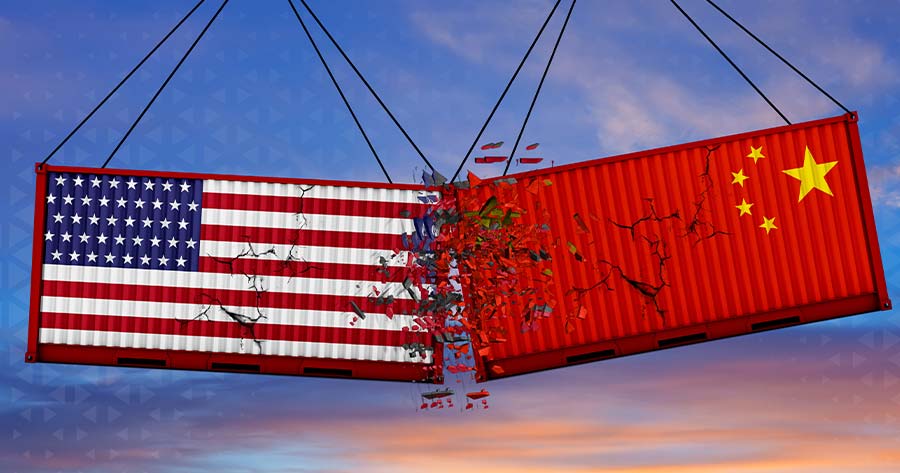
This decline is driven by escalating business costs and strained relations with Western countries, including factors like rising wages and policy changes. In response, India and Bangladesh are capitalizing on the opportunity by expanding their capacity, boosting exports, and attracting Chinese industrialists.
It was further emphasized Pakistan's need to leverage this situation by creating favorable business conditions for Chinese industrialists, resulting in economic improvement and increased employment. Pakistani exporters should also redirect their focus towards trading with Japan, a major global importer of garments.
As China's market share continues to dwindle, Bangladesh emerges as the primary beneficiary, surpassing China, Vietnam, and Indonesia in the American market. India, ranking second, actively establishes large-scale ready-made garments units and offers low-interest loans to stimulate export growth and generate employment.
In contrast, Pakistan's exports face challenges due to rising costs, political unrest, and an unfavorable environment for economic reforms.
Sri Lanka's Apparel Exports Plummet, Industry Struggles
The apparel sector in Sri Lanka is confronted with substantial obstacles, including multi-year lows in exports and an ongoing downward trajectory. In April, exports plummeted by 24% to $318 million, exacerbating the year-on-year decline of 17% to $1.5 billion in the first four months of 2023. This decline affected all major markets.
April 2023 witnessed the lowest export value in recent years, except for the COVID-affected year of 2020, with the previous nadir recorded in April 2018 at $323 million. Similarly, cumulative exports in the first four months of 2023 reached their lowest level, aside from the COVID-impacted year, falling below the $1.6 billion range observed in both 2018 and 2021.
Sri Lanka's Apparel Sector Struggles
The decline in April surpassed the 11% drop observed in March, marking the fourth consecutive month with exports below the $400 million mark. Apparel exports have consistently dwindled year on year since September of the previous year.
Market analysis reveals a significant decrease in apparel exports to the US, down by 25.5% to $129 million in April. The EU (excluding the UK) experienced a sharp decline of 27.53% to $90 million, while exports to the UK dropped by 26.7% to $45.8 million. Additionally, exports to other countries decreased by 9% to $53 million.
Export Slump and Prolonged Downturn
Several factors contribute to this challenging situation, including heightened market inventories and escalating costs in Sri Lanka. Industry experts note that Sri Lanka's apparel sourcing has become comparatively expensive, leading customers to seek lower-cost alternatives in countries like Bangladesh, Egypt, and African nations. The country's loss of competitiveness is evident through higher prices and longer lead times, dissuading potential buyers.
Future Orders Bleak, Earnings Slump
Furthermore, the outlook for future orders appears bleak, with textile imports in the first quarter of 2023 declining by 31% to $604.6 million. While textile imports experienced a 16% growth in the first half of the previous year, overall growth stagnated at $3 billion for the entire year.
As a result, industry experts predict a substantial slump of $1 billion in Sri Lanka's apparel export earnings for 2023. This decline compounds the challenges faced by the crisis-hit country, grappling with a severe financial crisis triggered by a significant reduction in foreign exchange reserves.
The apparel sector, serving as Sri Lanka's largest industrial export, played a vital role in supporting the country during this crisis, generating $5.95 billion in earnings in 2022. However, the current situation presents a formidable challenge as Sri Lanka navigates through its worst financial crisis since independence.
JD Sports Fashion: Record-Breaking Performance & Growth Strategy
UK-based sports and outdoor retailer, JD Sports Fashion, has reported impressive fiscal year 2023 results, demonstrating its strong performance in a competitive market. The company achieved total revenue of £10.12 billion, a significant increase from £8.56 billion in FY22.
Profitability and Expansion Fuel Success
While there was a slight decline in the gross profit percentage, dropping to 47.8% from 49.1% in the previous year, JD Sports Fashion still achieved a remarkable operating profit of £1.06 billion and a profit before tax of £440.9 million. However, there was a decrease in basic earnings per ordinary share, falling to 2.76p in FY23 from 7.17p in FY22.
To sustain its growth momentum, JD Sports Fashion has outlined a comprehensive strategy that aims for double-digit annual revenue growth, market share expansion, and a double-digit operating margin in key regions over the next five years. The company has allocated £500 million to £600 million annually to support its expansion plans.
These impressive financial results and ambitious future plans reflect JD Sports Fashion's confidence in its ability to seize market opportunities and solidify its position as a leading player in the sports and outdoor retail industry. The company's continuous pursuit of excellence and growth reinforces its standing in the global market.
Vietnam's Garment Exports Experience Significant Decline
Vietnam's garment exports are facing a substantial decline, with export earnings dropping by 19.3% to $9.6 billion during the January-April period, following a 17.4% decline in the first quarter. This decline can be attributed to reduced consumer spending in major markets and the looming possibility of a recession.
Export Slumps, Japan Provides Hope
Shipments to the U.S. and China have been severely affected, experiencing slumps of over 30%, while exports to Europe fell by 12%. However, there is a glimmer of hope with a 6.6% increase in garment exports to Japan as the country emerges from a technical recession.
The textile and garment industry is a vital component of Vietnam's economy, acting as a major export earner. The decline in earnings from this sector adds extra pressure to the country, which experienced slower economic growth of 3.32% in the first quarter compared to previous years. Local garment and textile manufacturers are grappling with a credit crunch, hindering their access to working capital from commercial banks. This shortage of funds has pushed some companies into a debt repayment crisis.
April US Retail Sales Rebound Amidst Economic Uncertainty: NRF
The National Retail Federation (NRF) reports that retail sales in the US saw a significant rebound in April, indicating growth when compared both month-over-month and year-over-year.
US Retail Sales: Mixed Category Performance
Analyzing data from the US Census Bureau, the NRF identified positive trends in four out of nine retail categories. While sales in clothing and clothing accessory stores experienced a slight decline, online and other non-store sales demonstrated noteworthy growth.
As per NRF consumers continue to exercise caution due to ongoing economic uncertainties. The NRF expects modest progress in consumer spending throughout the year, although a deceleration in year-over-year growth is anticipated.
India: Arvind Ltd posts profits in Q4FY23 results
Arvind Ltd, a leading textile manufacturer, showed resilience by achieving a 12% increase in net profit for Q4 FY 2022-23, despite a 14% decline in revenue. Net profit reached Rs 97 crore ($12 million), up from Rs 86 crore in the same period last year.
The revenue decline was due to soft denim and garment volumes, but the Advanced Materials segment maintained momentum with a 22% increase in top-line performance and improved margins.
Growth and Sustainability Soar: Arvind's Success
Arvind remains optimistic, planning investments of Rs 600 crore to expand capacities and enhance sustainability initiatives. This strategic approach demonstrates the company's adaptability to evolving market dynamics. FY 2022-23 saw exceptional financial performance for Arvind, with a remarkable 71% increase in net profit and successful reductions in net and long-term debt.
The company's board recommended dividends and aims to raise Rs 200 crore through Non-Convertible Debentures, strengthening its financial position.
Arvind's ability to capitalize on tax gains and maintain a positive consolidated net profit highlights its astute management in a volatile market. With a focus on Advanced Materials and sustainability, Arvind is positioned for future growth and success in the textile industry.