FW
Indonesia's IN2MOTIONFEST showcases Modest Fashion in Dubai
Indonesia's Fashion Chamber, the Central Bank of Indonesia, and the Consulate General of the Republic of Indonesia in Dubai are presenting the Indonesia International Modest Fashion Festival (IN2MOTIONFEST) in Dubai.
The event, which is being held as part of the Indonesian Investment Forum in Dubai, is showcasing the beauty of Indonesian Heritage Textiles (WASTRA) to an international audience. The event is featuring three prominent Indonesian designers collaborating with Wastra SMEs under the Bank of Indonesia's SME development program.
IN2MOTIONFEST aims to become a world-renowned modest fashion event that supports Indonesian designers and brands to compete in a global landscape. The event seeks to enhance the capacity and linkage among domestic and global industry players.
The global Muslim fashion market is currently around US$313 billion and is expected to reach US$375 billion by 2025. With Indonesia's current trajectory, they are poised to capture a significant share of the global modest fashion market in the coming years.
The Middle East is an important market for the Indonesian modest fashion industry to harness, and events like IN2MOTIONFEST help promote the best of Indonesian modest fashion products to the world.
Dubai to host inaugural Fashion Week to solidify position as global fashion hub
The Dubai Design District (d3) and the Arab Fashion Council (AFC) have joined forces to create the inaugural Dubai Fashion Week (DFW), set to begin on March 10th and run until March 15th, 2023. The event marks a new chapter in the region's fashion journey and will become the definitive fashion fixture in the region.
DFW will feature catwalk shows across new venues and locations in Dubai, as well as city-wide events showcasing both global brands and regional talents, cementing Dubai's position as a global fashion hub. The event is expected to draw international collaborators, designers, visitors, and media, along with an extensive gathering of buyers arriving in Dubai following Paris Fashion Week, to view the Autumn Winter 2023/24 collections.
The event is a testament to the TECOM Group's commitment to establishing Dubai as a global creative capital and enhancing the Emirate's status as a global hub for business growth and investment.
To commemorate the first official Dubai Fashion Week and further grow Dubai's status as a global fashion capital, a number of exciting initiatives will be launched during the week. These include the unveiling of a steering committee for Dubai Fashion Week, a buyers committee, and a permanent designers committee, working under the AFC's supervision to ensure the event's goals and vision are met in a dynamic and sustainable way.
Cambodia launches aid program for suspended factory workers amid economic downturn
Cambodia's Ministry of Labor has unveiled a new programme to aid workers who have been suspended by factories during the economic downturn. Considering the impact of the global economic crisis caused by the Russia-Ukraine war and the Covid-19 pandemic, which has led to a decline in orders, an increase in the suspension of employment contracts, and other production-related costs that have not yet reduced.
Under the new programme, which will be implemented from April 2023, the government will contribute $40 and the factory will contribute $30 towards cash interventions for suspended workers during the period of contract suspension.
Earlier this year, the Council for the Development of Cambodia (CDC) approved three investment projects for the apparel sector that will create up to 5,000 jobs.
However, Cambodian footwear exports to the EU and US may continue to decline for the first half of 2023, with footwear orders falling by potentially as much as 30 per cent.
Home Textile products market expected to reach US$140 bn by 2027, says study
The global home textile products market is expected to reach a valuation of US$140 billion by the end of 2027, growing at a CAGR of 5 per cent during the forecast period from 2019 to 2027, according to a new study by Transparency Market Research.
The study presents a detailed assessment of macroeconomic and microeconomic factors that have shaped the industry dynamics. An in-depth focus on the industry value chain helps companies to identify effective and pertinent trends that define customer value creation in the market. The analysis also provides data-driven and industry-validated frameworks for understanding the role of government regulations and financial and monetary policies, and how these factors will shape the value delivery network for companies operating in the market.
Germany's manufacturing sector shows mixed trends in January 2023
In January 2023, Germany's real new orders in manufacturing increased by 1.0 per cent on a seasonally and calendar adjusted basis, with a larger increase of 2.9 per cent when excluding large-scale orders.
However, compared to the previous year, new orders decreased by 10.9 per cent on a calendar-adjusted basis. Domestic orders decreased by 5.3 per cent compared to the previous month, while foreign orders increased by 5.5 per cent, with orders from the euro area decreasing by 2.9 per cent and orders from the rest of the world increasing by 11.2 per cent.
The intermediate goods sector saw a significant decrease in orders by 8.9 per cent compared to the previous month, while new orders in the consumer goods sector declined by 5.5 per cent. Revised provisional figures showed that new orders were 3.4 per cent higher in December 2022 than in November 2022.
Real turnover in manufacturing increased by 0.2 per cent in January 2023 compared to December 2022, after seasonal and calendar adjustment. However, a revision of provisional figures revealed a decrease of 1.5 per cent in December 2022 compared to November 2022. In January 2023, the calendar-adjusted turnover was 0.4 per cent lower than in January 2022.
Overall, the figures suggest mixed trends for the manufacturing sector in Germany, with some sectors and foreign orders showing growth while others experienced declines.
Garment factories face threat of climate change as heat waves impact productivity, worker health
Bangladeshi garment and textile manufacturers are facing the threat of climate change to its business, as a heat wave dented productivity last year, factories faced increasing flooding risks. Climate change is a growing threat that cannot be ignored.
Despite some efforts to alleviate the impact of extreme heat on garment workers, across the industry, measures to address climate change remain inadequate, said a climate expert at Bangladesh's Center for Environmental and Geographic Information Services (CEGIS). Heat stress exacerbated by climate change can cause an average loss of 2%-2.5% in daily work hours. The Griffith University study suggests better ventilation and cooling on the factory floor and making water available to workers as solutions.
The pressure on clothing factories to adopt greener production methods and to protect their workers and operations from the negative effects of climate change is coming largely from global brands, as well as regulation in key export markets.
The European Union is the largest destination for Bangladesh's apparel exports, importing $13.73 billion worth of clothing from July 2022 to January 2023. The EU is increasing climate action, requiring companies to report on carbon emissions caused by their supply chains, known as "scope 3" emissions.
The World Bank Group's International Finance Corporation (IFC) runs a programme that supports factories in Bangladesh to take measures to curb their environmental and climate impacts. More than 180 garment factories in Bangladesh have received LEED certification, an international standard for green buildings, the highest for any country's garment industry.
Men’s formal suit segment undergoes alterations
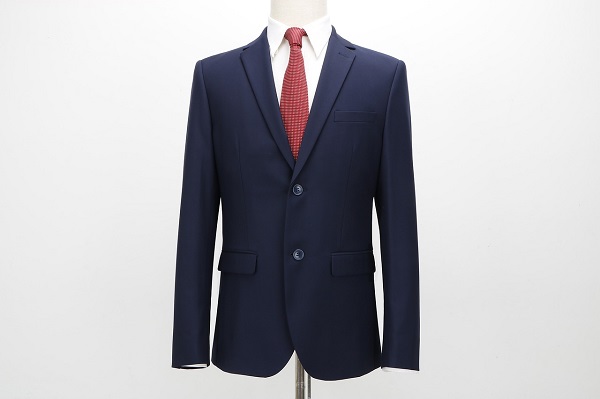
The traditional classic readymade men’s suit will always stay relevant in the premium formal wear retail segment, even if its popularity has slightly waned in post-Covd dress-down times. With an USP of making the wearer stand out whenever and wherever, this is a forever style even when bespoke or made-to-measure suits that create a new model for each customer are now competing neck-to-neck in premium outlets.
Growing love for tailored suits
The global market for tailored suits is rapidly growing with increasing number of luxury brands tailoring made-to measure suits while displaying a versatile portfolio of readymade suits. The post-Covid global formal wear market is highly dynamic with a growth projected CAGR of 4.1 per cent between 2020 and 2026. Within this, the sub-segment of tailored suits is expected to grow rapidly geographically with Europe being the main consumption region followed by North America.
As Jatin Malik, well-known fashion designer for men’s party and wedding wear explains, a global shutdown for two years, and a remarkable shift towards casual, streetwear and unstructured silhouettes, year 2023 saw the return of tailored fits, like three-piece or double-breasted suits. Malik says, the change is happening not just in India but around the world, as people are beginning to choose comfort over fashion on many occasions. However, one always chooses the classics for special occasions, regardless their current fashion choices.
The transformation of classic suits
However, the traditional men’s classic suit as the seasonless attire is now also making way for innovative styling and rule-breakers that include anti-fit silhouettes, unexpected sporty layering and broken tailoring. These suits that need tailoring and eliminate large costs have been a strong trend season after season and mainly appeal to the younger generation.
The recent edition of Pitti Uomo, a bi-annual Italian menswear trade show hosted in Florence in January 2023, showcased a selection of made-to-measure double-breasted suits crafted in heritage fabrics. And there were many other innovative designs.
Many Indian menswear designers displayed their innovative portfolios at the trade fair. They point out, this new popularity of bespoke tailored suits with new iterations will be the way forward for men’s formal dressing in India and around the globe.
Designer Raghavendra Rathore known for his famous bandhgalas opines, on one side, it will be the coterie that understands and imbibes the values of classic culture and on the other side, a more sustainable and post-covid lobby that will push for ease through cut, style and fit across products in one’s wardrobe. Rathore believes, fast fashion brands make more profits in non-structured clothing. They have, therefore, speeded up the process of emulating brands like Zegna, to offer non-fitted ready-to-wear formal looks.
E-commerce push up sales
Though these tailored suits are a cut above when it comes to fitting and style, there are disadvantages such as the long waiting time and frequent visits to tailor's shop for trials before the final outcome. However, now many e-commerce stores are offering tailored suits from the fashion capitals of Italy to receive them directly at home. There are apps that give the effects of being in a trial room as the suit can be seen from each and every angle with its detailing. Despite this, the physical store is still the distribution channel preferred for bespoke tailored suits while online purchase continues to affect the ready-to-wear segment.
Bespoke suits are a luxurious experience that balances tailoring and craftsmanship making the wearer feel like a king. Three-piece double-breasted suits may be taking on a whole new look as the only thing constant in life is change. But it’s a forever style that has been and will be handed down for generations of men for all formal occasions around the globe.
China’s exports move south as global companies relocate production
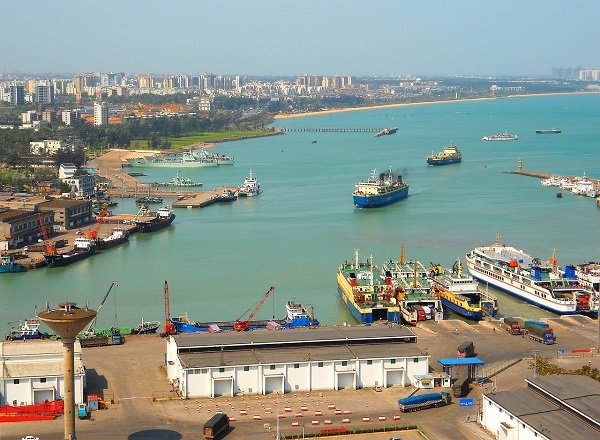
Weakening demand from globally fashion brands due to supply chain chaos, higher manufacturing costs post-Covid and international concerns about inhuman factory working conditions are leading to a major economic slowdown in China. With supply chain risks, many brands across the apparel industry are reviewing their exposure to China and slowly relocating to other low-cost manufacturing countries such as Vietnam, India, Bangladesh, Cambodia and Turkey.
China’s strategies change to keep economy running
Large apparel and footwear brands such as Mango and Dr. Martens have recently cut down or shown their intention to shift manufacturing out of China and reduce their reliance on the country. Relocation has also got stronger due to stricter laws in the US and Europe against alleged use of forced labour in the cotton factories of Xinjiang.
As Toni Ruiz, Chief Executive, Mango explains, they need to be very alert to how things evolve. Mango, in fact, is looking at is the extent to which all the global sourcing, developed over many years, might become more local. The brand is well-known for its mid-range yet high-quality trendy garments. Others like online fashion retailer Asos, are considering pulling out as they feel products manufactured in China were not as competitive as they seemed relative to Europe, once shipping and transport costs were taken into account and the final profit margin figure after sale is not that high.
Meanwhile, China is stepping up trade with Russia. General goods trade between the two countries reached $190 billion last year, up over 30 per cent from 2021, which accounts for 3 per cent of China’s total trade. The two countries are now forging closer economic ties ever since President Vladimir Putin visited Beijing in February 2022, shortly before Moscow invaded Ukraine.
Disruptions in supply chains create havoc
The second round of Covid restrictions and lockdowns in China further led to a jump in freight costs, significant shipping delays this prompted the decision to relocate outsourcing to other countries for many brands. Shipment of a US retail brand’s ski wear, from a previous season, arrived in summer of 2022 while another’s brands summer season of cotton garments arrived in winter.
And as Todd Simms, VP, at supply chain intelligence platform FourKites opine, gone are the days of manufacturing only in China and shipping everywhere. Disruptions have increased costs to deliver finished goods, making it easier to justify operations in new countries in exchange for more resilience.
China’s exports slumped 9.9 per cent in December 2022 as global demand continues to drop and this figure remains uncertain in the first quarter of 2023. However, a shift away from mass textile production to more high-tech premium garment production - both for domestic use and for exports- is now slowly changing the factory scenario in China. Many manufacturers are setting up factories to sell premium environmentally-friendly products that cater to a niche global export market.
Growing importance or Turkey
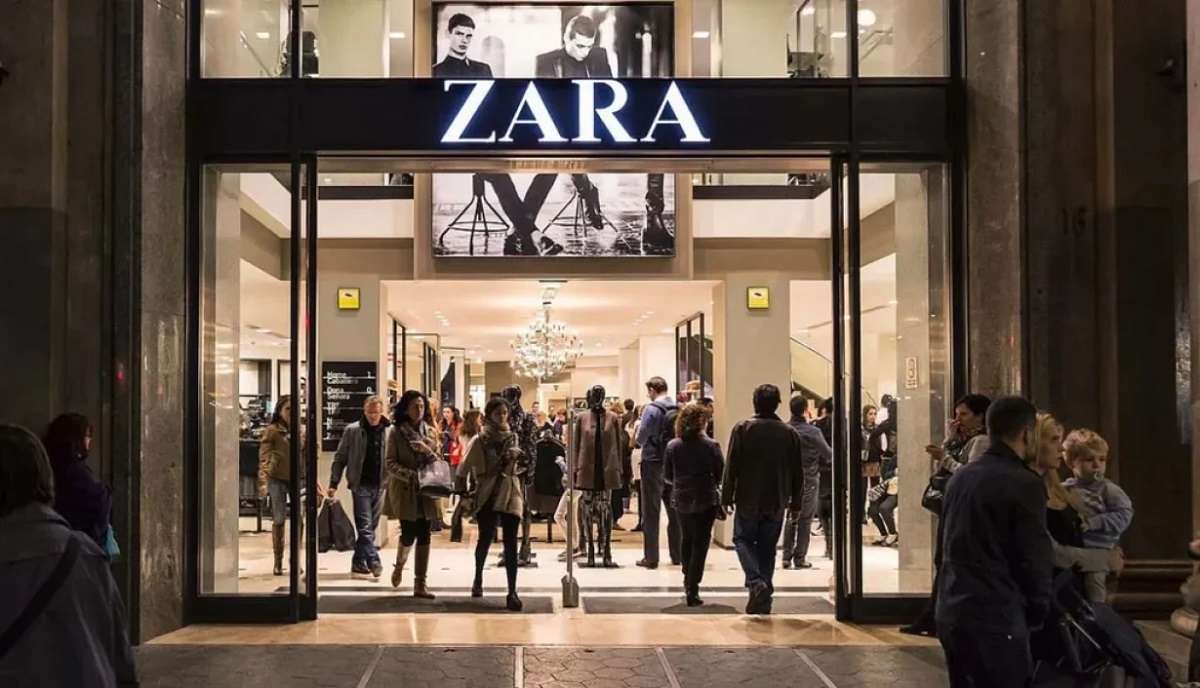
Turkey is currently encouraging western brands to move g production to their country, for a more seamless supply chain as it is part of the EU customs union, allowing frictionless trade between member states. Some premium brands such as Hugo Boss, Adidas, Nike, and Zara are already outsourcing from there. Also helping this move is the current important consideration for retailers is traceability in the supply chain after years of widely reported labour abuses.
However, there isn’t enough money in the international supply chains to smoothen out the relocation process in the current economic crisis and analysts feel things will only worsen in the next few years. In these turbulent times, exports from China will lessen as no country will put all its eggs in one basket but global relocation levels remain to be seen.
US home textiles import continues to decline for second year, Asia-Pacific remains main contributor
In 2022, the US home textiles import market continued its downward trend, with total imports amounting to $22.025 billion. This is the second year in a row that the market has experienced a decline, after reaching a peak of $32.569 billion in 2020, largely due to the COVID-19 pandemic.
The main contributor to US home textiles imports remained the Asia-Pacific region, accounting for 81 per cent of total imports in 2022, with a value of $18.015 billion. North America, the Middle East, Europe, Central & South America, and Africa also contributed to the US import market, albeit to a much lesser extent.
The decline in imports can be attributed to changing consumer preferences and economic concerns. Initially, consumers preferred to purchase garments rather than home textiles as they began to venture out of their homes. In the latter half of 2022, high inflation and unemployment made discretionary purchases such as garments and home textiles less feasible for consumers. This, in turn, led to a decrease in demand and subsequently, imports.
Brands also slowed down their sourcing activities as they faced difficulties in clearing their stock in showrooms. Many even postponed or cancelled purchase orders, leading to a reduction in imports.
Sustainable Apparel Coalition releases Decarbonization Guide to reduce emissions in textile industry
The Sustainable Apparel Coalition (SAC) has launched a Decarbonization Guide for Members to help reduce carbon emissions across the textile and apparel industry. The guide provides a six-step process for organizations to set and commit to science-based targets (SBTs) and develop action plans to deliver individual targets.
The textile industry is responsible for up to 8 per cent of annual global greenhouse gas emissions and must ramp up efforts to deliver the 45 per cent reductions needed by 2030 to limit global warming to 1.5 degrees Celsius. Organizations must obtain internal buy-in to commit to and set SBTs and submit their targets for verification.
SAC member organizations will be required to communicate their targets within six months of approval and develop an action plan, among other steps. The SAC will require corporate members to set near-term emission reduction targets in line with the latest climate science within 24 months and obtain appropriate validation from the Science Based Targets initiative (SBTi) or a third-party accredited organization.