FW
Turkey expands exhibition space at Texworld Paris
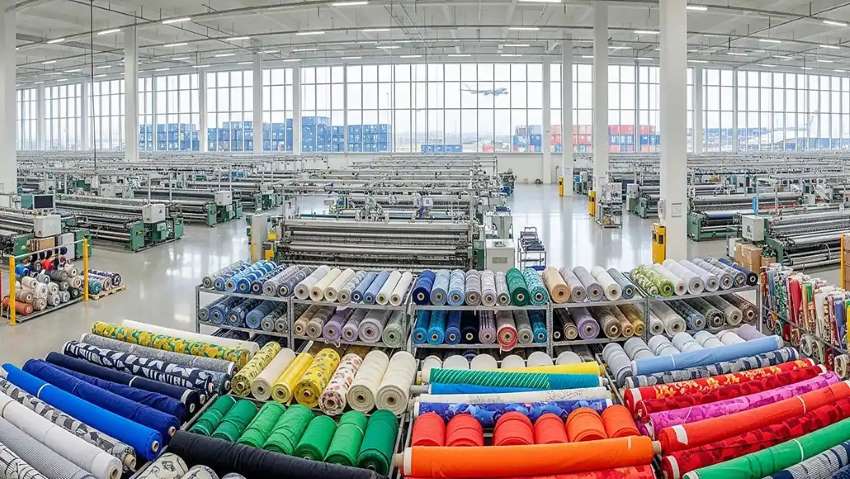
Sharply increasing its offer this year at Texworld Paris, an international trade show for fashion, which takes place from February 11-14, 2019, Turkey will present about a hundred exhibitors, with a selection of finely made knits, cotton, embroidery and lace.
The Turkish offer will spread over more than 2,300 sq, mt. Knitwear specialists will include Gencörme Tekstil, which offers fancy knit fabrics, wool, woolen material, viscose, pes, lurex, linen, cotton, acrylic fibres and jacquard. Also exhibiting will be Isil Tekstil, which will display plain dyed and printed knitted fabrics made of cotton, viscose, Modal, Tencel, linen, polyester, polyamide with or without elastane. Migiboy Tekstil will offer knitting, jersey, weaving, printing, cotton, wool, knitted, prints, linen/hemp, functional fabrics, knit fabrics and yarns. Özen Mensucat will offer all kind of knitted fabrics – fine gauge, silk blends, wool blends, mixed fibres, and more.
Cotton specialists include ATA Kumas Tekstil, offering cotton, cotton EA, cotton mix, knit, prints, wool blends, laminated, coated, jaquard woven and knitted fabrics; and Bordo Tekstil, a BCI and GOTS certified company that offers high-end finished fabrics with special blends: organic cotton, recycled cotton and polyester, cotton blends, jersey, fleece, recycled fibres, viscose, and bamboo. In the embroidery/lace segment, Filetul Tekstil will offer raschel and circular knitting, jacquard pleated fabric and wrap knitting, from all kind of yarns and fancy yarns.
Held twice a year at Paris – Le Bourget, Texworld, with around 1,000 exhibitors, offers professional buyers from all over the world a rich variety of products from basics to creative high-end fabrics of excellent quality.
J.Crew disposing denim waste responsibly
J Crew has a denim recycling program. The brand offers cash toward a new pair of jeans for every pair brought in. Any pair of jeans can be turned in, not just pairs purchased at J Crew.
This denim recycling program allows J Crew to help customers dispose of waste responsibly by giving their jeans a new life in the form of housing insulation and keeping them out of landfills.
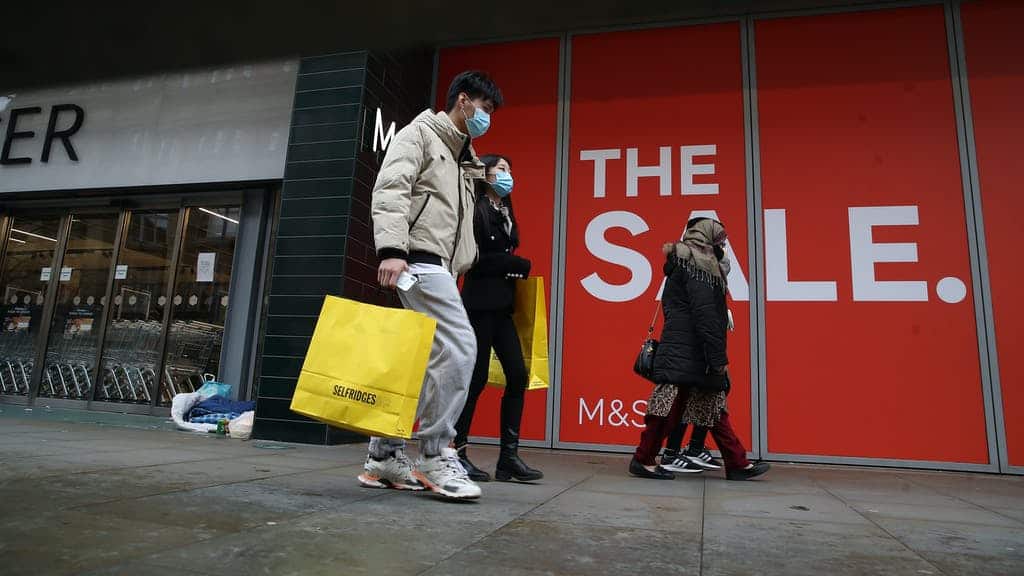
J Crew has a reputation for constant sales and the heavy movement of product, which can be a signal of an overproduction problem. Its denim recycling efforts are in line with a trend running through the fashion industry toward minimizing the amount of waste and excess material introduced into circulation. Fashion consumers have become more aware of the problem of wasted excess clothing. Brands typically struggle with accurately gauging exactly how much product they will need to make, and so they produce far too much of it, much of which goes unsold or is thrown out soon after being worn.
J Crew’s denim recycling program is generous. $20 per pair of jeans, even those not from the brand, is a significant investment in taking some of the excess product that might otherwise end up in a landfill out of circulation and putting it toward a good cause.
British poll demonstrates consumers’ lack of trust in fashion brands
A recent poll in Britian indicated six in 10 people are willing to spend upto 5 per cent more on clothing if garment workers are paid the so-called "fair living wage" that would allow them to cover the basic needs of their families. However, according to an opinion poll by Ipsos MORI, over two-thirds of consumers found it difficult to know if these brands have high ethical standards, while less than a fifth would trust information on sustainability provided by clothing companies.
The poll based on interviews with 7,700 adults across seven nations from Britain and France to the United States - found that consumers considered luxury brands to be no better than budget or high-street retailers when it came to sustainability.
About 6 per cent of respondents associated Italian label Gucci and budget chain Primark with having sustainable supply chains, the poll, commissioned by the Changing Markets Foundation and the Clean Clothes Campaign, stated.
Benetton hires Jean-Charles de Castelbajac as new artistic director
Jean-Charles de Castelbajac is the new artistic director of United Colors of Benetton men’s and women’s collections. A fashion designer, Castelbajac has had a long career that spans design to painting, advertising and street art. He debuted in the fashion world in 1968, when he launched a brand created in collaboration with his mother. He then went on to inspire fashion trends such as the anti-fashion movement and the alternative use of objects to decorate garments.
Born from a mix of punk and pop, his style is characterized by the use of strong colors and pop icons, the mix of old and new and a whimsical and irreverent touch.
United Colors of Benetton and Castelbajac have always had a similar take on fashion, characterized by the passion for knitwear and the love of pop and rainbow colors. Castelbajac and Benetton also share a passion for contaminating fashion with art. In his career, the French designer has befriended and worked with artists such as Andy Warhol, Miguel Barcelo, Keith Haring, Jean Michel Basquiat, M.I.A and Lady Gaga. His creations have been displayed at New York’s Institute of Fashion and Technology, London’s Victoria & Albert Museum and the Galliera Museum in Paris. In 2018 he was guest artistic director at the Paris Biennale.
CFDA offers four resolutions for the fashion world in 2019
The Council of Fashion Designers of America (CFDA) has offered four resolutions for the entire fashion world to aspire for in 2019. The Council, an industry group comprising of more than 500 of the United States’ best designers, releases a new batch of fashion resolutions each January. These resolutions often focus on the major issues of the time, offering a criticism of the industry along with some positive energy to spur forth change.
Last year’s resolutions included ‘Growth, Being, Exposure, Inclusivity and Mindfulness’. The year before, the CFDA suggested Creativity, Health, Philanthropy, Diversity, More Made in the U.S.A and Sustainability as the most important initiatives to follow in 2017. For 2019, CFDA believes that the industry should focus on ‘Diversity and Inclusion, Sustainability, Body Positivity and Equality’.
Coimbatore to host machinery show Texair in August
Texfair will be held in Coimbatore from August 9 to 12, 2019. This is an exhibition of textile machinery, spares and accessories. Participants are manufacturers and suppliers of textile machinery and spares, ginning, spinning, weaving, processing, power looms, handlooms, knitting and garmenting, textile testing equipments, pneumatic equipment and accessories, humidification plants and accessories, lubricants, energy saving equipments, electrical and electronic items, sizing materials, dyes and chemicals, and packaging materials.
The objectives of the fair is to provide a platform for stakeholders to zero in their investments and expenses prudently, showcase their inventions and cost-effective items and other products, enable technocrats and shop floor technicians to update their knowledge on the latest technology and create an awareness of cost cutting, and encourage micro, small and medium entrepreneurs also to showcase their products.
Texfair is organized by the Southern India Mills Association (SIMA), representing the organised textile industry in South India. SIMA has so far successfully conducted 11 such exhibitions since 2001. Response to the fair is getting better every fair. Conducting the event during August 2019 enables suppliers and users to plan their investments and renew their business. Coimbatore is the hub for the textile business in India and the fair would be an ideal platform to showcase and market the products.
Americans want transparency from brands: Study
Four in five Americans believe clothing brands should provide information on their environmental commitments and the measures they are taking to minimize pollution in their supply chain.
Around three quarters of the American public also believe that clothing brands should be responsible for what happens in the manufacturing process, and that they need to take measures to ensure clothes are produced in an environmentally friendly way.
About half would be put off buying from a brand that does not pay workers a fair living wage. The majority of consumers are also willing to pay 2-5 per cent more for their clothing to allow factory workers to earn a fair living wage. These are among the findings of a Ipsos MORI poll, carried out in the United States, France, Germany, Italy, Poland, Spain and the UK.
American consumers want more information on working conditions in fashion supply chains and would be put off buying from brands that are not paying a fair living wage. Most American consumers are sceptical about the credibility of information communicated by brands, with only a quarter of Americans saying they would trust the sustainability information provided by clothing brands themselves. US consumers make up the biggest apparel market worldwide.
GTTES 2019 to discuss trending industry topics, expand customer networking
"New opportunities and prospects for the textile industry will emerge as over 400 exhibitors and 48 countries participate in the 2nd edition of Global Textile Technology & Engineering Show in Mumbai from January 18 to 20, 2019. This year, GTTES has seen 26 per cent growth by attracting about 168 companies. It has mainly attracted start-ups and small, medium companies from non-metros due to its low cost participation charges and focused exhibit chapters."
 New opportunities and prospects for the textile industry will emerge as over 400 exhibitors and 48 countries participate in the 2nd edition of Global Textile Technology & Engineering Show in Mumbai from January 18 to 20, 2019. This year, GTTES has seen 26 per cent growth by attracting about 168 companies. It has mainly attracted start-ups and small, medium companies from non-metros due to its low cost participation charges and focused exhibit chapters. Sri Lanka and Slovenia will participate for the first time, while repeat participation from countries like Belgium, China, France, Germany, Italy, Japan, Spain, Turkey, UK, USA, Taiwan, Algeria, Djibouti, Kuwait, Azerbaijan, Kyrgyzstan, Senegal, etc, is a testimony to global reach of GTTES.
GTTES 2019 will facilitate interaction with all Export Promotion Councils which will help industry know more about export opportunities, various government subsidies, market initiative schemes available for Indian manufacturers and help to gain information and develop new opportunities for exports from India
Increase in exhibitors and visitors
GTTES has over the last six months, conducted 18 promotional activities across India and overseas. This year, visitor registration is much higher than the first edition also the number of countries sending business delegates too increased. Apart from regular business delegates from Bangladesh, Egypt, Sudan, Ghana, Nepal, Tanzania, Uganda, Rwanda, Egypt, Brazil, Morocco etc., there will be first-time delegates from Chile, Abu Dhabi & Palestine. Ministerial delegation from Ethiopia will be available for one to one discussion on investment and incentives offered by Ethiopian government.
India ITME Society addresses trending and urgent topics at GTTES 2019 by holding sessions by Indian Technical Textiles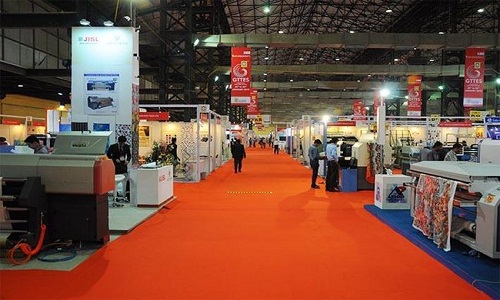 Association Society on ‘International Conference on Nonwoven Technical Textiles’ & by Society of Dyers & Colorists International India on ‘Educating the Technology Innovations in Textile Coloration’.
Facilitating government-industry interaction
There will also be industry interactive sessions on January 18, 2019 to facilitate government/industry interaction with Surina Rajan, IAS, Director General, Bureau of Indian Standards (BIS). This interaction will help the industry to directly represent formulation of policy for standardisation, promoting exports/imports and control proliferation. The main points of discussion include: overview of standardisation work done by BIS in the field of textile machinery and accessories. It will also include issues related to noise emissions and safety aspects of textile machinery and adoption of related ISO standards and inputs required for identified new subjects such as embroidery machines and baby diaper making machines.
An apt platform, GTTES 2019 connects exhibitors with many new markets which have never looked at India as a sourcing opportunity. These new and developing markets shall offer new business opportunities to both Indian and foreign exhibitors to expand their customer networking in an unprecedented way.
Additional US tariffs on China to make production expensive
"While the trade truce between the US and China gave brands and retailers some time to plan their counteractions if President Trump levies tariffs on the remaining goods imported from China, it also extended the uncertainty over the future. Every time a new set of tariffs are announced, soft goods brands and retailers anxiously wait to hear the fate of their products. Though apparel and footwear have been primarily been left thus far, the next round of tariffs are surely likely to include these goods."
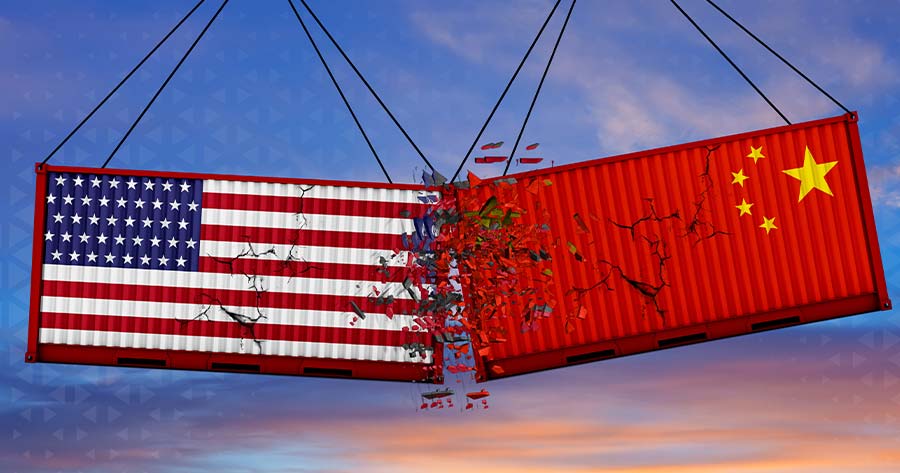
 While the trade truce between the US and China gave brands and retailers some time to plan their counteractions if President Trump levies tariffs on the remaining goods imported from China, it also extended the uncertainty over the future. Every time a new set of tariffs are announced, soft goods brands and retailers anxiously wait to hear the fate of their products. Though apparel and footwear have been primarily been left thus far, the next round of tariffs are surely likely to include these goods.
If these tariffs are indeed levied, the trade war will cost $915 per person in 2019 or $2,357 per household, as per a new ImpactEcon report. It will also result in lower wages and higher joblessness. The trade war, according to the authors of the report, Terrie Walmsley and Peter Minor is likely to benefit all countries, except the US and China.
Search for new options as China’s production drops
Two countries that might benefit the most from trade war are: Vietnam and Cambodia as brands like Vera Bradley might increase production there to reduce exposure to the volatility in China.
Production in China is expected to drop from 57 per cent this year to 25 per cent in 2019. Companies are searching for new  options with Abercrombie & Fitch even prepared to leverage sourcing partners in any of the 17 countries. The mall-based retailer currently imports 25 per cent of its goods from China. It has already reduced production in China from more than 50 per cent to 40 per cent or lower.
Tariffs to increase import costs
Currently, 40 per cent of US apparel and 70 per cent of footwear is imported from China. If the tariffs are implemented, import costs for goods produced in China will increase. This, according to Steve Lamar, Executive Vice President, will result in higher prices for consumers.
Lamar estimates 25 per cent tariff would result in a 15 to 25 per cent increase in retail prices over time, which would cost shoppers $500 for a family of four. Already, brands like Carter’s believe the tariffs would translate into price increases. If these tariffs are implemented, the company plans to shift their operations to Vietnam, Bangladesh and Indonesia.
GIII Apparel Group, which has brands like Calvin Klein, DKNY, Kensie, Tommy Hilfiger and Karl Lagerfeld Paris in its portfolio, is already dealing with price pressure due to tariffs. The pressure has affected its handbags and leather outerwear business, which represents approximately 7 per cent of its total net sales. In response, the group plans to diversify out of China. The company’s partners in China have offered to help the company recoup lost margins. And, some retailers have agreed to share in the increases that we might impose on pricing.
However, Manny Chirico, CEO and Chairman of PVC Corp believes if apparel and footwear tariffs materialise, prices will increase irrespective of where companies shift production.
Piece rate or partial pay, garment workers look for the best option
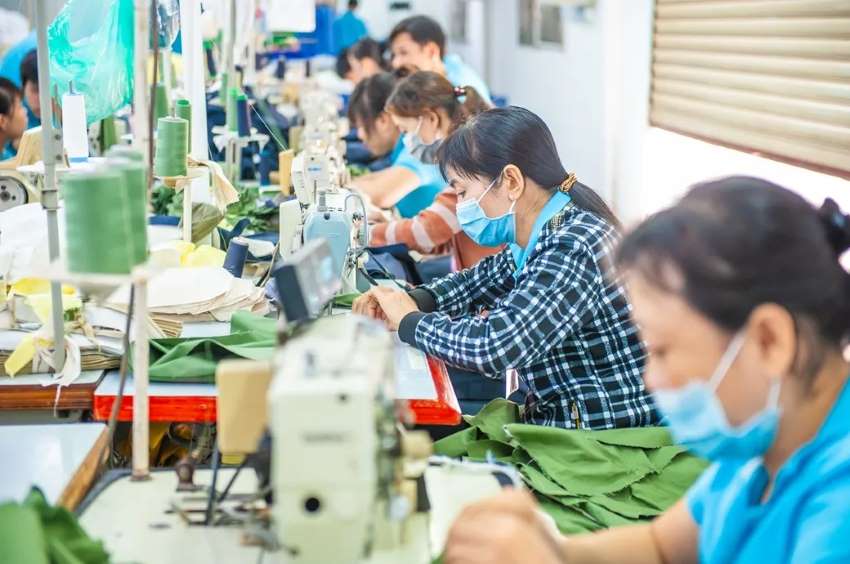
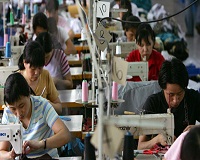
Some factories in Vietnam, Indonesia, Jordan, Haiti and Nicaragua pay workers by piece rate. The piece rate system pays workers according to the number of units they produce. Compared with hourly or salaried workers garment workers who are paid piece rate are more likely to be weighed down by concerns about sexual harassment, verbal abuse and workplace injuries.
There is yet another system called partial pay, a hybrid of hourly and piece rate. Workers typically receive an hourly base salary—usually very low—along with an output-based incentive pay that activates only after a certain threshold has been achieved.
Piece rate workers can earn more on an hourly basis compared with their fixed-rate counterparts because this type of contract induces higher level of effort. However the base salary may be very low and the incentive pay, based on the output, is obtained only if a certain output threshold is reached.
Workers who are on a combination of pay types are concerned by the variability of their wages and a lack of transparency in how their wages are put together. These concerns can lead partial piece rate employees to work much harder, sometimes making their employment more strenuous and impacting their emotional and physical health.