FW
Chinese textile park near Pakistan border alarms the latter
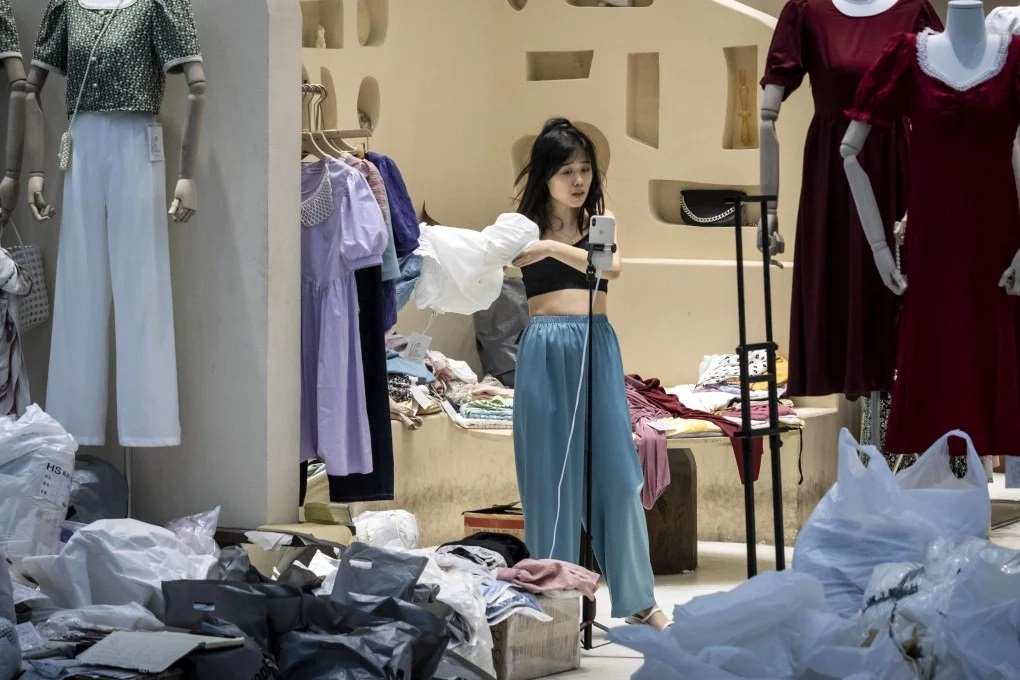
Pakistan is the fourth largest producer and the third largest consumer of cotton. But the country is still a supplier of raw material instead of value added products. The textile sector contributes 60 per cent to overall exports of the country. It contributes nearly one-fourth of industrial value-added, provides employment to about 40 per cent of the industrial labor force, and consumes more than 40 per cent of banking credit to the manufacturing sector and accounts for eight per cent of GDP.
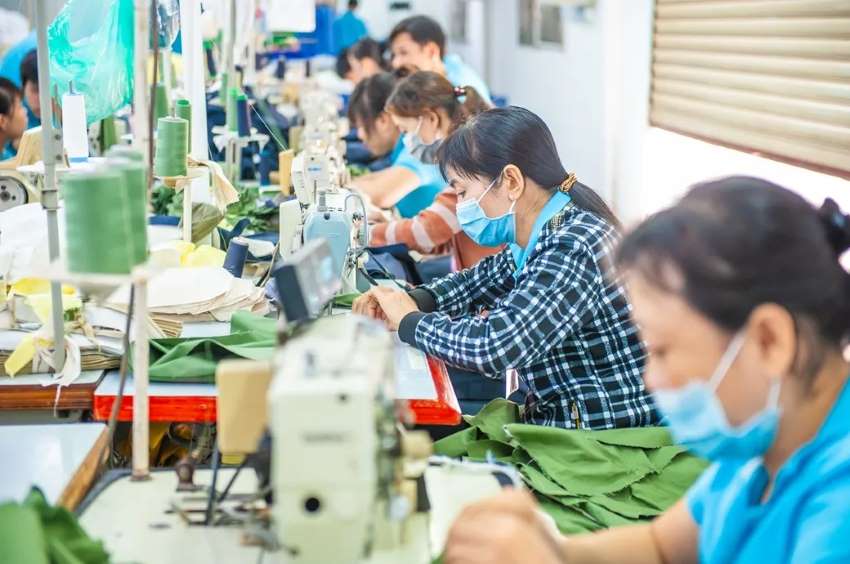
Nearly 35 per cent of textile units in the country have already shut down for various reasons, including higher cost of doing business, becoming uncompetitive in international markets etc. At least 140 textile mills have shut down during the past four years. While machinery in the spinning sector is being sold in scrap. What has added to Pakistan’s fears is that China is building a cotton textile production base in Xinjiang. By 2023, this region will be China’s largest garment export processing base.
This huge investment in a textile park in the bordering region of China is posing a serious threat to Pakistani textile industry. In addition to funding textile industrial parks and clothing factories, Xinjiang will subsidise local cotton and electricity in qualified industrial parks.
Berlin to host Greenshowroom, Ethical Fashion Show in January
Greenshowroom and Ethical Fashion Show Berlin will take place from January 16 to 18, 2018. Two new discussion forums on innovation and sustainability are scheduled to be held during the show. Fashion buyers will be able to view contemporary fashion and casual wear on the ground and first floor, with a focus on environmental aspect of clothing production.
The conferences will be a hotspot for discussions on the future of fashion and sustainability in the textile industry. Ethical Fashion Show is an international fair for sustainable fashion. Here exhibitors show clothing for men, women and children from different areas such as sportswear, street wear and much more. Also, jewelry, shoes, bags and accessories are on display at the fair. In addition to the exhibition conferences and fashion shows take place.
Ethical Fashion Show presents international casual wear and street wear brands-- supplemented by an extensive program with a knowledge lounge, lectures, catwalk show and get- together events. The focus is on fashion and sustainability in the apparel, clothing, lifestyle and fashion industries.
Greenshowroom stands for elegant designs and sustainable high-grade materials. Exclusive ambience, personal atmosphere and that certain extra something distinguish the extraordinary profile of the fair. Visitors can look forward to fashion, beauty and lifestyle products of the highest standard.
GTE highlights the latest and the best
Garment Technology Expo (GTE) was held in Gujarat, August 18 to 20.
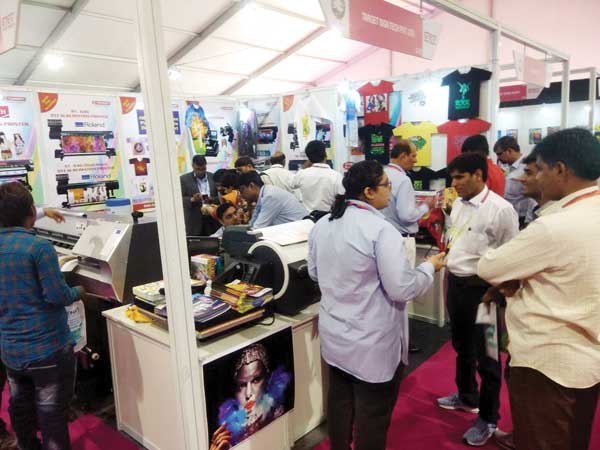
Over 230 participants and brands including leading manufacturers as well as suppliers of garment machinery and accessories from over 18 countries including Germany, Japan, Taiwan, China, Korea, Italy and India participated. The show attracted a total of 7,600 visitors.
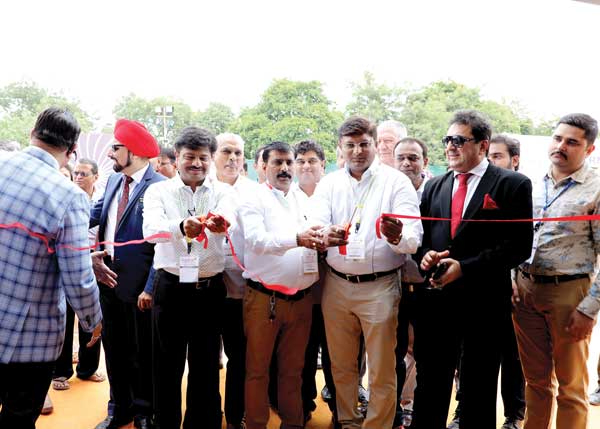
The highlights of the expo were the latest machines of the world’s leading brands in operation and for visitors to see and compare. When looking to upgrade or set up a garmenting unit or add or replace a few machines, one wants to go to the place where all relevant brands are present and all technical know-how as well as working models.
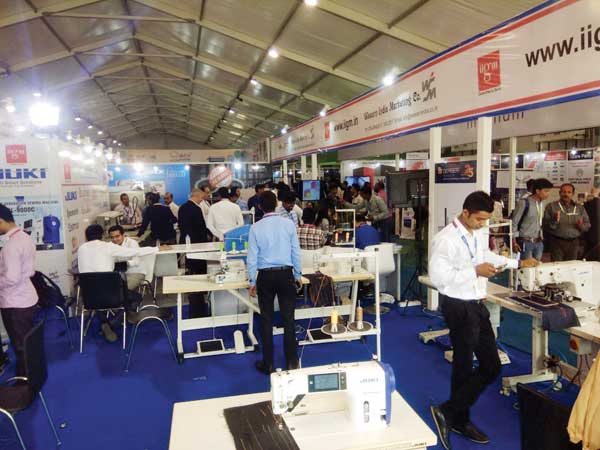
Professional organisation enabled benchmark facilities and services for exhibitors and visitors alike.
The profile of exhibitors participating in GTE Ahmedabad included technology specialists in CAD/CAM, sewing, spreading, fusing, laundry, finishing, cutting, printing, embroidery, testing equipments, knitting, software solutions, spare parts, attachments and accessories and trims as well as those offering support services, trade publications etc.
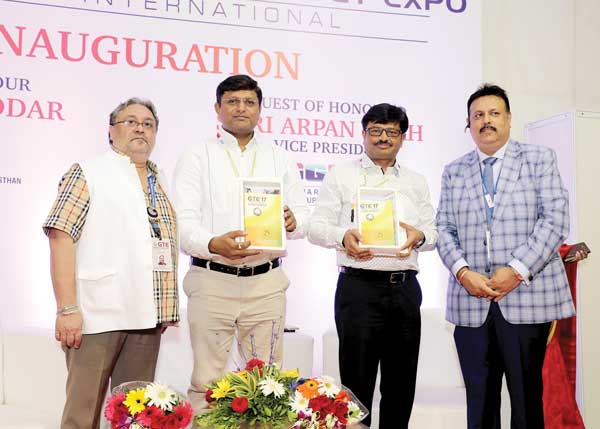
Some of the leading brands at the show were HCA, IIGM, Magnum, Mehala, ALT, E.H.Turel, Tukatech, Ramsons, Colorjet, Jincheng, Dhaval, Pioneer, INL and Paramount.
This edition of the show was abuzz with constant activity featuring new technology machines as well as innovative and new products.
Garment Technology Expo’s next edition is scheduled from January 19 to 22, 2018, at New Delhi.
Prada sales cool off, in China clothing strong shoes, bags struggle
Prada’s sales were are cooling off because of the strong value of euro hitting the purses of tourists visiting Europe and shopping for luxury goods. The Italy-based, Hong Kong-listed luxury house says net profit slumped 18.4 per cent to €115.7 million at the firm that also includes the Miu Miu, Church's and Car Shoe brands. And overall net sales slid 5.7 per cent on a constant exchange rate basis in the six months to the end of July to €1.47 billion ($1.77 billion). It had not been able to generate the kind of growth in other global markets that its rivals have enjoyed. The reason could be that the product just isn’t the must-have it once was.
On a constant exchange rate basis sales in Europe fell by 7.7 per cent, with only its clothing lines bucking the downward trend, which is a problem as margins are higher for bags and shoes.
China was the only area to post growth as it is an important country for the firm. China’s crackdown on corruption and too-conspicuous consumption had hit luxury sales for many brands in recent years. But while Prada’s rivals got back on the recovery trail, the Italian influencer continued to struggle, so any positive news on its China ops is to be welcomed.
It all led CEO to the company investing heavily (over €105 million) in stores and e-tail to improve performance. Whether the company can drive sales of higher margin products sufficiently to boost profits remains to be seen. The firm’s turnaround could take longer than expected after earlier declaring 2017 to be the year when the turnaround would come to fruition.
Primark expects 20 per cent rise in sales this year
Primark’s sales at actual exchange rates are expected to be 20 per cent ahead of last year’s. Primark has performed particularly well in the UK where full-year sales are expected to be 10 per cent ahead of last year on a comparable basis and its share of the total clothing market has increased significantly. Primark is almost unique in not offering its products for sale via e-commerce.
Favorable weather as it moved into the fourth quarter and a strong product offer meant lower markdowns while early trading of the new autumn/winter range has been encouraging.
The store count is being upped in all of Primark’s markets. Last year, the group added 30 new stores and 1.5 million sq ft of space in nine countries. It now has 345 stores with 11 added in the UK; three in each of Spain, France, the Netherlands, Italy and the US; two in Germany and one each in Belgium and Ireland. Its UK flagship store was extended by 40 per cent during the year.
In the next financial year, Primark is planning over 1.2 million sq ft of additional selling space. France, Germany and the UK will see the most space added and overall it will open 19 new stores, together with a number of relocations and extensions.
CPM Moscow attracts buyer interest
Around 22,900 professional buyers from over 50 countries visited CPM Moscow held from August 30 to September 2. This is an increase of 7.42 per cent over previous year. The show also saw the participation of 1,300 brands, an increase of 31 per cent over the previous year, and 700 exhibitors from 27 countries..
Successful elements of the edition included a top buyer lounge, a fashion show and a fashion contest. A particular visitor magnet, especially for international brands and their representatives, was the CPM Fashion Night with celebrity representatives from Russian TV, Eastern European social media stars, influencers, the media and VIPs.
With segments like lingerie and swimwear, CPM has been an exciting pulsating platform for European, Far Eastern and Russian exhibitors for almost 15 years now. It is a firm foundation for successful business and sustainable brand launches. Country pavilions of Germany, Italy, Spain, France and Turkey offered exhibitors interesting opportunities.
Established, professional and topical industry forums also contributed to the increasing numbers. Professional buyers enjoyed substantiated, trendsetting presentations, forums and panels of an international standard as part of the high-profile Russia Fashion Retail Forum. The forum informed about developments regarding clothing exports to Russia and gave insights into the current situation of the Russian clothing market.
SIMA elects P Nataraj its new chairman
P Nataraj has been elected the new chairman of SIMA (Southern India Mills’ Association). Nataraj is the managing director of KPR Mill. A science graduate and fellow member of the Institute of Chartered Accountants of India, he is a member of Committee of Confederation of Indian Textile Industry and also VP-Indian Cotton Federation. He is a managing trustee in the KPR Institute of Engineering and Technology that extends quality education. He is involved in the functioning of the KPR IAS Academy that provides free coaching to aspirants of competitive examinations.
K Vinayakam has been chosen deputy chairman. He is managing director of Chennai Silks. Vinayakam is a philanthropist and a recipient of awards and accolades.
The new vice chairman of SIMA is Ashwin Chandran, who is chairman and managing director of the Coimbatore-based Precot Meridien Group, which has textile units in Tamil Nadu, Kerala, Andhra Pradesh and Karnataka. A graduate in textile technology, he is a member of Cotton Textiles Export Promotion Council, Mumbai, and Confederation of Indian Textile Industry, New Delhi.
SIMA was set up in 1933 and has a strong data base, it advises members on all functional areas of the textile industry, from designing a textile project to marketing.
ZDHC partners Oeko-Tex on sustainability and safe chemicals usage
Since 1992, Oeko-Tex has worked to provide safer products by eliminating hazardous substances from the global textile supply chain. The Zero Discharge of Hazardous Chemicals’ Manufacturing Restricted Substances List covers chemical substances that are limited or banned from intentional use in the production of apparel and footwear materials and trim. Controlling or excluding the use of these substances supports the ZDHC’s mission of removing hazardous chemicals from the apparel and footwear value chain so that they do not harm workers, consumers, or the environment.
In January of this year, Oeko-Tex announced a partnership with ZDHC to collaborate with other leading brands and apparel and footwear sustainability advocates.
Eco Passport by Oeko-Tex certification program provides a confidential mechanism for chemical suppliers to confirm that their chemical products are safer to use in manufacturing. Now chemical formulations that are Eco Passport by Oeko-Tex certified are recognized as conforming with ZDHC MRSL.
Oeko-Tex helps chemical suppliers verify their formulations while safeguarding their intellectual property. The Eco Passport program serves as a trusted third party system to review formulations. Industry, consumers, governments, and NGOs are asking for safer chemistries to be used in supply chains.
Chemical formulations are checked against the comprehensive Oeko-Tex list of substances of concern and then verified by laboratory evaluation to ensure that they do not contain unsafe contaminants.
Smart clothing market gets bigger
The growing adoption of smart products by professional athletes to optimize performance level and prevent potential injuries is anticipated to drive smart clothing market across the globe. Sports associations are heavily spending on these products to eliminate the possibility of injuries.
Rising awareness associated with fitness coupled with the demand for monitoring body activities such as blood pressure and heart rate is expected to catapult the smart clothing market demand.
The launch of products with advanced specifications such as tracking muscle activity offers lucrative opportunities. Moreover, other features include reduction and prevention of sports injuries resulting from improper warm up and exertion. Increasing adoption for sensor-enabled products eliminates the use of smart wearables for specific functionality.
Smart jackets can control the mobile device of the user followed by features such as one tap answering and rejecting calls and connect to music and camera services. The smart T-shirt segment is predicted to grow significantly owing to the data offered by these products such as perspiration rate, heart rate and muscle engagement which are analyzed for increasing the efficiency of the wearer. High adoption of smart uniforms in military and defense applications is expected to drive industry growth.
CENTRESTAGE: Young Fashion Designers’ Contest celebrates budding talent

As one of the main highlights of CENTRESTAGE, the Hong Kong Young Fashion Designers’ Contest 2017 awards ceremony celebrated young talent on September 9. During the event, Arto Wong was named Champion and winner of the ‘New Talent Award’. She received a cash prize and a study trip aboard, including a visit to the Japanese design GVGV studio, sponsored by Sun Hing Knitting Factory. Wong will also receive mentorship from Joyce Boutique, to develop a capsule collection that will be sold at select shops under Joyce Boutique. The winners of the Hong Kong Young Fashion Designers’ Contest 2017 are champion and new talent award: Arto Wong for ‘Zero to Unlimited’; first runner-up: Sonic Lam for ‘Barren Land’; second runner-up: Wilson Choi for ‘The Stolen Soul’; and best Footwear Design Award went to Jason Lee for ‘Kingdom of the Underground’.
Innovative young minds at work
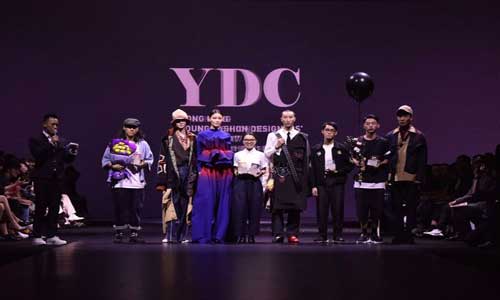
Inspired by immense possibilities of transforming molecules to matter, Wong’s designs sought to play with weight and proportion. Crafted from polyester yarn, the designs achieved volume, while remaining incredibly light. The collection serves as a story of aspiration and empowerment to never underestimate the energy released by combining small molecules. The overall YDC champion and winner of the New Talent Award says it was a challenge finding time to finish the outfits being a full-time designer. Apart from time-management challenges, she encountered difficulties in trying to create volume, weight and the bounce effect for the ruffles in her knitwear collection, eventually succeeding after trying numerous techniques. The experience has inspired her to continue exploring the infinite possibilities of knitwear.
Sonic Lam, the first runner-up of YDC, points out YDC is a competition that every Hong Kong fashion design student aspires to take part, and was delighted to have won the award on his first try. He said he would eventually like to start his own brand after the study trip, adding that he was ready for the challenge of the endeavour. Fascinated by how Hong Kong has evolved from a barren rock to an international hub, he strives through his designs to preserve the best from the city’s past and make them relevant for this generation. Watered gauze, a wispy, silky fabric from the olden days, was extensively used in this collection. Its deliberately washed-out texture lent itself to a distinctive vintage feel. By fusing together old and new, the collection breathes new life into old traditions.
Collegiate apparel with a rebellious undertone defines Wilson Choi’s collection. The 50s Swedish movie Ondskan compelled him to examine the subversive bullying culture plaguing schools and society. Navy blue, a colour broadly associated with school uniform, was chosen as the primary colour that ties together his collection. Furthermore, maroon brushstroke stripes introduce a sense of defiance, resembling graffiti-like street art. The sportswear-inspired pieces incorporate bonding and seamless techniques on wool; affixing a number of pockets to enhance the designs’ practicality and functionality.
International panel of judges
YDC 2017 had invited Mug, founder and designer of popular Japanese fashion brand GVGV to be the VIP judge. Mug appreciated the overall performance of YDC designers and said each contestant should strive to express their own style through designs that are true to themselves. Praising the winning knit collection, she said it showcased originality, personal style and market value, noting that Arto Wong will go on to have a flourishing design career.
Mug joined other senior industry and media representatives that comprised the judging panel. Lawrence Leung, Chairman of the HKTDC Garment Advisory Committee was chief judge, alongside fellow judges: Tasha Liu, Brand Director and Co-founder of C.DONGLIANG and LABELHOOD; Michael Mok, General Merchandising Manager of Joyce Boutique (Hong Kong); Marcella Wong, Chief Editor of Marie Claire; among others. The best work was selected based on creativity and originality, market potential, workmanship, use of fabrics and overall visual appeal.
The inception
Organised by the Hong Kong Trade Development Council (HKTDC), YDC has been nurturing and identifying emerging talents in the local fashion industry for nearly four decades. To promote Hong Kong fashion designers to the world, the HKTDC launched the fashionally.com online platform in early 2012 to provide a one-of-a-kind networking and exchange platform for global fashion experts to connect, inspire and share information.