The cellulose fiber market is forecast to grow at a CAGR of nine per cent over the period 2016-24. Abundance of raw materials, environmental benefits of cellulose fibers, and cost effectiveness will boost global cellulose fiber market demand in clothing and apparels over other alternatives such as polyester and nylon. Major shift in fashion trends, a growing demand for improved textile quality, and elevated consumerism are pushing the cellulose fiber market.
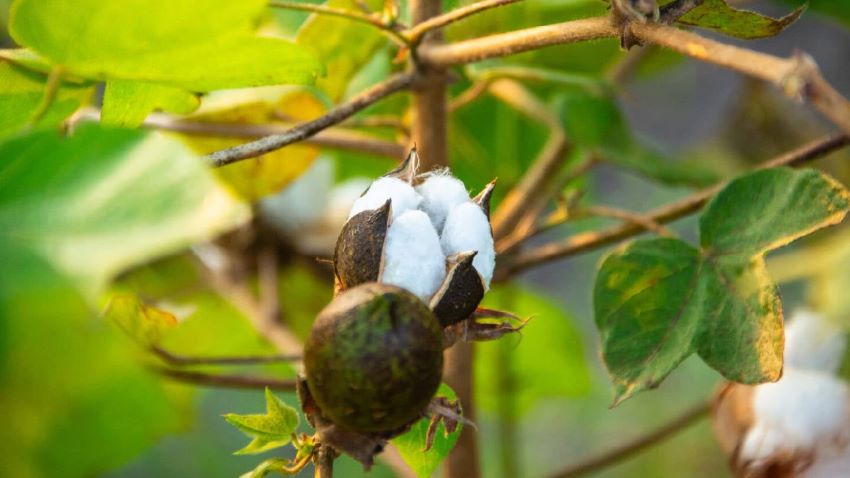
Improvement in living standards of emerging nations such as China, India, Brazil is influencing manufacturers to widen the cellulose fiber industry base in these regions. Cellulose fiber is mainly extracted from rich plants such as cotton, bamboo, jute and hemp by dissolving pulp. Asia Pacific, led by India and China, is the production hub of these plants and this region will reinforce market demand.
China and India are predicted to have a defining impact on the cellulose fiber industry, driven by the large apparel and textile industry base across these regions. Cellulose fiber market applications include clothing, spun yarn, and fabrics. Spun yarn is a prominent application, having accounted for a revenue of two billion dollars in 2015, and is projected to show substantial growth owing to its growing demand in embroidery and weaving applications. Artificially extracted cellulose fibers are widely used in the apparel and textile industry.
- 1
- 2
- 3
- 4
- 5
- 6
- 7
- 8
- 9
- 10
The Closet Paradox: How ‘nothing to wear’ is driving global overconsumption
In an era of overflowing wardrobes and instant fashion gratification, a striking paradox has emerged: the more clothes we own,... Read more
US trade rulings and labor slowdown reshape 2026 cotton supply chains
The global cotton industry is entering a period of adjustment, shaped by legal rulings, trade policy recalibrations, and a softening... Read more
Zero-tariff paradigm drives strategic re-sourcing at Global Sourcing Expo 2026
Projected to reach a valuation of $30.3 billion this year, the Australian textile and apparel market is entering a period... Read more
Strategic manufacturing takes center stage at Gartex Texprocess Mumbai 2026
A $179 billion industrial cornerstone contributing 2 per cent to the national GDP, the Indian textile and apparel sector is... Read more
The Hidden Tax on Fashion: 2026’s EPR rules squeeze margins and shake supply cha…
As the 2026 enforcement deadlines for California’s SB 707 and the European Union’s harmonized Waste Framework Directive loom, the global... Read more
Guess? Inc. retreats from China as American cool hits a cultural wall
For more than two decades, Guess? Inc., the emblem of ‘accessible American cool’, maintained an ambitious footprint in China. At... Read more
The Hormuz Effect: Why a distant war is shaking Bangladesh’s garment exports
The immediate impact of the Iran- Isarel-US conflict is being felt in the logistics arteries that connect Bangladesh’s factories with... Read more
The rise of localized luxury, MEA, North America, and India lead growth
The global luxury industry is no longer defined by relentless expansion. The ‘2025 Global Luxury Brandwatch Report’ highlights a sector... Read more
Hormuz blockade sends shockwaves through India’s textile chain as polyester cost…
What began as a geopolitical escalation in the Gulf has rapidly metastasized into a full-scale industrial disruption for India’s textile... Read more
India’s National Fibre Scheme decouples textiles from global supply risks
For decades the Indian dominated spinning, weaving, and garment exports while remaining paradoxically dependent on imported man-made fibres and specialty... Read more