The structural realignment of global apparel sourcing has positioned Egypt as a primary beneficiary in early 2026, with the nation’s garment exports projected to hit a record $4.4 billion this year. This 22 per cent Y-o-Y growth is anchored by a massive influx of foreign direct investment, particularly from Chinese and Turkish textile majors seeking to bypass escalating trade tariffs. By leveraging its strategic proximity to European and North American consumer markets, Egypt is transforming from a regional player into a vertically integrated global hub, effectively capitalizing on the ‘China Plus One’ diversification strategy.
Scaling through integrated industrial cities
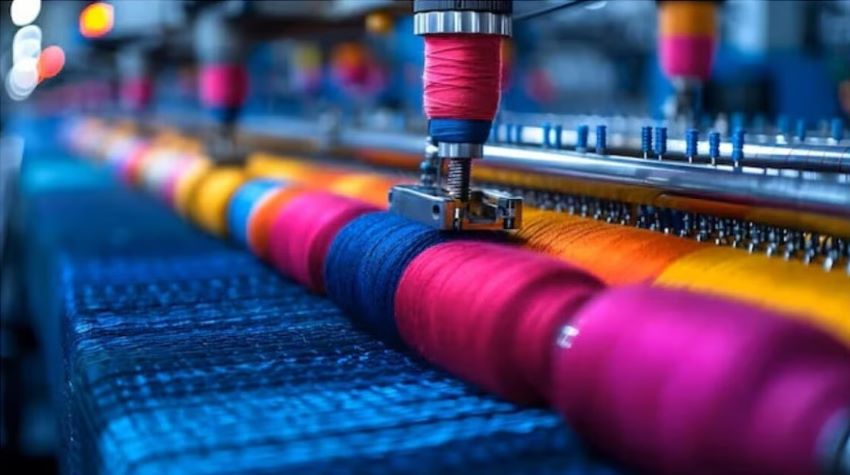
A defining shift in 2026 is the transition from fragmented manufacturing to ‘mega-complex’ industrialization. The Suez Canal Economic Zone (SCZONE) has become the epicenter of this evolution, securing over $1.35 billion in investments across 51 projects in the Qantara West zone alone. Major initiatives, such as the $130 million Everfar Textile complex and Zhejiang Jasan’s Integrated Apparel City, are localizing the entire value chain - from spinning and weaving to dyeing and finishing. This vertical integration is critical for reducing Egypt’s $2.5 billion annual raw material import bill and slashing lead times to under 14 days for European retailers.
Tariff advantages and regulatory resilience
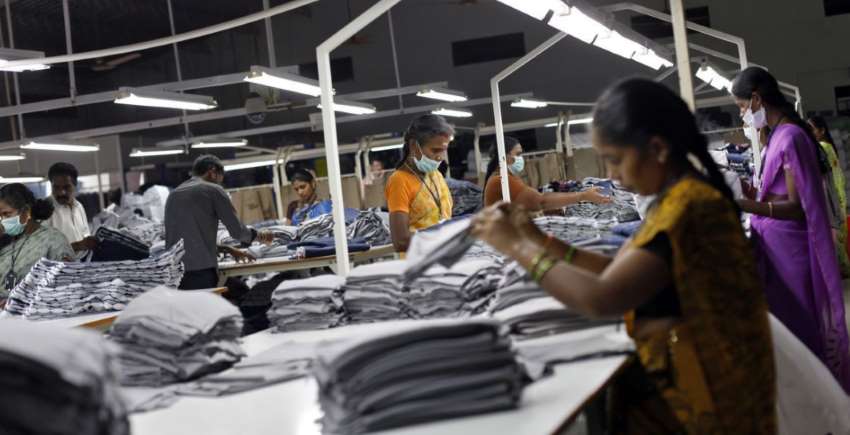
Egypt’s competitive edge is sharpened by its robust web of trade agreements, including the Qualified Industrial Zones (QIZ) program, which grants duty-free access to the US market. Amidst shifting global trade policies, Egyptian garments currently enjoy a significant tariff advantage, often facing rates 10–20 per cent lower than those imposed on traditional Asian manufacturing centers. To sustain this momentum, local mills are adopting blockchain-backed traceability for premium Giza cotton to comply with the EU’s 2026 Digital Product Passport (DPP) mandates. Egypt offers a compelling platform for export-focused production, noted a lead executive during a recent Hong Kong business mission to Cairo. As the sector aims for a $11.5 billion export target by 2030, the focus remains on professionalizing the workforce and expanding renewable energy adoption to mitigate rising operational costs.
The Egyptian textile industry specializes in vertically integrated apparel production, utilizing world-renowned Giza cotton and synthetic blends. With exports reaching $3.3 billion in 2025, the sector aims to quadruple revenues by 2030. Key growth plans center on the SCZONE mega-parks and 5G-enabled smart manufacturing. Historically a state-led industry, it is now driven by Turkish and Chinese joint ventures.