As Milan welcomes the Primavera 2026 fashion calendar, the spotlight is fixed not just on the runway but on Gucci, which has ignited a heated debate over the future of luxury marketing. The Italian heritage house, passing a transition under new Creative Director Demna Gvasalia, launched a promotional campaign entirely generated through artificial intelligence. While the brand positioned the initiative as a bold, tech-forward reset, reactions from high-spending clientele have been sharply divided, revealing the delicate balance between innovation and tradition in the luxury ecosystem.
Synthetic glamour and the risk to craft credibility
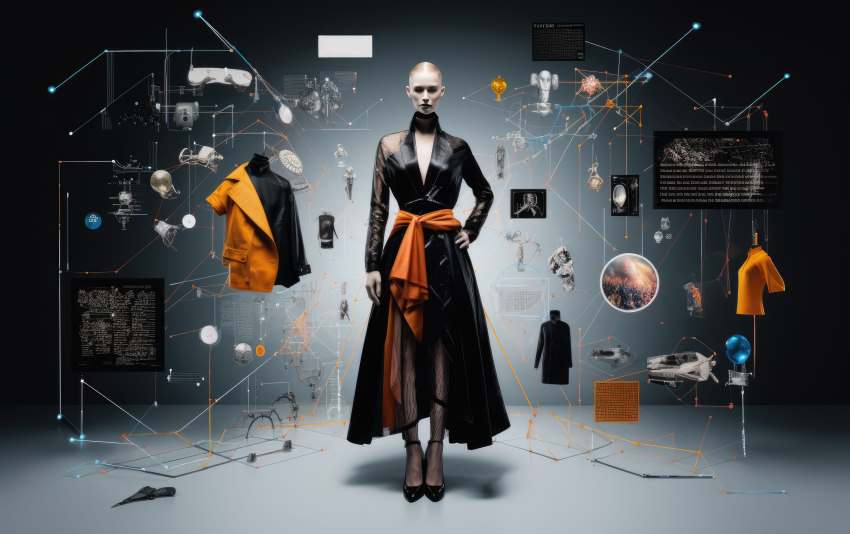
The visuals at the heart of the controversy are unmistakably stylized: an older model draped in vintage fur, neon-infused backdrops reminiscent of video game worlds, and surreal compositions that signal a clear departure from conventional fashion photography. Each image carried a disclaimer acknowledging its AI origin, but for many, the novelty did little to soften skepticism.
Luxury consumers, historically drawn to the narrative of human craftsmanship, view the move as a challenge to the very mythos of the sector. Priscilla Chan, senior lecturer at Manchester Metropolitan University’s Fashion Institute, explains: “Luxury is built on the myth of the ‘human hand’ when a heritage label replaces that ecosystem with algorithms the symbolic value of the product risks being commodified. The challenge for Gucci is whether this is perceived as innovation or a cost-cutting measure masquerading as ‘edgy’ marketing.” Social media reaction mirrored this tension. Terms like uncanny valley and AI slop proliferated across platforms, reflecting a broader uncertainty among the affluent buyers who define the brand’s market.
The 70 per cent production efficiency proposition
Beyond aesthetics and symbolism, the campaign is informed by a clear commercial rationale. Internal industry data suggests that AI-generated imagery can reduce production costs by up to 70 per cent for e-commerce campaigns and approximately 50 per cent for traditional marketing initiatives. For Gucci, recovering from a 22 per cent revenue downturn in 2025, the allure of efficiency is significant but not without measurable risk. Recent consumer sentiment reports indicate that over 60 per cent of luxury buyers consider AI-exclusive creative output as less valuable than human-generated work.
Table: Comparative campaign logistics (estimated)
|
Metric |
Traditional photoshoot |
Generative AI campaign |
|
Lead Time |
4–8 Weeks |
48–72 Hours |
|
Direct Costs |
$250k – $1M+ |
$5k – $50k |
|
Human Talent |
20–50+ Personnel |
2–5 Personnel |
|
Consumer Sentiment |
High Trust / Aspiration |
Polarized / Skeptical |
The table underscores the trade-off. AI campaigns shorten lead times and reduce costs, but they come with reputational volatility. For Gucci, efficiency gains may be overshadowed by the challenge of maintaining trust among its core clientele. Demna’s digital provocation
This tension coincides with an important moment for Kering, Gucci’s parent company. Following a difficult 2025 fiscal year, during which Gucci’s revenue fell to €6 billion, the group is betting on Demna’s unconventional vision to restore momentum. Analysts interpret the AI campaign as a calculated provocation, a technique familiar from Demna’s tenure at Balenciaga aimed at dominating the digital conversation ahead of his first Milan runway presentation this Friday.
Gucci’s choice of a vibrant, video-game-adjacent aesthetic is particularly targeted at digital-native consumers. By referencing Grand Theft Auto-like visual motifs, the brand seeks to capitalize on the projected $300 billion global fashion tech market in 2026, signaling an effort to blend physical luxury with digital culture. Yet the uncanny quality of the visuals highlights AI’s current limitations: while algorithms can emulate objects and settings, they often struggle to reproduce the nuanced emotional resonance and tactile depth that define premium photography.
Redefining the luxury atelier
Gucci is not alone in exploring AI’s potential. Peers including Valentino and Hugo Boss have leveraged AI to enhance traditional photoshoots or create supplementary digital content. However, Gucci’s decision to lead with a fully synthetic campaign for a major Milan launch marks a pronounced departure from conventional strategy. The industry is closely watching whether this approach alienates established luxury consumers or successfully engages a younger demographic attuned to the intersection of fashion and digital experience.
Recovery through reinvention
Despite a 19 per cent decline in comparable sales, Gucci remains the crown jewel of Kering’s portfolio, specializing in high-margin leather goods and ready-to-wear. Founded in 1921, the brand continues to prioritize desirability over wholesale volume. The current strategy is a multi-pronged turnaround plan: margin recovery, creative modernization, and digital engagement aimed at reclaiming Gucci’s position as the preeminent global fashion authority by 2027.
In the end, Gucci’s AI initiative exemplifies the high-stakes balancing act in luxury: the promise of efficiency and digital relevance versus the enduring value of craftsmanship and heritage. Whether the campaign is remembered as visionary or controversial will depend on the market’s willingness to reconcile these competing forces an experiment that may define the next era of high fashion.